

It’s a week until Election Day and the political rhetoric and advertising are running at a deafening volume and staggering velocity. This last part is making it hard for brands to be heard during the critical holiday shopping season. This is especially true in swing states where CPM has risen significantly.
This year, many national brands anticipated this and diverted some of their budgets away from competitive swing states, according to CTV and programmatic adtech company Keynes Digital. Regional brands in swing states also got some relief, as political advertisers maxed out linear TV, but left some CTV inventory for brands.
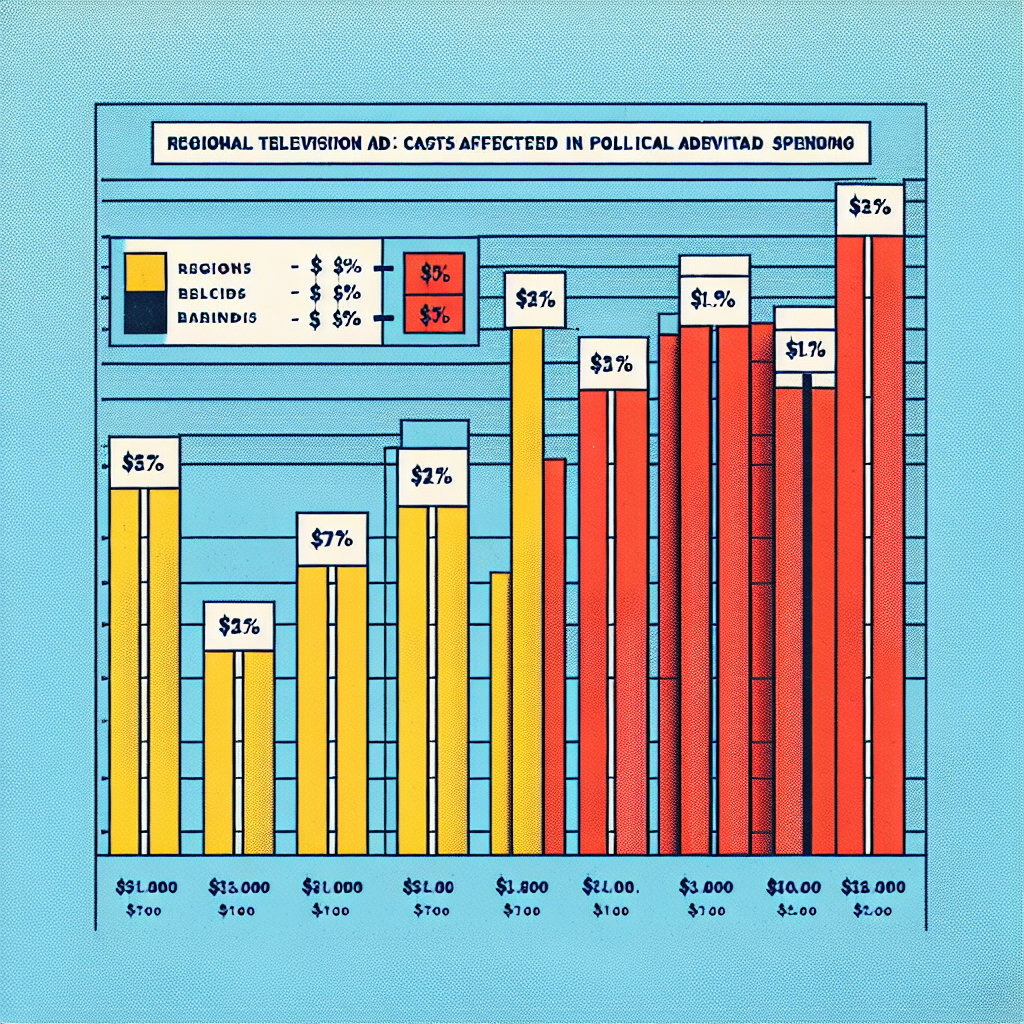
Politics drive up CPMs. No surprise that CTV cost-per-mille (CPM) went up in swing states like Georgia, Pennsylvania and Arizona. How much? CPMs rose 8% year-over-year for this election season.
In non-swing states, CPMs decreased 2.5% over last year.
The lower CPMs in non-swing states attract more spending by national advertisers. The reddest and bluest states get fewer political ads and consequently more brand advertising.
“Brands that only have a presence in swing states or focus on growing in those states will feel limited volumes and price increases,” said Dan Larkman, CEO and founder of Keynes Digital. “For brands focused nationwide, ad spending has shifted (slightly) to geography that tends to have higher conversion rates and are not feeling the impact of the elections.”
Non-swing states received 2.2x more CTV spend than in swing states this year. In 2023, non-swing states saw 1.7x more versus swing states.
Swing-state CTV availability. It could be worse. Sure, CPMs are higher in swing states, but inventory is far from getting maxed out, Larkman said. Political campaigns put much of their budgets into linear TV, saturating that channel. Plus, less advertising by national competitors is an opportunity for regional swing-state brands that must advertise in these states.
“Linear TV networks are selling out and pushing these budgets to digital channels. That said, the 10.5% difference in CPM is much lower than we would have expected,” said Larkman.
He added: “This is a polarizing election season, and donations are sky-high. Only a slight increase in CPM tells me there is still a lot of unfilled ad space and a lot of opportunity for brands to capitalize now and/or after the elections.”
Why we care. This year, digital video (including CTV) was projected to surpass linear TV spend for the first time. Major streamers like Netflix and Disney+ now have sizable ad-supported subscription tiers allowing advertisers to reach premium content viewers. So, when major events like elections occur, marketers should take stock of which customers are affected and adjust spending in emerging channels like CTV.
Dig deeper: 2024 elections playbook works for brands too
The post Political ad spending shifts regional CTV costs for brands appeared first on MarTech.
**Regional CTV Advertising Costs for Brands Impacted by Shifts in Political Ad Spending**
In recent years, Connected TV (CTV) advertising has emerged as a powerful tool for brands seeking to engage with audiences in a more targeted and measurable way. With the rise of streaming platforms and the decline of traditional linear TV viewership, CTV offers advertisers the ability to reach specific demographics with precision. However, one significant factor that can influence CTV advertising costs, particularly on a regional level, is political ad spending. As political campaigns increasingly turn to CTV to reach voters, brands may find themselves competing for ad inventory, leading to fluctuating costs. This article explores how regional CTV advertising costs are impacted by shifts in political ad spending and what brands can do to navigate these changes.
### The Rise of CTV in Political Campaigns
Political campaigns have traditionally relied on linear TV, radio, and direct mail to reach voters. However, with the growing popularity of streaming services like Hulu, Roku, and YouTube TV, campaigns are increasingly shifting their ad dollars to CTV. According to a report by *AdImpact*, political ad spending on CTV is expected to exceed $1.5 billion in the 2024 election cycle, a significant increase from previous years. This shift is driven by the ability of CTV platforms to offer more granular targeting, allowing campaigns to reach specific voter segments based on geography, demographics, and even behavioral data.
For regional political campaigns, CTV is particularly attractive because it allows them to focus their messaging on key battleground areas without the waste associated with traditional TV buys. This hyper-local targeting is especially valuable in swing states or districts where a few thousand votes can make a significant difference in the outcome of an election.
### How Political Ad Spending Affects Regional CTV Costs
Political ad spending can have a profound impact on the cost of CTV advertising for non-political brands, especially in regions where political campaigns are highly active. There are several ways in which this dynamic plays out:
1. **Increased Demand for Ad Inventory**: During election cycles, political campaigns flood the market with ad dollars, driving up demand for CTV inventory. This increased demand can lead to higher CPMs (cost per thousand impressions) for all advertisers, as platforms prioritize political ads due to their high budgets and time-sensitive nature. Brands that are not prepared for this surge in demand may find themselves priced out of certain ad slots or forced to pay significantly higher rates.
2. **Limited Availability of Prime Ad Slots**: Political campaigns often target prime ad slots, such as those during peak viewing hours or around popular shows and events. This can limit the availability of premium inventory for brands, forcing them to either pay a premium to secure these slots or settle for less desirable placements. For regional brands with smaller budgets, this can be particularly challenging, as they may not have the resources to compete with well-funded political campaigns.
3. **Geographic Variability**: The impact of political ad spending on CTV costs is not uniform across all regions. In battleground states or districts with closely contested races, the competition for ad inventory can be fierce, leading to significant price increases. In contrast, regions with little political activity may see relatively stable CTV costs. For brands with a national presence, this geographic variability can make it difficult to plan and allocate budgets effectively.
4. **Ad Fatigue and Viewer Saturation**: Another indirect consequence of political ad spending is ad fatigue. During election cycles, viewers are often bombarded with political ads, which can lead to a decline in engagement with other types of advertising. Brands may need to invest more in creative strategies to capture viewers’ attention in a crowded and politically charged ad environment.
### Strategies for Brands to Navigate Political Ad Spending Shifts
While political ad spending can create challenges for brands, there are several strategies that advertisers can employ to mitigate the impact and optimize their CTV campaigns:
1. **Plan Ahead**: Brands that anticipate political ad spending surges can plan their campaigns well in advance to secure inventory before prices rise. By booking ad slots early, brands can lock in lower rates and avoid the last-minute scramble for inventory that often occurs during election cycles.
2. **Diversify Ad Platforms**: Instead of relying solely on one CTV platform, brands can diversify their ad spend across multiple platforms and channels. This can help mitigate the impact of political ad spending on any single platform and provide more flexibility in terms of targeting and pricing. For example, if Hulu is experiencing a surge in political ads, brands can shift some of their budget to Roku or YouTube TV to avoid inflated costs.
3. **Leverage Non-Prime Time Slots**: While political campaigns often target prime time slots, there are opportunities for brands to reach audiences during non-peak hours at a lower cost. By analyzing viewership data and identifying times when their target audience is still active but political ads are less prevalent, brands can achieve cost savings without

Recent Comments