
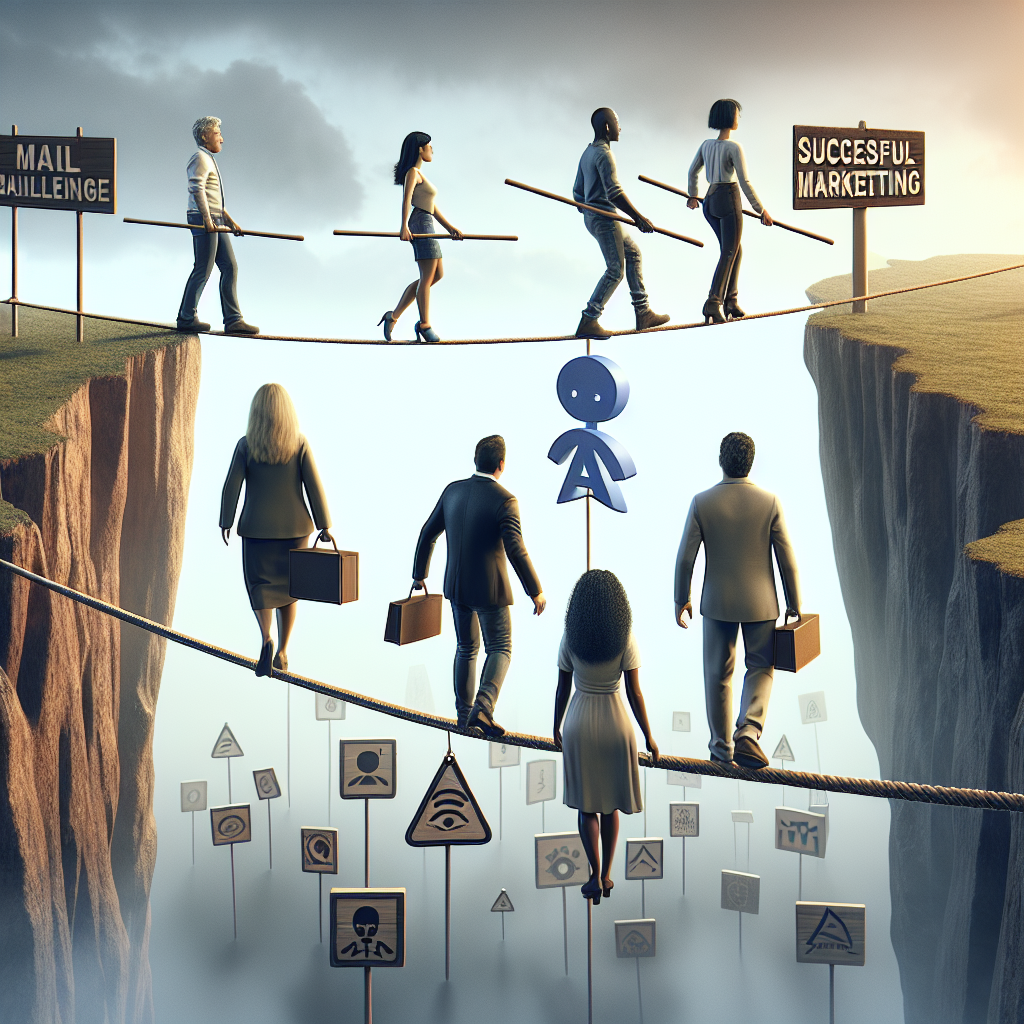

AI tools are transforming how marketers research, write and make decisions. But this growing reliance on automation could come with serious risks. As powerful as AI can be, its dominance may undermine critical thinking and strategic skills.
The rise of AI in search and marketing
An interesting piece of research was released in late December but may have been lost in the busy holiday season. Previsible, an SEO consultancy, announced that traditional Google search has “basically plateaued and has begun to have its search dominance degraded.” Why? People are using AI-assisted search because it has become more capable and accessible.
ChatGPT, Claude, Co-pilot and even Google offer an AI search version available to most users. Compared to traditional search, which relies mostly on keyword matching, AI search uses advanced algorithms to understand the context and intent behind the query. As a result, at least in theory, it should provide more relevant and personalized results.
Dig deeper: Google’s search market share falls below 90% for first time since 2015
How AI tools are changing user behavior
The new capabilities and changing user behaviors create a potential warning about the risk of relying on AI. Because AI can draw upon vast amounts of information, users often default to trusting that the query output is most likely to be the right answer, solution, recommendation, etc.
In contrast, because traditional search returns various links to the most likely options for answering the query, the user has to make an effort to analyze the results, read and filter information and draw conclusions.
And here lies the potential problem.
Nvidia’s CEO, Jensen Huang, stated on the company’s most recent earnings call that we are “in the beginning of a new generation of foundation models that are able to do reasoning and long-term thinking.”
Cognitive scientist Gary Marcus says the AI we are currently building is basically like “System 1 thinking,” a reference to the book “Thinking Fast and Slow” by Nobel Prize-winning psychologist Daniel Kahneman.
System 1 vs. System 2 thinking: What it means for marketers
In his book, Kahneman explains the dichotomy of human thought, dividing it into two systems.
- System 1 is intuitive, fast and operates without voluntary control — one reason he concluded that humans often make poor decisions.
- System 2 thinking requires focused attention and effort, typically for more complex tasks or those involving calculations.
Simply put, System 1 is like instinct or “gut feel,” while System 2 represents critical thinking.
If, as the AI experts state, we are building System 1 AI models, users risk making the same mistakes using AI as they might make in day-to-day decision-making. And, as an observer of younger generations of marketers using AI, they may be particularly vulnerable.
The hidden risks of over-reliance on AI tools
My son, home for the holidays from grad school, mentioned that classmates are using ChatGPT to summarize coursework and write their presentations. The worst part? They’re not questioning it; they follow the recommendation entirely because it “saves time.”
B2B marketers heavily rely on AI tools for research, writing and recommending actions, drawn to their speed and perceived accuracy. Having grown up in an environment focused on scale and efficiency, many lack the experience or the inclination to question the accuracy of AI-generated outputs.
Where is this headed? Combine all of these factors, and it could point to a massive wave of “group thinking” marketers that either lose the ability to think creatively and/or strategically or eliminate it completely because they are wired to trust AI.
Generative AI has already come for the creative department as witnessed by Omnicom’s recent acquisition of IPG. If marketing executives don’t act now to create a plan to manage AI, “Hal” could become your CMO in a few years.
What marketing leaders can do to address this threat
How should marketing executives respond to this threat? Kahneman might suggest focusing on skill development that emphasizes System 2 thinking. Teach your team how to use long-term, critical and strategic thinking.
Combine the strength of using AI System 1 thinking to enable your staff with training on higher-level System 2-type efforts like competitive intelligence (which I rarely see anymore), market intelligence and strategy.
There is good reason to return to these core strategic marketing building blocks. Marketing performance in 2024 was significantly down across channels and activities. It’s time to dig in on strategy. There are significant challenges to address. Going faster and creating more noise in the market is not a strategy that will win.
Dig deeper: Mitigating the risks of generative AI by putting a human in the loop
Using AI to enhance, not replace, strategic thinking
In 2017, I wrote an article on how Amazon had become the default search engine for buyers who knew what they wanted based on our research on buying behavior. In that post, I predicted that because of that trend, Amazon would soon eat away at Google’s advertising monopoly. At that time, Amazon only had 1% of the global advertising market. By 2020, it had grown to over 10%. This year it will be 14%; by 2026, it’s estimated to become over 17%.
I see a similar trend with AI eating away at the marketing department, not because of the tools themselves but because of how behaviors are changing because of them (similar to what I observed with consumers and Amazon). To be clear, it’s not necessarily the technology that is the threat but rather the behavior change caused by it.
If you want to remain valuable inside your organization, learn how to use AI tools to enable better decision-making and not default to them as the decision-maker.
Or, as my son’s professor said, “Use them to become a better student, not to be the student.” Remember, they’re only System 1 thinkers. 
The post Are marketers trusting AI too much? How to avoid the strategic pitfall appeared first on MarTech.
**Balancing Trust in AI: How Marketers Can Avoid Strategic Pitfalls**
In the age of digital transformation, artificial intelligence (AI) has emerged as a game-changing tool for marketers. From personalized customer experiences to predictive analytics, AI offers a wealth of opportunities to enhance marketing strategies and drive business growth. However, as with any powerful technology, the use of AI comes with its own set of challenges. Chief among them is the delicate balance between trusting AI-driven insights and maintaining human oversight. Misplaced trust in AI can lead to strategic pitfalls, while underutilizing its capabilities can result in missed opportunities. So, how can marketers strike the right balance? Here’s a closer look at the key considerations.
—
### The Promise of AI in Marketing
AI has revolutionized the marketing landscape by enabling data-driven decision-making at an unprecedented scale. Some of the most impactful applications of AI in marketing include:
1. **Personalization at Scale**: AI algorithms analyze vast amounts of customer data to deliver highly personalized content, product recommendations, and offers in real-time.
2. **Predictive Analytics**: AI can forecast customer behavior, helping marketers anticipate trends and allocate resources more effectively.
3. **Chatbots and Virtual Assistants**: AI-powered tools provide 24/7 customer support, improving user experience and reducing operational costs.
4. **Content Creation**: AI tools like natural language processing (NLP) can generate marketing copy, social media posts, and even video scripts.
5. **Ad Optimization**: AI automates and optimizes ad targeting, ensuring campaigns reach the right audience at the right time.
These capabilities make AI an indispensable asset for modern marketers. However, the reliance on AI also raises critical questions about trust, accountability, and ethical considerations.
—
### The Risks of Blind Trust in AI
While AI can deliver remarkable results, placing blind trust in its outputs can lead to significant strategic pitfalls. Here are some of the most common risks:
1. **Bias in Algorithms**: AI systems are only as good as the data they are trained on. If the data contains biases, the AI will perpetuate and even amplify them. For example, biased algorithms can lead to discriminatory ad targeting or exclusionary marketing practices.
2. **Over-Reliance on Automation**: Automating marketing processes can save time, but excessive reliance on AI can strip campaigns of the human creativity and emotional intelligence that resonate with audiences.
3. **Misinterpretation of Insights**: AI-generated insights are not always straightforward. Without proper context or expertise, marketers may misinterpret data, leading to flawed strategies.
4. **Ethical and Privacy Concerns**: AI-driven personalization often relies on extensive data collection, which can raise privacy concerns. Mismanaging customer data can damage brand reputation and lead to regulatory penalties.
5. **Lack of Transparency**: Many AI systems operate as “black boxes,” meaning their decision-making processes are opaque. This lack of transparency can make it difficult to identify errors or justify decisions to stakeholders.
—
### Strategies for Balancing Trust in AI
To harness the full potential of AI while avoiding its pitfalls, marketers must adopt a balanced approach. Here are some actionable strategies:
#### 1. **Understand the Limitations of AI**
Before integrating AI into your marketing strategy, take the time to understand its capabilities and limitations. AI is a tool, not a replacement for human judgment. Recognize that it excels at analyzing data and identifying patterns but may struggle with nuanced decision-making or creative ideation.
#### 2. **Maintain Human Oversight**
AI should augment human decision-making, not replace it. Ensure that critical decisions, such as campaign messaging or brand positioning, are reviewed by human experts. This hybrid approach combines the efficiency of AI with the emotional intelligence and creativity of humans.
#### 3. **Invest in Data Quality**
The accuracy of AI outputs depends on the quality of the data it processes. Invest in robust data collection, cleaning, and management practices to minimize biases and errors. Regularly audit your data sources to ensure they are representative and up-to-date.
#### 4. **Prioritize Transparency**
Choose AI tools that offer explainability and transparency. Understanding how an AI system arrives at its conclusions can help you identify potential errors and build trust with stakeholders. Additionally, be transparent with your audience about how you use AI in your marketing efforts.
#### 5. **Adopt Ethical AI Practices**
Develop an ethical framework for AI use in marketing. This includes respecting customer privacy, obtaining explicit consent for data collection, and avoiding manipulative practices. Align your AI strategy with your brand’s values to build long-term trust with your audience.
#### 6. **Continuously Monitor and Optimize**
AI systems are not static; they require ongoing monitoring and optimization. Regularly evaluate the performance of your AI tools and make adjustments as needed. This proactive approach ensures that your AI-driven strategies remain effective and aligned with your goals.
#### 7. **Educ


Recent Comments