

How well does your organization know how customers engage with your brand? Many of us think we know how it works, or more accurately, how we hope it works. But we’re rarely sure.
The digital world did little to change this. Attribution and web traffic data aren’t foolproof. Consumers move between devices and online identities. And that makes a thorough understanding of where people come from and where they go online very difficult to understand.
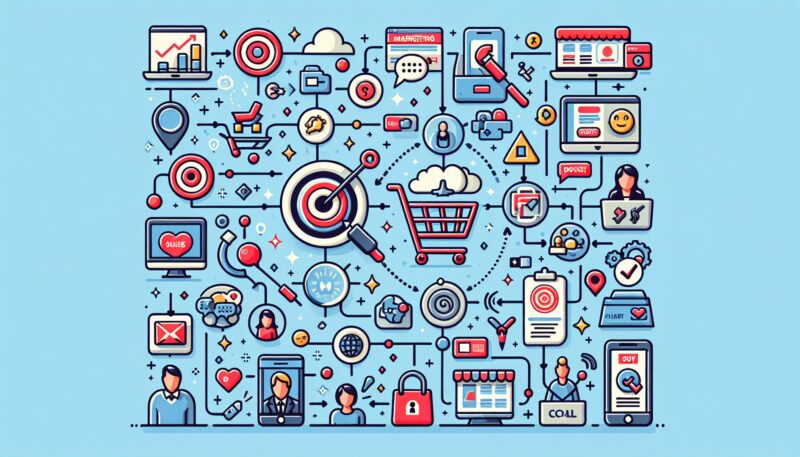
Customer journey maps can’t fix all of these problems, but they do give businesses the opportunity to visualize the various touchpoints and experiences our customers pass through as they move from awareness to post-sale.
Table of contents
What is a customer journey map?
A customer journey map works much like the map you’d use to navigate any type of journey. But instead of mapping your way to grandma’s house and highlighting the various roadside attractions and stops along the way, you’re mapping the journey your customer takes with your product or brand.
At each touchpoint, there are things to be done, such as filling in shipping or billing information. Each touchpoint also shows us the emotion a customer is experiencing, such as angst if they’re looking for a shipping update, for example.
Having a visual representation of the customer journey helps your business better understand all that goes into engagements with your customers. It also makes it easier to identify points of friction and understand how changes to the customer experience will impact the customer journey.
Dig deeper: How to build a better buyer journey using customer behavioral data
Why are customer journey maps useful for marketers?
Customer journey maps contain a wealth of information for marketers. With this information, marketers can build better experiences and make deeper connections with customers. You might say customer journey maps allow you to walk a mile in your customer’s shoes, but they’ll also show you if the journey could have been half a mile instead.
In this way, customer journey maps help marketers insert empathy into the customer journey. We don’t like it when checkout requires eight steps, so we can imagine our customers feel the same way.
Analyzing customer interactions opens the door for optimizing those interactions. It will also help inform your marketing strategy. Customers crave frictionless experiences, so when we use the information from our customer journey map and other sources to develop a top-notch experience, we’re setting the stage for happy customers to use in your marketing, to say nothing of the marketing the customers will do on their own as advocates for the brand.
Customer journey maps are also a valuable tool for cross-functional communication and collaboration. It’s unlikely the steps customers stake along their journey all fall under marketing. Departments like IT, product and customer success/service are all involved. A visualization of the steps and processes helps streamline collaboration when changes are needed.
Dig deeper: How to create content for every stage of the customer journey
Examples of customer journey maps
For some organizations, the customer journey map is simple, at least when they start. The simple funnel formula of awareness, consideration, conversion and retention is a basic example.
From there, customer journey maps get more complicated as companies grow and their products expand. Some organizations create journey maps for individual products. Others use a timeline-based map that focuses on how long customers spend at each point in the journey. This is especially useful for big-ticket and B2B purchases with longer buying cycles. B2B customer journey maps might focus on the different personas in the buying group, as multiple stakeholders take part in the purchase decision.
However, if you choose to do it, don’t create your customer journey map off the top of your head. Don’t confuse the customer journey you want with the one your customers are taking. Use customer data to create the map, and then use it again to optimize it. This will, of course, require a strategy for collecting and analyzing customer data. As the organization grows, using automation to help manage customer data is a good idea.
Dig deeper: How customer satisfaction fuels B2B profitability
Customer journey mapping tools
Simple customer journey maps can be created in spreadsheet software or with basic presentation tools, but growing organizations will need to think beyond the functionality of spreadsheets and slides.
Visualization tools like UXPressia, Lucidchart and Microsoft Visio will get the job done.
As the size and complexity of the organization grows, several tools in the martech stack will help create rich journey maps built on data. These include the CRM, customer data platform (CDP), call analytics platforms and customer experience tools.
Ultimately, the tools you use to create your customer journey maps will depend on the complexity of the maps and your organization.
Dig deeper: Customer journey orchestration. What is it and how does it work?
Common pitfalls to avoid in customer journey maps
Accurate, complete customer journey maps are built on customer data, so if your organization lacks that data or it’s not quality data, your journey map is built on a fault line.
Many common pitfalls in customer journey maps, and indeed in customer experience, flow from a lack of quality customer data.
Another common pitfall is paying too much attention to the ideal path. You know the journey you want your customers to travel, but it’s often not the journey they are traveling. Good quality customer data is going to show you the truth.
Lack of alignment and collaboration between teams is a potential pitfall as well. And once again, this is where data will clear things up because it doesn’t take sides. Lack of alignment can be a pitfall for customer journey maps because it’s often unclear who owns the customer experience. If that’s the case in your organization, figure it out before you dive in too deeply.
There is a big picture to every customer journey map. Another common pitfall is focusing so much on individual touchpoints that the big picture gets missed. If the customer and buying and you’re retaining their business, getting stuck on adding a checkbox to a page likely isn’t worth it. That doesn’t mean you can’t test or optimize. Just make sure you’re prioritizing the steps that need attention.
Best practices in customer journey mapping
The best practices for customer journey mapping combine many of the foundations of modern marketing, including data, personas development, testing, optimizing and customer empathy.
Like any project, start your customer journey map process with clear goals. You’re not creating a customer journey map to hang on your wall and show your leadership. It’s a living, breathing look into your customer experience. There will be many stakeholders for this, so be sure you have the buy-in on the goals and objectives.
Use your customer data and personas to demonstrate who is doing what and when as they engage with your brand. Different customers follow different paths, one common example is new customers vs. returning customers.
Visualize the journey, including all the touchpoints, in your customer journey map. Also, include the emotions and thoughts that customers experience at each touchpoint. Are they excited or frustrated? Are they fact-finding or are they casually browsing?
Because your customer journey map is a living, breathing document, continually refine and optimize it. Use the insights from the data and map to take action and improve your customer experience.
Future trends in customer journey mapping
There’s more complexity in store for customer journey maps as technology evolves. The trick is to hide that complexity from your customers. As the number of systems and the amount of data involved in creating customer experiences grows, the customer journey should remain as simple as possible.
One good example of this is personalization. Resolving identities and recommending the right product to the right customer at the right time isn’t easy. But it needs to look that way to your customers.
Personalization is just one area where AI will likely step in and help with customer journey maps. Other areas ripe for AI include predictive analytics, real-time optimization and natural language processing.
Like many projects, the most difficult part of customer journey maps is often just getting started. Don’t worry about AI, predictive analytics and real-time data and analysis. Consider pulling out a piece of paper and mapping out your customer journey by hand. You’ll be surprised where it will take you.
The post Customer journey maps: What you need to know appeared first on MarTech.
**Essential Insights into Customer Journey Maps: What You Need to Know**
In today’s highly competitive business landscape, understanding the customer experience is paramount. One of the most effective tools for gaining this understanding is the Customer Journey Map (CJM). This visual representation of the customer’s experience with a brand provides invaluable insights that can drive strategic decisions and enhance customer satisfaction. Here’s what you need to know about Customer Journey Maps.
### What is a Customer Journey Map?
A Customer Journey Map is a visual storyline of every engagement a customer has with a brand, product, or service. It outlines the customer’s experiences from the initial point of contact through the process of engagement and into a long-term relationship. The map typically includes touchpoints, emotions, pain points, and moments of delight, providing a comprehensive view of the customer’s interactions.
### Why Are Customer Journey Maps Important?
1. **Enhanced Customer Understanding**: CJMs help businesses understand their customers’ needs, preferences, and pain points. By visualizing the customer’s journey, companies can empathize with their experiences and identify areas for improvement.
2. **Improved Customer Experience**: By identifying and addressing pain points, businesses can enhance the overall customer experience. This can lead to increased customer satisfaction, loyalty, and advocacy.
3. **Informed Decision-Making**: CJMs provide data-driven insights that can inform strategic decisions. Whether it’s refining marketing strategies, improving product features, or enhancing customer service, journey maps offer a clear direction.
4. **Cross-Functional Alignment**: CJMs foster collaboration across different departments. By providing a unified view of the customer experience, they ensure that all teams are aligned in their efforts to improve customer satisfaction.
### Key Components of a Customer Journey Map
1. **Personas**: These are fictional characters that represent different segments of your customer base. Personas help in understanding the diverse needs and behaviors of your customers.
2. **Touchpoints**: These are the various interactions a customer has with your brand. Touchpoints can include visiting a website, speaking with customer service, or receiving a product.
3. **Stages**: The customer journey is typically divided into stages such as awareness, consideration, purchase, retention, and advocacy. Each stage represents a different phase of the customer’s relationship with the brand.
4. **Emotions**: Mapping the emotional journey of the customer is crucial. Understanding how customers feel at each touchpoint can help in identifying areas that need improvement.
5. **Pain Points**: These are the challenges or frustrations that customers face during their journey. Identifying pain points is essential for improving the customer experience.
6. **Moments of Delight**: These are positive experiences that exceed customer expectations. Highlighting these moments can help in replicating them across the customer journey.
### Steps to Create a Customer Journey Map
1. **Define Objectives**: Clearly outline what you aim to achieve with the CJM. This could be improving customer satisfaction, increasing retention rates, or enhancing a specific touchpoint.
2. **Research and Data Collection**: Gather data through customer surveys, interviews, analytics, and feedback. This will provide a solid foundation for your journey map.
3. **Identify Personas**: Develop detailed personas that represent your customer segments. Include demographic information, behaviors, needs, and pain points.
4. **Map the Journey**: Outline the stages of the customer journey and identify the touchpoints within each stage. Include the emotions, pain points, and moments of delight associated with each touchpoint.
5. **Analyze and Identify Opportunities**: Analyze the journey map to identify areas for improvement. Look for patterns, gaps, and opportunities to enhance the customer experience.
6. **Implement Changes and Monitor**: Based on your analysis, implement changes to improve the customer journey. Continuously monitor the impact of these changes and update the CJM as needed.
### Best Practices for Effective Customer Journey Mapping
1. **Involve Stakeholders**: Engage stakeholders from different departments to ensure a comprehensive view of the customer journey.
2. **Use Real Data**: Base your CJM on real customer data rather than assumptions. This will ensure accuracy and relevance.
3. **Keep it Simple**: While it’s important to be thorough, avoid overcomplicating the map. A clear and concise CJM is more effective.
4. **Focus on the Customer**: Always keep the customer’s perspective in mind. The goal is to understand and improve their experience.
5. **Iterate and Update**: The customer journey is dynamic. Regularly update your CJM to reflect changes in customer behavior and market trends.
### Conclusion
Customer Journey Maps are a powerful tool for understanding and improving the customer experience. By providing a detailed view of the customer’s interactions with your brand, CJMs enable businesses to make informed decisions, enhance customer satisfaction, and drive growth. By following best practices and continuously updating your journey map, you can ensure that your business remains

Recent Comments