

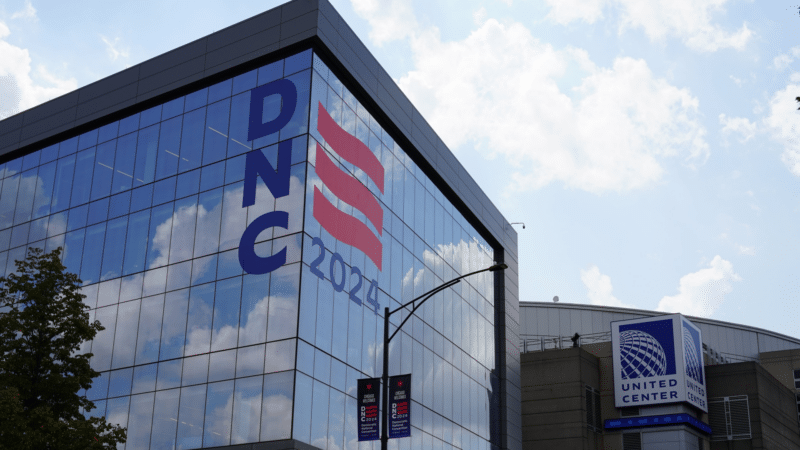
While marketers get ready to ramp up holiday campaigns this fall, many U.S. consumers will have politics on their minds. That’s because those living in competitive states and districts across the nation will be pelted with slogans and attack ads for the next two months. 2024 is projected to be a record-breaking year, surpassing $12 billion in political ad spend.
Seventy percent of that windfall will be spent after Labor Day, Mark Positano, DSP StackAdapt’s head of political, told MarTech.
This means brands must be savvy and selective when communicating with customers during this busy time, which coincides with the first waves of holiday purchases. Marketers also need to decide if there’s a payoff in appealing to customers’ voting passions, or if customers prefer brands stay out of the political debates.
High demand by political campaigns
This isn’t just an exceptional campaign year due to the volume of political spend. The late-hour replacement of President Joe Biden with Vice President Kamala Harris at the top of the Democratic ticket, ahead of this week’s Democratic National Convention, sparked new interest and closer races for Democrats in swing states.
This excitement is making for an uncharacteristically active August, although campaigns will still spend most of their funds in September and October.
“I think you’ll see a lot coming out of the convention — spends are already high,” said Positano, who is in Chicago for the DNC. “I think you’re going to start seeing the gasoline being poured on coming out of this, especially the energy behind Kamala Harris. Her campaign has done extraordinarily well in raising money. From a Republican standpoint, they had messages against Biden, and things have been flipped a little bit. They’re trying to figure out messaging and how that plays on a presidential level.”
He added: “There’s a lot of activity that’s happening and, of course, a bunch of states that are swing states and have close senate races.”
These states include Pennsylvania, Michigan, Wisconsin, Ohio, Nevada, Montana and Arizona. For low-population density states, like Nevada and Montana, there is inventory to buy, but not a lot of ad viewers. The demand in these states will drive up ad costs for brands.
Reaching voters and customers with data
Although digital video is projected to pass linear TV in revenue for the first time this year, linear TV remains “a big part” of political campaigns, according to Positano. That’s because campaigns need to hit their target on whatever device is relevant. Out-of-home is also in the mix for 2024 campaigns. Campaigns will combine these traditional media with targeted CTV and social media campaigns.
“From a political standpoint, campaigns start with a first-party audience, then waterfall into the inventory,” said Positano. “They’ll waterfall into news and live sports and will be in the thick of it in October.”
Positano adds that ARC data from smart TV manufacturers lets political campaigns target with a precision unavailable in previous cycles.
Brands with long-term ad budgets have locked down digital inventory through programmatic guaranteed buys. For last-minute ad opportunities, brands should focus on high-value segments with targeted messages.
“I would recommend that marketers not let off the gas in terms of their ad spend; but, minimize marketing waste by focusing more on their highest-value customer personas with personalized messages,” Cary Lawrence, CEO of consumer analytics platform Decile. “Now is not the time to blast widely and wait for the platforms to read the signals, but to act with high-value customer acquisition and retention top-of-mind. This will make the most out of precious ad dollars in an undoubtedly competitive advertising landscape.”
Political messaging from brands
Should brands get political or leave political messaging to the candidates? Consumers are as divided about this as they are about picking presidents.
A survey from business review site Sitejabber and research firm MarketSight found 41% of consumers prefer companies keep their political positions private. Only 32% of consumers said political affiliations don’t influence purchasing decisions, which means two-thirds of consumers could be put off by the wrong politically tinged message from a brand.
“In terms of wading into the election from a marketing perspective, it’s definitely a matter of how each brand wants their messaging to resonate with their audience segments and customer personas,” said Lawrence. “Brands who choose to lean into political messaging may consider analyzing customer interests and behaviors beforehand. Insight into additional attributes like voting patterns, interests, causes supported and types of media consumed can be a useful predictor into whether a political-leaning message will resonate or alienate.”
Leveraging political interest, or avoiding it, with out-of-home
In addition to political campaigns leveraging out-of-home (OOH), brands use the medium to navigate political hotspots or to maintain a distance from the noise.
“As OOH and DOOH (digital out-of-home) offer ad environments, free from much of the banter on the web, we continue to bring positive brand-centric ad experiences to brands and consumers,” said Barry Frey, President and CEO of DOOH industry organization DPAA Global.
Outdoor media company OUTFRONT Media’s inventory in Chicago was 90% sold out by the end of July, ahead of the DNC. Grubhub decided to capitalize on DNC enthusiasm with its Chicago out-of-home presence.

“With 100% SOV (share of voice) on static inventory and large-scale digital and static placements along key roadways that capture the attention of passersby, brands have the opportunity and physical space to share messaging that matches the political tenor of an area or their business, while ensuring their brand messaging is still present,” said Lindsay Kramer, with OUTFRONT Media’s client strategy and solutions. “As with previous election cycles, we are starting to see more inquiries from brands to support political and/or voting-related messages.”
For brands that prefer to stay out of politics, OUTFRONT created a politics-free inventory called the “Political Avoidance Network.” This network includes transit environments, which are restricted from political advertising.
“Additionally, as political advertisers drive TV and other media rates up as the election gets closer, OOH continues to remain a cost-effective, attainable medium to achieve the reach and target audiences they desire,” said Kramer.
Dig deeper: Pepsi, McDonald’s and the latest in digital out-of-home
Influencing voters and consumers
Nearly half of likely voters said OOH political ads inform them about candidates (45%) and policy issues (44%), according to a study by Out of Home Advertising Association of America (OAAA) and Morning Consult. Fifty-six percent found OOH ads more trustworthy, than radio, streaming audio, cable TV, social media and streaming TV.
“The trust and credibility that voters place in OOH ads can be leveraged by brands seeking to build or reinforce trust with their audiences,” said Anna Bager, OAAA’s CEO. “Brands can capitalize on this by aligning their messaging with key cultural moments or social issues that resonate with the public, similar to how political campaigns tap into voter sentiments. By doing so, brands can create a meaningful connection with their target audiences, enhancing the impact of their OOH campaigns.”
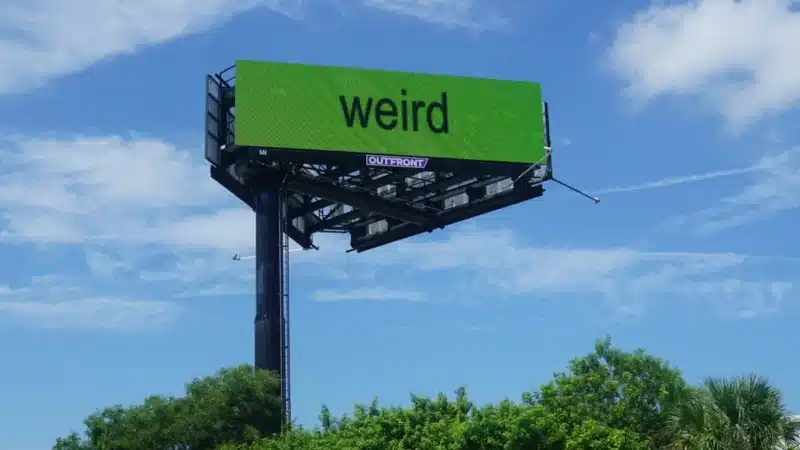
Both parties are going after younger voters via digital. While Democrats appear to be ahead in terms of memes, no one knows what that means about actual votes cast. Digital culture is also surfacing in out-of-home. This summer, the Democratic-supporting Mad Dog PAC merged “weird” and “brat” social memes for an outdoor ad in Miami.
Half (52%) of Gen Z follow political influencers or activists on social media, according to influencer platform Captiv8. And 74% of Gen Z respondents said they learn about elections or political policies on social.
According to creator agency Billion Dollar Boy, 28% of U.S. creators have been approached by campaigns to make political content.
Vice President Harris upended the election and advertising plans by entering the race 100 days before the election. When the Democratic National Convention ends, it will be down to 73 days. That’s a much shorter and faster election ad cycle than anyone has seen before.
“With a focus on localized messaging, significant activity may occur during key moments such as early voting weeks and just before major debates or events, especially in the final two weeks leading up to the election,” said Bager. “With the way the national presidential race has been reshaped, however, that intensity is happening now with a huge ramp up in political ad reservations, particularly in so-called battleground states — like Pennsylvania, Georgia, Nevada, and North Carolina.”
The post Intense election ad buying could upend brands’ holiday marketing plans appeared first on MarTech.
**Election Ad Spending Surge May Disrupt Brands’ Holiday Marketing Strategies**
As the holiday season approaches, brands typically ramp up their marketing efforts to capitalize on the increased consumer spending that accompanies this time of year. However, in the lead-up to major elections, such as the upcoming 2024 U.S. presidential election, brands may find themselves facing an unexpected challenge: a surge in election ad spending that could disrupt their carefully planned holiday marketing strategies.
### The Election Ad Spending Surge
Election cycles, particularly presidential elections, bring with them a significant increase in political advertising. Candidates, political action committees (PACs), and advocacy groups pour billions of dollars into advertising across various media channels, including television, radio, digital platforms, and social media. According to estimates by the research firm Kantar, political ad spending for the 2024 election cycle could exceed $10 billion, surpassing the record set during the 2020 election.
This surge in political ad spending creates a highly competitive advertising environment, with political campaigns vying for the same ad inventory that brands typically rely on for their holiday marketing. The result is a crowded marketplace where ad prices skyrocket, inventory becomes scarce, and brands may struggle to maintain their visibility.
### Impact on Holiday Marketing Strategies
For brands, the holiday season is a critical period for driving sales and building brand awareness. Many companies allocate a significant portion of their annual marketing budgets to holiday campaigns, which often include a mix of television commercials, digital ads, social media promotions, and email marketing. However, the influx of political ads during an election year can disrupt these plans in several ways:
1. **Increased Ad Costs:** The heightened demand for ad space during election season drives up prices across all media channels. Brands may find themselves paying significantly more for the same ad placements they secured at lower rates in previous years. This can strain marketing budgets and force brands to make tough decisions about where to allocate their resources.
2. **Limited Ad Inventory:** With political campaigns snapping up prime ad slots, especially on television and digital platforms, brands may face challenges in securing the ad inventory they need to reach their target audiences. This scarcity can lead to reduced visibility and lower overall campaign effectiveness.
3. **Ad Fatigue:** The sheer volume of political ads during an election cycle can lead to ad fatigue among consumers. As viewers are bombarded with political messaging, they may become less receptive to other types of advertising, including holiday-themed promotions. This can make it more difficult for brands to capture attention and engage consumers.
4. **Shifts in Consumer Sentiment:** The tone and content of political ads can influence consumer sentiment and behavior. During a contentious election, consumers may be more focused on political issues and less interested in holiday shopping. Brands may need to adjust their messaging to align with the mood of the electorate or risk appearing out of touch.
### Strategies for Navigating the Election Ad Surge
While the challenges posed by election ad spending are significant, brands can take proactive steps to mitigate the impact on their holiday marketing strategies:
1. **Plan Early:** Brands that plan their holiday campaigns well in advance are better positioned to secure ad inventory before prices spike. By locking in ad placements early, brands can avoid the last-minute scramble for space and potentially negotiate more favorable rates.
2. **Diversify Channels:** To reduce reliance on any single advertising channel, brands should consider diversifying their marketing efforts across multiple platforms. For example, brands can explore opportunities in emerging digital channels, influencer marketing, and content marketing to reach consumers in less crowded spaces.
3. **Leverage Owned Media:** In an environment where paid media is more expensive and competitive, brands can maximize the use of owned media channels, such as their websites, email lists, and social media profiles. By creating compelling content and engaging directly with their audience, brands can maintain visibility without relying solely on paid advertising.
4. **Adjust Messaging:** Brands should be mindful of the political climate and consider adjusting their messaging to resonate with consumers during an election year. This could involve emphasizing themes of unity, community, and giving back, which may appeal to consumers during a time of heightened political tension.
5. **Monitor and Adapt:** The advertising landscape during an election cycle is dynamic, with conditions changing rapidly as campaigns ramp up. Brands should closely monitor ad performance and consumer sentiment throughout the season and be prepared to adapt their strategies as needed.
### Conclusion
The intersection of election cycles and holiday marketing presents a unique set of challenges for brands. The surge in election ad spending can disrupt traditional marketing strategies, leading to increased costs, limited inventory, and potential shifts in consumer behavior. However, by planning ahead, diversifying their approach, and staying attuned to the political climate, brands can navigate these challenges and still achieve their holiday marketing goals. As the 2024 election approaches, brands that are agile and adaptable will be best positioned to succeed in this competitive landscape.

Recent Comments