
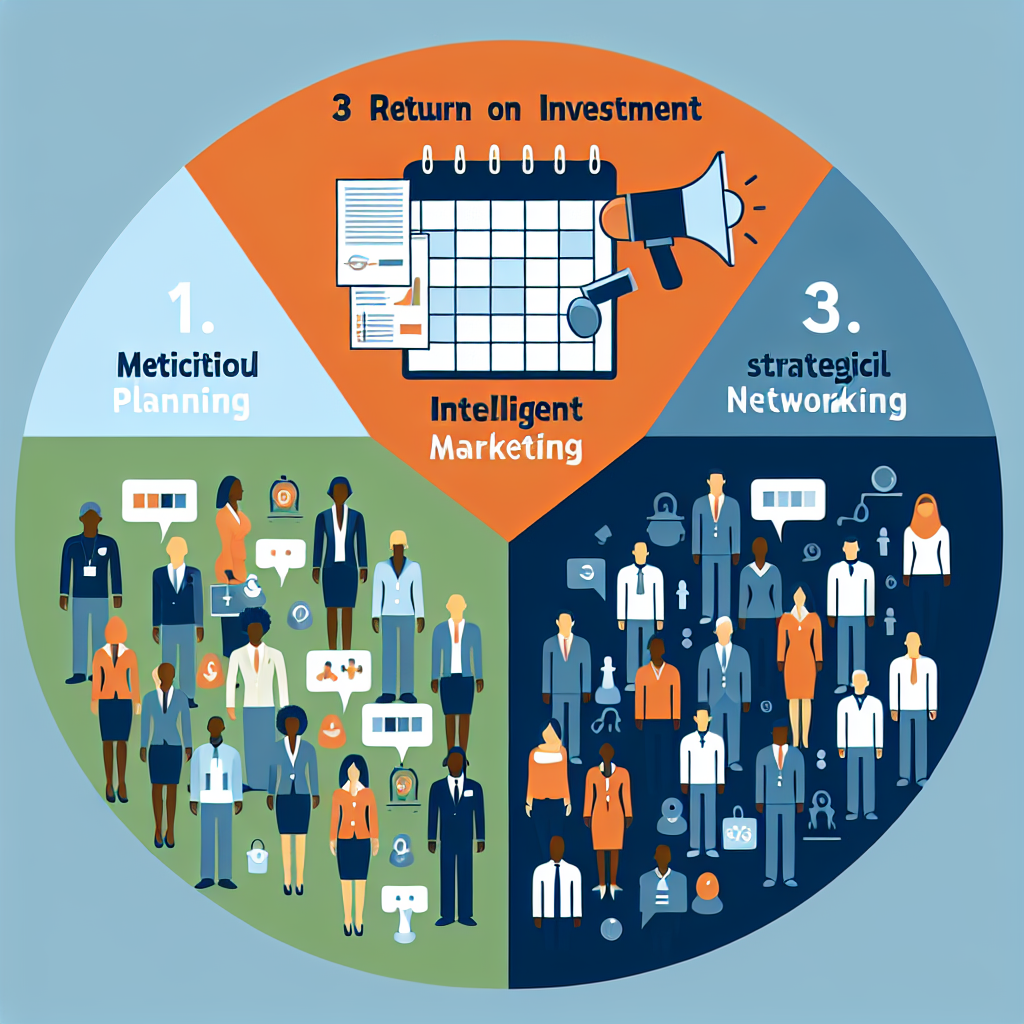

Conference season is in full swing. If you’re spending that much cash, be sure you’re getting results, whether it’s acquiring new leads, closing deals or starting new partnerships.
Conferences can drain your budget, but with the right strategy, you can turn every event into a profitable trip — be it The MarTech Conference or INBOUND. Here’s how to maximize your conference ROI, from planning to follow-up.
1. Set the stage for success with the right pre-conference preparation
Be deliberate. Identify your goals before attending the conference, such as capturing leads or increasing brand awareness.
Book meetings ahead of time
Reach out to prospects, connections and customers to connect with during the event. Make a real plan by deciding who you want to meet, what you can offer and what you hope to achieve from each interaction.
Reach out before the conference through email or LinkedIn to set up meetings or introductions. This can break the ice and ensure you make meaningful connections.
Get more sales meetings in advance with HubSpot’s LinkedIn integration
Lock in meetings with key prospects before the event. Cold emails are losing their punch, so LinkedIn is the go-to for making real, meaningful connections. People trust individuals more than companies and LinkedIn lets your team tap into that trust.
HubSpot’s LinkedIn Sales Navigator integration makes this easier. It lets you zero in on the right decision-makers attending the conference, making your outreach targeted and personal. Remember, being too pushy on LinkedIn can backfire, so focus on offering value and building trust.
Your sales team can also pull LinkedIn insights straight into HubSpot, keep CRM records up to date in real-time and log activities without breaking a sweat. This keeps your team organized and focused on closing deals within one platform.
Keep your CRM clean for better outreach and reporting
Before heading to a conference, the last thing you need is a CRM bogged down with messy data. Duplicates, outdated info and incomplete profiles can seriously hinder your networking efforts.
Clean data is essential for effective list import and segmentation, ensuring your outreach (before and after the event) is targeted and efficient.
When your CRM is cluttered, you risk missing opportunities and wasting resources. Incorrect contact details or duplicate records can lead to overlapping outreach, frustrating potential clients and damaging your reputation.
To avoid these issues:
- Clean your CRM before importing any lists: Take time to thoroughly update outdated information, correct inaccuracies and ensure all contact details are current, minimizing the risk of mistakes and miscommunication.
- Implement standardized data entry processes: Establish clear guidelines for consistent data formatting to reduce errors and maintain uniformity.
- Regularly audit your data for accuracy and consistency: Use automated tools to catch and fix issues like duplicates or inconsistent information, ensuring reliable insights and smooth CRM operations.
When your data is organized and up-to-date, sending the right message to the right people is easier. This boosts your chances of making meaningful connections at the conference and ensures you’re not wasting time on leads that won’t go anywhere.
Dig deeper: 4 keys to digital events planning
2. Stand out and stay organized during the event
At the event, keep your goals in mind. Locate your targets and strike up conversations based on the plan you created. If you want to meet a certain number of people, politely end conversations when necessary by saying, “It was really great to meet you. Let’s stay connected.”
When it comes time to exchange information, make sure you have the right tools and approach.
Use digital business card technology like Popl to exchange contact info
Use tech like Popl to instantly share and capture contact information, eliminating the risk of losing contacts as with traditional paper business cards. Popl allows instant follow-up by integrating with CRM systems like HubSpot, which can automate the initial email follow-up, keeping the conversation warm.
Scan physical cards with HubSpot’s mobile app
Similarly, you can take some of the hassle out of networking with the business card scanner on the HubSpot mobile app, which lets you quickly upload contacts to the CRM and sort them as needed. The app also handles QR codes.
To be remembered, be more human
Networking can feel like a chore for many people, but just because it’s technically for work doesn’t mean it shouldn’t be enjoyable for everyone involved. Treat networking as building personal connections rather than just a business exchange.
In other words, focus on having genuine conversations. Everyone at the event has something to gain by being there. You’ll benefit much more by building relationships and being helpful. Avoid being overly salesy or treating people like another number in your lead generation efforts.
Freebies and giveaways still work in some industries, but the people who get remembered for the right reasons are those who are helpful and form real connections.
Dig deeper: Beyond attendance: Unlocking B2B growth with event-led strategies
3. Seal the deal with smart post-conference follow-up
The work doesn’t end when the conference does; it’s just beginning. Post-conference follow-up is where you turn those valuable interactions into real business opportunities. Here’s how to do it effectively.
Send personalized follow-up messages
With your (now clean) CRM, segment your contacts based on the level of interest or interaction at the conference to ensure your messages are relevant and timely.
After the event, send personalized follow-up emails to everyone you connected with. Keep these messages concise, polite and laser-focused on the next steps, whether it’s scheduling a demo, sharing additional resources or setting up a follow-up meeting.
Be persistent but not pushy
Nobody wants to be the pushy salesperson, but the first email rarely leads to a deal. Make sure you get your follow-up right.
- Plan a follow-up cadence. If your first email doesn’t get a response, plan to send a second or even a third follow-up. Space these out over a few days or a week, and always add value to each message, such as new insights, an interesting article or a gentle reminder about your previous conversation.
- Avoid the spam filters. Keep your follow-up emails short and to the point. Don’t overwhelm your contacts with too many messages or unnecessary information. If you’re a HubSpot user, use HubSpot’s email tracking to monitor engagement and adjust your strategy based on who’s opening your emails and who’s not.
Stay top of mind on LinkedIn with conference updates
- Share conference pictures, key takeaways or highlights on LinkedIn: Tag people you met or mention relevant companies. This keeps you visible and reminds your new contacts of their positive interactions with you.
- Don’t just post and pray — engage with your network: Comment on and share posts from people you met at the conference. This continued interaction shows that you’re interested in maintaining the relationship beyond just the initial meeting.
Dig deeper: 3 kinds of data to optimize digital events
Bonus: Making the most of virtual attendance
Since so many people attend events online these days, it’s harder to make spontaneous connections than it used to be. So how do you still get the most out of virtual events?
- Connect with the event speakers on LinkedIn: Don’t wait until the event is over — reach out to speakers on LinkedIn during the event. Mention something specific from their talk to make your message stand out.
- Get involved in the chat: Jump into the chat or comment sections during the event. Ask questions, share your thoughts and engage with other attendees.
- Join the breakout sessions: If there are breakout sessions, join them and speak up. These smaller groups are perfect for networking and diving deeper into topics that interest you.
- Spark the conversation on social media: Share your insights and takeaways from the event on social media using the event’s hashtags. It’s an easy way to boost your visibility and connect with others in your industry.
- Follow up right away: Don’t wait too long to follow up with new connections. Send a quick message while the event is still fresh in everyone’s mind and reference something from the event to keep it relevant.
Set yourself up for a strong follow-up by coming prepared
To get the most from your conference investment, plan ahead, make real connections during the event and follow up with the info you gathered. Tools like HubSpot, Popl and LinkedIn can all supplement your efforts to drive results with good data, especially when your data and processes are clearly established.
Don’t forget to keep the momentum going with interesting or valuable post-conference follow-ups and turn those connections into real opportunities.
The post 3 tips to maximize your ROI at events appeared first on MarTech.
# Three Essential Strategies to Optimize Your Return on Investment at Events
Events, whether they are trade shows, conferences, or corporate gatherings, offer businesses a unique opportunity to connect with potential clients, partners, and industry leaders. However, attending or hosting events requires a significant investment of time, money, and resources. To ensure that these investments yield substantial returns, businesses must adopt strategic approaches. Here are three essential strategies to optimize your Return on Investment (ROI) at events.
## 1. **Set Clear and Measurable Objectives**
The foundation of any successful event strategy is having clear and measurable objectives. Without a well-defined goal, it’s challenging to determine whether your event participation was successful or not. Objectives should align with your broader business goals and be specific, measurable, achievable, relevant, and time-bound (SMART).
### Examples of Clear Objectives:
– **Lead Generation:** Aim to collect a specific number of qualified leads during the event.
– **Brand Awareness:** Increase brand visibility by engaging with a certain number of attendees or achieving a specific number of social media mentions.
– **Sales:** Close a set number of deals or generate a specific amount of revenue directly from event interactions.
– **Networking:** Establish connections with key industry influencers or potential partners.
By setting these objectives, you can focus your efforts on activities that directly contribute to achieving them. Additionally, having measurable goals allows you to track progress and make data-driven decisions for future events.
## 2. **Maximize Pre-Event Marketing and Engagement**
The success of your event participation often hinges on the groundwork laid before the event even begins. Pre-event marketing and engagement are critical to driving attendance to your booth, session, or event space and ensuring that your target audience is aware of your presence.
### Key Pre-Event Strategies:
– **Targeted Outreach:** Use email marketing, social media, and direct mail to inform your existing customers and prospects about your participation in the event. Offer incentives such as exclusive content, discounts, or giveaways to encourage them to visit your booth or attend your session.
– **Social Media Campaigns:** Leverage event hashtags and engage with the event’s social media channels to increase your visibility. Share teasers, behind-the-scenes content, and announcements to create buzz around your participation.
– **Personalized Invitations:** For high-value prospects or key industry players, consider sending personalized invitations to meet with your team during the event. This can be done through email, LinkedIn messages, or even phone calls.
– **Content Marketing:** Publish blog posts, videos, or podcasts related to the event’s theme or your participation. This content can help position your brand as a thought leader and attract attendees who are interested in your expertise.
By engaging with your audience before the event, you can build anticipation and ensure that your brand is top-of-mind when attendees arrive.
## 3. **Leverage Data and Technology for Post-Event Follow-Up**
The event doesn’t end when the doors close. In fact, the post-event phase is where much of the ROI is realized. Effective follow-up is crucial to converting leads into customers and maintaining the momentum generated during the event.
### Post-Event Strategies:
– **Lead Scoring and Segmentation:** Use data collected during the event to score and segment leads based on their level of interest and potential value. This allows you to prioritize follow-up efforts and tailor your messaging to different segments.
– **Personalized Follow-Up:** Send personalized emails or make phone calls to the leads you collected, referencing specific conversations or interests they expressed during the event. This personal touch can significantly increase conversion rates.
– **CRM Integration:** Ensure that all leads and interactions are recorded in your Customer Relationship Management (CRM) system. This will help you track the progress of each lead and measure the long-term ROI of your event participation.
– **Content Distribution:** Share relevant content, such as whitepapers, case studies, or product demos, with your leads to nurture them through the sales funnel. This content should address the pain points or interests they mentioned during the event.
– **Analyze and Report:** After the event, analyze the data to assess the effectiveness of your strategies. Look at metrics such as the number of leads generated, deals closed, social media engagement, and overall brand exposure. Use this data to refine your approach for future events.
By leveraging data and technology, you can ensure that your post-event follow-up is timely, relevant, and effective, ultimately driving higher conversion rates and maximizing your ROI.
## Conclusion
Optimizing your ROI at events requires a strategic approach that begins long before the event and continues well after it ends. By setting clear objectives, maximizing pre-event marketing and engagement, and leveraging data for effective follow-up, you can ensure that your investment in events delivers tangible results. As you refine these strategies over time, you’ll be better equipped to make informed decisions about which events to attend and how to maximize your impact at each one.

Recent Comments