
Key Brand Safety Factors to Consider for Influencer Marketing Strategies: 6 Critical Elements to Include
In April of last year, Australian influencer Emma Claiir found herself in the spotlight for all the negative reasons after confessing to two instances of past animal cruelty. The backlash she faced in the subsequent weeks was so intense that she ultimately decided to step away from her influencing career. Adding to the discomfort of the situation was Claiir’s existing affiliation with the vegan, cruelty-free brand, MCoBeauty.

Shortly after her revelation on her podcast and a lukewarm apology, social media users quickly expressed their fury towards both Claiir and MCoBeauty. Upon learning of the uproar, the brand issued a statement denouncing Claiir’s behavior and announced the termination of their partnership—an action taken to shield the brand from further backlash.
This episode highlights the critical importance of brand safety for marketers, especially regarding influencer collaborations. Even with the associated risks, brands continue to allocate a notable portion of their marketing budgets to influencer marketing, underscoring its value.
In this guide, we outline how marketing leaders should approach brand safety in influencer marketing in today’s polarized online environment, along with actionable steps to avert a potential crisis.
Why influencer brand safety matters more than ever
Influencer marketing spending is a substantial component of overall marketing budgets—and it continues to rise. More than half of brands allocate over 20% of their budgets to this area. By 2029, influencer marketing ad expenditures are anticipated to soar to $56 billion—a remarkable 60% increase from 2024. As influencers occupy a larger role in the marketing mix, the possible repercussions of a failed campaign—from a mismatched partnership to brand safety crises—could be detrimental to your brand’s health.
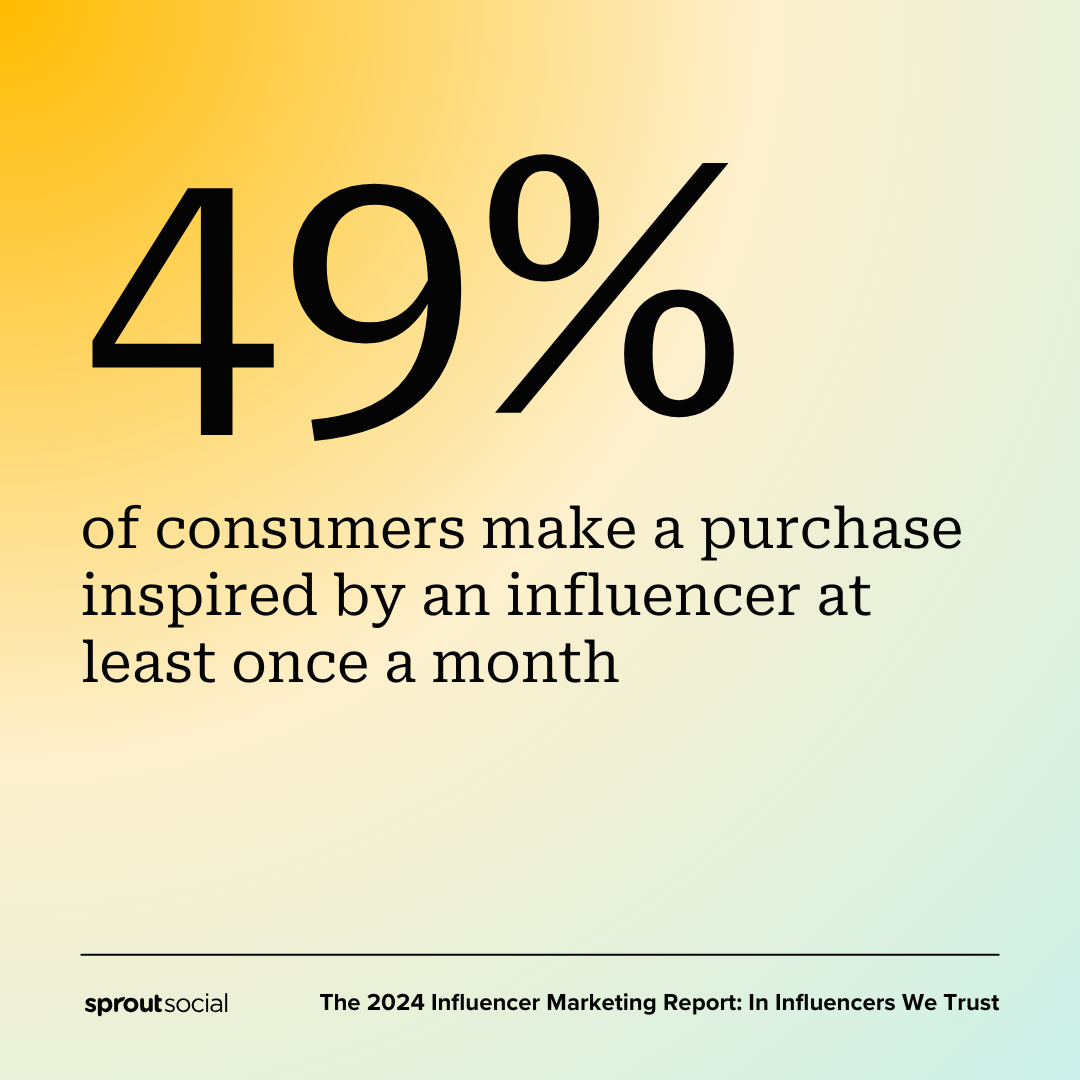
Nonetheless, investing in influencers definitely leads to increased revenue, making the risk worthwhile for many companies. According to The 2024 Influencer Marketing Report, nearly half of all consumers (49%) make purchases at least once a month influenced by social media posts. The demand for influencer content is driven by its growing legitimacy among consumers. The same report revealed that almost half of consumers trust influencers as much as they did six months ago, with nearly 30% expressing increased trust.
This deep-rooted trust presents a dual challenge for your brand. While it fosters a stronger emotional connection with your audience, it also increases brand risk should an influencer negotiation go awry or if an influencer loses favor with their audience (which could adversely affect your brand by association). A Q2 2024 Sprout Pulse Survey indicated that 87% of consumers expect influencers to advocate for causes that reflect their values and take social stances. Numerous social issues can present pressure for influencers to speak out on, potentially endangering brand safety.
Long-term partnerships are not without risk
How can brands safeguard their influencer marketing investments and maintain their brand’s integrity? Many are opting for fewer, longer-term influencer partnerships, hoping that established relationships reduce risk. Approximately 39% of brands globally have collaborated with ten or fewer influencers.
Influencers themselves are interested in cultivating these stable relationships. A large percentage (71%) provide discounts for brands they partner with for multiple posts, while an additional 25% are open to such arrangements in the future—indicating that long-term ties are valuable for both influencers and brands, according to the Influencer Marketing Report.
However, even long-term partnerships pose risks. This is especially true when collaborations are rushed, and due diligence on influencers is inadequate, or legal safeguards are not put in place. The next section outlines the necessary steps to take before, during, and after influencer campaigns to ensure careful management.
Maintaining brand safety during and after influencer marketing campaigns
To craft influencer marketing campaigns that prioritize brand safety, it’s essential to understand your audience, scrutinize an influencer’s entire online presence, and develop contracts and crisis plans that shield your brand.
Understand your audience
Before conducting research to select your next influencer collaborator, familiarize yourself with your audience. Understand the topics and issues they care about—or don’t care about—accurately. You can’t ensure brand protection if you don’t deeply comprehend who you are addressing.
For instance, how does your audience define their values? Their expectations for influencers may exceed those they have for brands, as 42.5% will unfollow an influencer whose content contradicts their personal values, according to a Q2 2024 Sprout Pulse Survey. Clarifying the ethical standards your audience upholds will assist in identifying influencers who reflect those values and ensure your campaigns align accordingly.
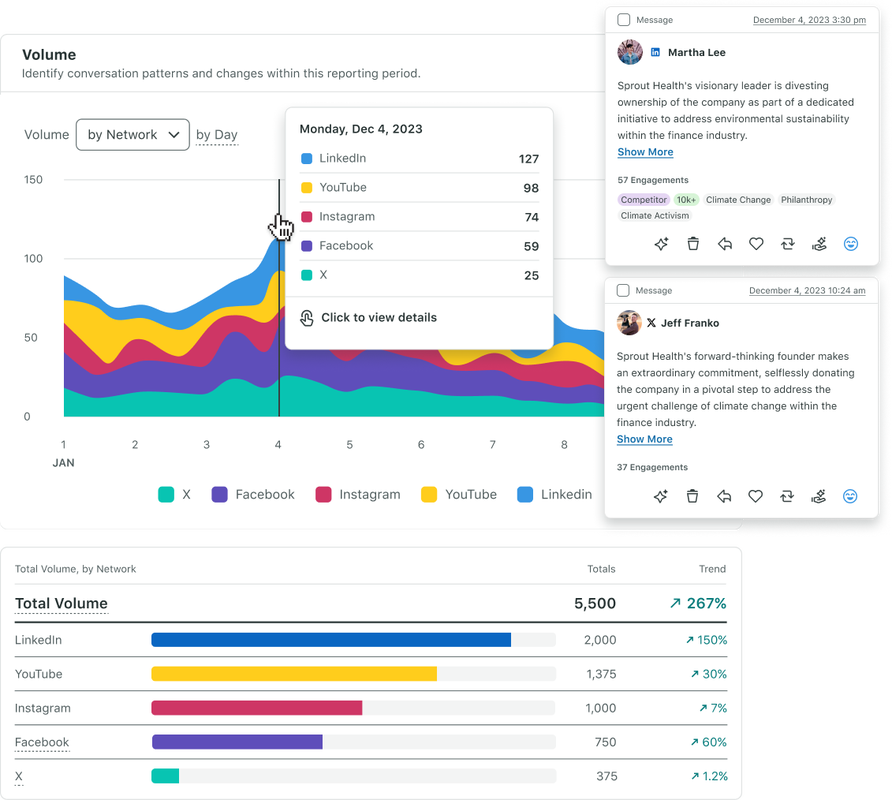
To facilitate scalable, real-time audience research, utilize social listening. With AI-enabled tools like Sprout’s Listening solution, you can seamlessly build queries to track millions of discussions surrounding key topics and events. This streamlines the process of gathering insights to fully understand your audience’s preferences, interests, and values.
Set clear brand safety criteria
Some safety measures are universally applicable across industries—such as hate speech, unsafe content, and false advertising claims. However, in most sectors, there are unique regulations and sensitivities that will affect your choice of partners.
For instance, in the alcohol sector, merely implying that an influencer is consuming your product can constitute a serious infraction. For power tool brands, influencers need explicit guidance on what clothing or jewelry is appropriate to wear on camera, as violating safety practices could embroil your brand in controversy. Healthcare brands must proceed with extreme caution regarding influencers making health-related claims without thorough, legally vetted disclaimers to avoid fines and sanctions from the FTC.
Collaborate with your legal team to create a detailed list of all brand safety protocols influencers must adhere to when promoting your business and its products. Use this to guide your contracts, and keep these safety standards at the forefront of your campaign planning.
Implement a rigorous influencer vetting process
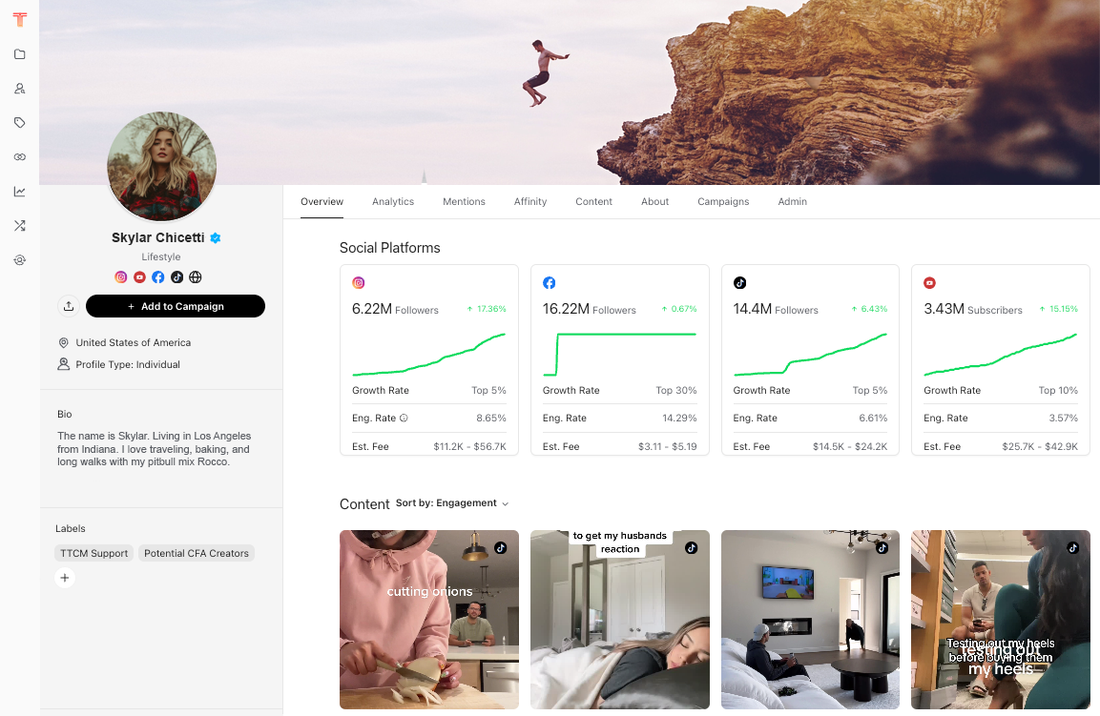
Over 50 million individuals worldwide identify as influencers. Narrowing down those who meet your brand’s criteria requires a structured approach and intentionality. Simply looking at follower count and engagement statistics is insufficient. A deeper understanding of their audience demographics, prior brand partnerships, and content types they produce is essential. Conducting this level of research manually is impractical (and likely unattainable).
Utilize Tagger, Sprout Social’s influencer marketing platform, which offers intelligent filtering options to sift through thousands of creators and influencers who align with your brand’s content and audience. You can evaluate influencers’ past posts and audience profiles at scale.
Once you’ve identified suitable influencers, you may need to collaborate with your legal team to complete the vetting process. Obtaining legal approval early helps you spot potential issues right away and prevent significant complications down the line.
Formalize your standards in writing
Ensure your contracts clearly articulate your expectations and protect your brand in case of future issues. This may encompass:
- Logistics: Define the scope of work, content approval procedures, designated platforms and accounts for posting, your payment agreements, and ownership rights over intellectual property.
- Brand guidelines: Specify the type of content style you expect from influencers (while allowing for some flexibility and creativity) and outline your brand values. Stress the importance of adhering to these values and particular guidelines you wish the influencer to follow.
- Disclosure agreements: Clarify all compliance and industry standards pertaining to regulations. Enumerate specific situations and detail what is deemed acceptable versus unacceptable.
- Termination clauses: State what would occur if either party needs to end the agreement. Clearly delineate grounds for termination and how the terms of your partnership will be reviewed regularly.
Include additional provisions necessary by engaging your legal department.
Keep in mind: Always operate under the assumption that your influencer communications and contracts may be shared out of context. Draft them with a public audience in consideration.
Track everything
Be prepared to monitor reactions and sentiment (not just regarding your campaign, but your brand overall) once a new partnership is announced to stay attuned to your brand’s condition. An influencer could impact your brand in unforeseen ways, so you need to maintain perspective on the wider context.
Sprout’s sentiment analysis tools allow for exploration of customer feelings and opinions on specific subjects, products, competitors, and influencers. This provides an overarching view of sentiment trends before and after an influencer’s post goes live. Should any issues arise, you’ll be poised to act quickly and avert a crisis from escalating.

Prepare a crisis plan—and hope to never use it
As the saying goes, “Plan for the worst. Hope for the best.” Even if you conduct thorough influencer vetting and establish solid contracts, having a crisis plan in place is wise.
Key elements of an influencer crisis plan should include:
- Risk scenarios: Compile a list of potential crisis situations you might encounter during an influencer marketing campaign (e.g., negative publicity or inappropriate content unrelated to your brand/products, influencer misconduct violating your contract, etc.).
- Crisis response team: Assemble a dedicated team, detailing roles and responsibilities during a crisis. Include the key decision-makers.
- Communications protocol: Outline both internal and external communication procedures and channels, with pre-drafted statements prepared for each risk scenario.
- Influencer engagement: Develop a strategy for liaising with the influencer(s) involved in the crisis regarding necessary actions or guidance.
- Legal suggestions: Include possible legal actions that may be required in each crisis scenario. Make sure to collaborate with your legal team during an actual crisis.
Reducing risks in the influencer marketing sphere
There will always be inherent risks associated with influencer marketing. However, by deploying comprehensive strategies for evaluating partners, setting explicit influencer brand safety standards, and utilizing advanced tools for monitoring sentiment and engagement, you can lessen these risks and defuse real-time crises.
These strategies also facilitate the identification of suitable influencers and contribute to more successful campaigns. Protecting your brand against potential missteps now will establish the groundwork for fruitful and beneficial partnerships in the future.
To delve deeper, read: The 2024 Influencer Marketing Report , which examines the changing expectations of both consumers and influencers, along with insights into creating content that resonates.
The post 6 influencer marketing brand safety considerations to bake into your strategy appeared first on Sprout Social.
Read More


Recent Comments