Month: July 2024

“Improving Client Support Approaches via Efficient Interaction Frameworks”

Selecting a customer engagement model is essential for brands in today’s market.

This is because your method of customer care affects every aspect of your organization.

That being said, customer care requires careful balancing, which brands often find challenging. Customer expectations are seldom uniform. Moreover, the number of channels to oversee has increased significantly.

Being omnipresent in providing service is much easier to say than to do. Embracing the appropriate customer engagement model can ensure thorough care and assist in cultivating brand loyalty.

Here, we outline how to select the ideal model to enhance your customer care strategy.

What constitutes a customer engagement model?

A customer engagement model outlines the strategy brands adopt to connect with customers. This includes the choice of service channels, interaction frequency, degree of personalization, and the overall level of service quality provided to customers.

Customer engagement models are generally classified into high-touch, low-touch, or hybrid:

  • The high-touch engagement model involves personalized interactions with a support team. In this scenario, a dedicated customer success manager (CSM) team may be assigned to specific clients.
  • The low-touch engagement model relies on self-service options (like FAQs, knowledge bases, or chatbots) to offer on-demand service.
  • The hybrid engagement model merges elements of both high-touch and low-touch models by combining personalized assistance with self-service options.

These models may also be applied to particular tasks such as onboarding or customer retention.

For instance, high-touch onboarding may involve a personal guide helping a new customer configure a product. Conversely, low-touch onboarding might consist of tutorials or educational materials. High-touch retention can include direct check-ins with customers, whereas low-touch often embraces a hands-off approach.

It’s important to note that these models aren’t limited to current customers; they also encompass prospects and those who have churned.

The significance of a customer engagement model for your enterprise

Most companies clearly grasp the importance of customer engagement and excellent service.

Nevertheless, many do not have a distinct model in mind when managing customer care.

Here are several reasons why selecting (and adhering to) a customer engagement model is crucial:

  • Avoid escalation of customer issues. Customer engagement shouldn’t be purely reactive. The ability to foresee and tackle potential customer issues means less pressure on your CSM or service team, not to mention a superior customer experience.
  • Boost customer retention. It may sound cliché, but winning new customers usually demands a significantly greater investment of time and resources compared to maintaining existing ones. Establishing brand loyalty through effective customer care translates to long-term retention.
  • Enhance customer satisfaction. Your customer engagement model should cultivate satisfied customers, plain and simple. Quality customer care correlates with increased referrals, positive reviews, and word-of-mouth promotion.
  • Consistency for clients (and internal teams). Although every customer is unique, the experience shouldn’t vary greatly from one individual to another. Providing uniform experiences becomes more manageable when you adhere to an engagement model as a guiding framework. This consistency also benefits the onboarding and training of new customer support personnel, giving them a reliable plan to follow.
  • Collect continuous customer feedback. Implementing an engagement model encourages regular interactions with customers. This can yield both qualitative and quantitative feedback that aids in refining your customer service strategy over time.

How to enhance your customer engagement model by leveraging social media

Initiating a customer care strategy may seem overwhelming, but starting with social media customer service presents a strategic and effective solution.

Social media platforms provide a direct line to your customers, enabling real-time interactions that are both personal and immediate. This immediacy not only boosts customer satisfaction but also fortifies relationships and promotes a sense of community surrounding your brand.

Implementing social media for customer service allows for various engagement models, from high-touch, tailored support to low-touch, self-service options, and even a combination of both. This flexibility guarantees that you can address diverse customer needs and preferences, enriching their overall experience with your brand.

Furthermore, effective social media customer service can notably elevate your brand’s reputation. Satisfied customers are more inclined to remain loyal, leave positive feedback, and recommend your services to others. This will help organically expand your customer base.

To optimize and enhance your social media customer service initiatives, deploying robust social media customer management software is essential.

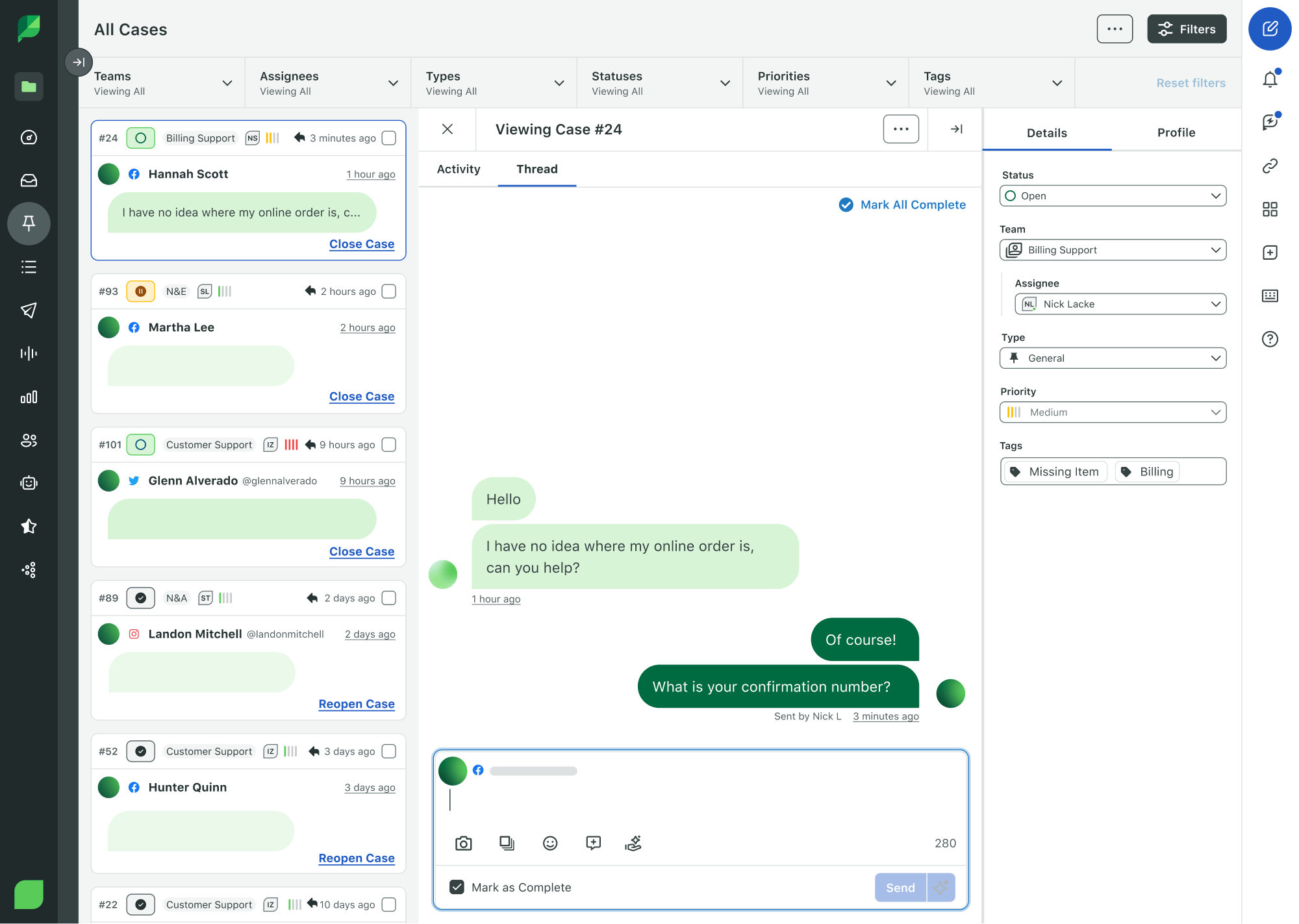
Sprout Social’s Customer Care software is constructed to facilitate and amplify this process. With Sprout’s Case Management, you can effortlessly organize and oversee customer interactions on social media. This ensures that your team delivers prompt, relevant, and effective support.

A screenshot of Sprout Social's customer case management software displaying a customer's message asking for help finding their order and a response from a customer service representative. The customer service representative asked for the customer's confirmation number in order to help them.

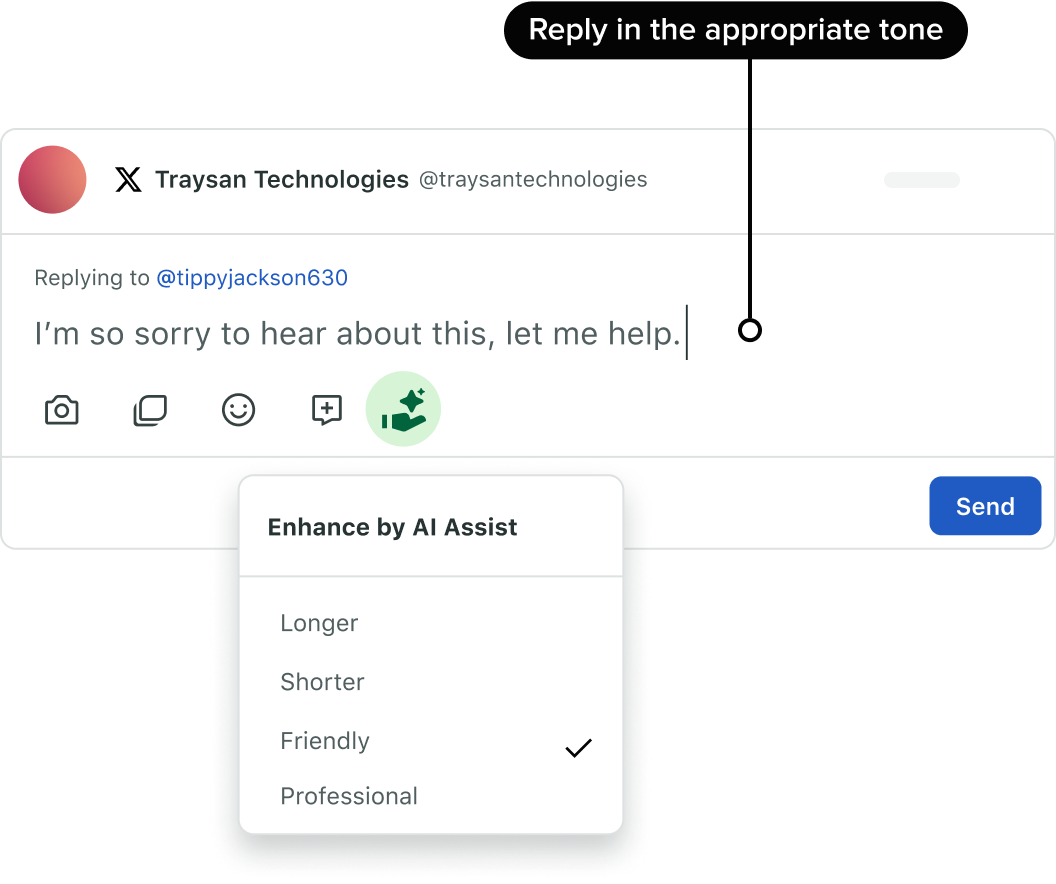
Sprout’s integration of AI and automation features, such as AI Assist and Inbox message sentiment analysis, ensures your team consistently delivers high-quality responses that are both prompt and pertinent.

A customer service representative utilizing Sprout Social's customer case management software with AI response suggestion capabilities to address a customer's inquiry. Initiating your customer care strategy with Sprout Social’s case management system not only lays a strong foundation for all customer engagement models but also positions your brand as responsive and customer-focused.

Leverage Sprout Social to convert your social media channels into vibrant hubs of customer satisfaction and loyalty. Begin enhancing your customer service on social media today with Sprout Social and observe your customer relationships and brand reputation thrive.

The stages of customer engagement

The following outlines the phases of the customer engagement cycle:

  • Awareness. This stage involves customers becoming familiar with your brand and offerings. At this point, you are conducting outreach, establishing relationships, and introducing yourself to potential clients.
  • Consideration. During this phase, customers are researching your brand in comparison to competitors to make an informed choice. You are addressing their challenges, nurturing relationships, and educating them through content.
  • Purchasing. In this stage, customers make their buying decision. You are dispelling sales objections and ultimately preparing them for success and onboarding.
  • Loyalty. At this point, customers are actively utilizing your product. You are providing guidance, timely suggestions, and resources to empower them.
  • Advocacy. In this final phase, customers actively promote and represent your business. Here, you are fostering referrals and community among your clientele.

Once more, your engagement model influences nearly all facets of your business and the customer experience from A to Z.

How to choose the optimal customer engagement model for your brand

Selecting a customer engagement model necessitates thoughtful consideration and research.

After all, numerous factors need to be assessed:

  • The size of your customer success team
  • Your Ideal Customer Profile (ICP)
  • Your product offering
  • Your industry
  • Your technological tools

Every model possesses its own advantages and disadvantages. There’s no singular answer to what is “best.” For instance:

  • High-touch is suited for intricate products that necessitate ongoing support. This model is typically seen in enterprise software contexts or with high-value clients. However, it generally demands a highly involved and larger support team.
  • Low-touch is more scalable and cost-efficient for addressing a broader customer base. While the service might be less personal, smaller teams can serve more customers. Any lack of personalization can be offset by efficiency.
  • Hybrid strikes a balance where priority customers receive premium treatment while self-service options remain accessible for others. The level of care is determined by the customer’s service tier.

Customers exhibit varied needs. Some may require significant assistance and ongoing attention, while others prefer a hands-off approach and appreciate the opportunity to help themselves as necessary. These are important considerations when selecting a model.

Here are the essential characteristics of an effective customer engagement model, irrespective of your team or sector:

  • Multichannel. Consider all avenues, from social media to email to in-person interactions, and ensure you’re capable of creating multiple touchpoints consistently.
  • Personalized. Customers should be treated as individuals rather than mere numbers. Even within low-touch models, there are chances for personalized care through resources tailored to their specific needs.
  • Data-driven. Measure the success of your customer care efforts with various metrics, such as Net Promoter Scores (NPS), response times, and social engagement metrics. Your model should encourage the collection of these data points for ongoing optimization.
  • Sustainable. Your team must be equipped to sustain the demands of your chosen model over the long term. For instance, expecting a high-touch model to be managed by a single staff member would be unrealistic. Proper tools are essential regardless of team size. Chatbots, social media management software, or help desk systems can all be beneficial.
  • Predictive. By monitoring interactions, you can more accurately predict and identify customers who may be at risk of leaving.
  • Flexible. Rigid requirements rarely align with excellent customer care. Your approach to customer engagement should adapt based on behaviors, trends, and solid data. Never sacrifice customer experience merely to adhere to a model.

These characteristics should be integral to any customer engagement model framework and any supporting tools you employ.

6 examples of customer engagement models

So, how do these concepts manifest in real-life applications? We’re glad you inquired!

To summarize, let’s examine some practical examples of engagement models.

NZXT

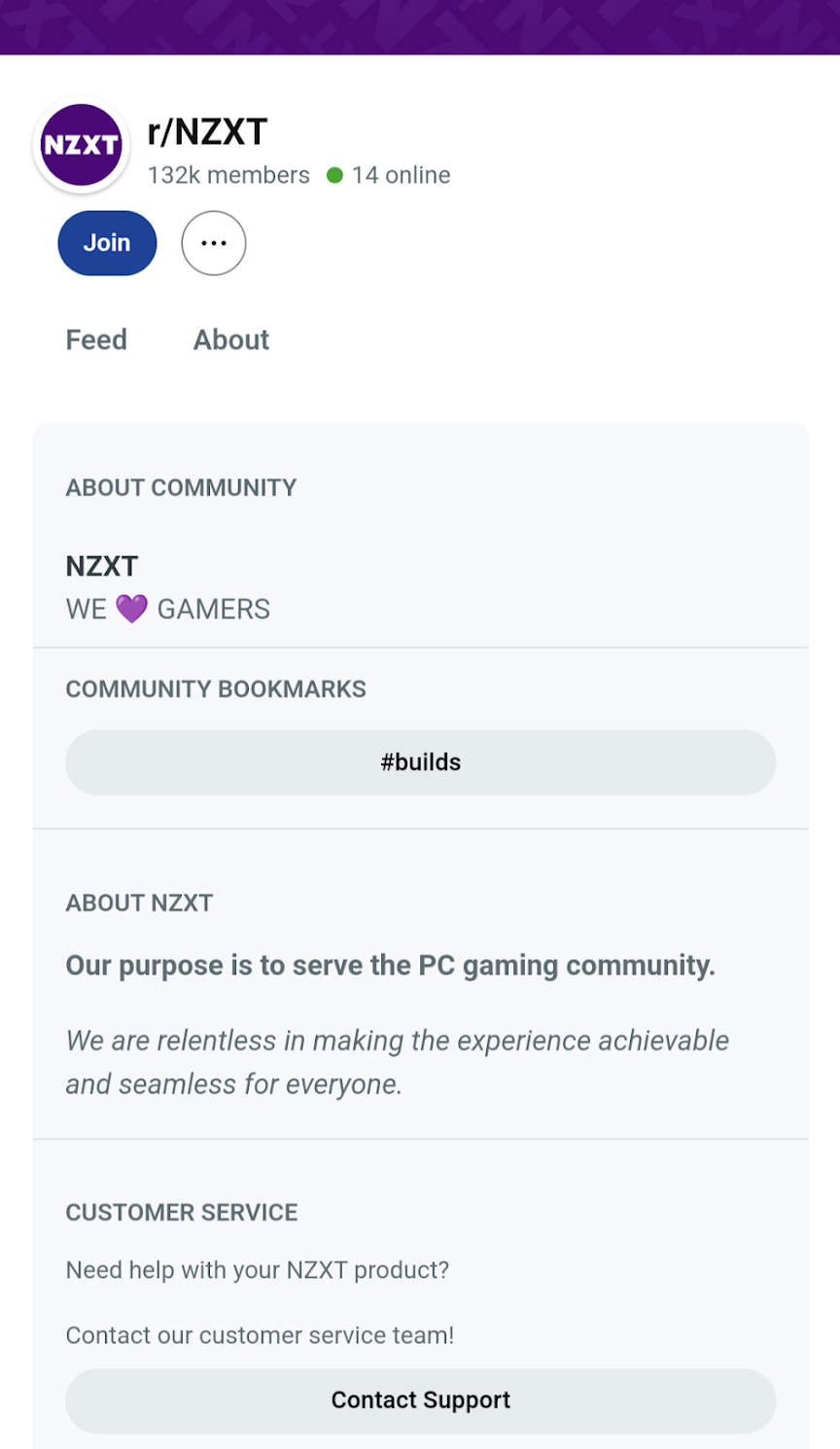
NZXT adopts a distinctive hybrid model that combines self-service tools with a dedicated support hub on Reddit. The brand’s subreddit boasts over 130,000 subscribers, serving as a venue for the brand to recognize and assist its community.

NZXT customer care subreddit

Source: Reddit

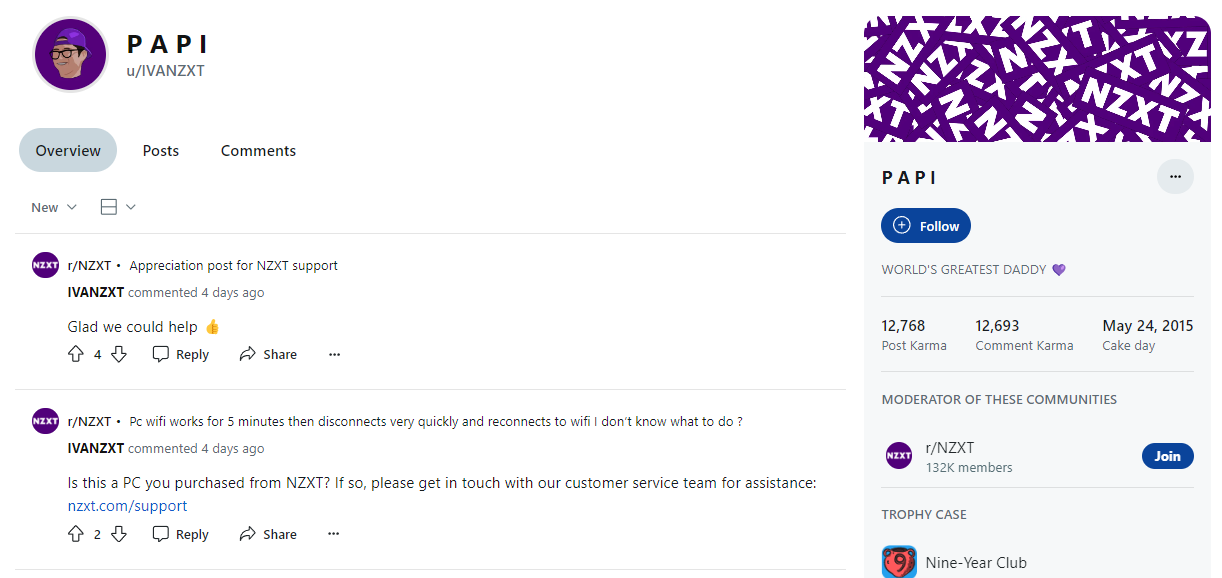
The company has a dedicated representative who engages on Reddit and expedites care by directing service tickets. This exemplifies a significant enhancement in customer service efficiency. The brand prioritizes high-visibility tickets for prompt attention.

NZXT customer care rep

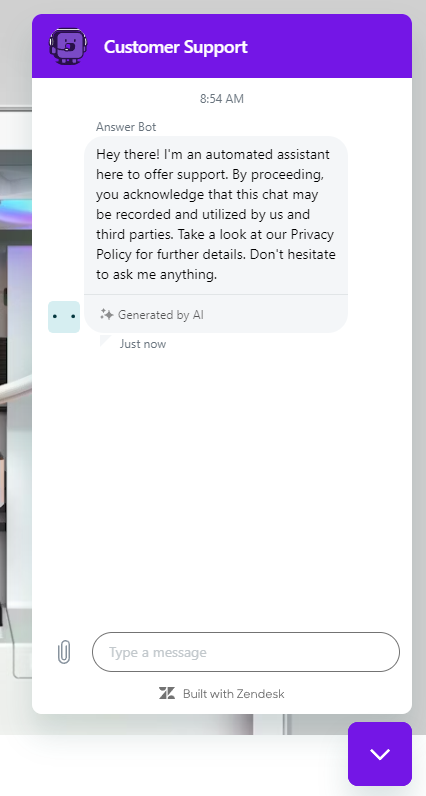
Additionally, NZXT provides an on-site chatbot for those who favor self-service options.

NZXT chatbot for customer engagement

Chewy

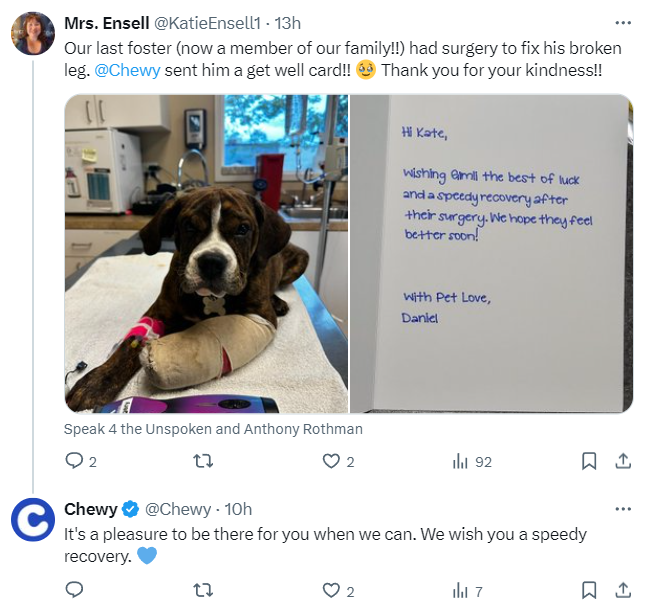
Chewy is distinguished for its customer engagement model, which emphasizes retention. The company’s customer-centric marketing revolves around putting customers first. They respond with personalized gifts, handwritten notes, and swift replies to social media followers.

The brand enjoys constant recognition and user-generated content due to its meticulous attention to detail and consistency in this arena.

chewy customer engagement example

Source: Twitter

This showcases how brands that exceed expectations can experience tangible business impacts from their efforts. Similarly, Chewy exemplifies why social media should be central to your customer experience strategy.

HubSpot

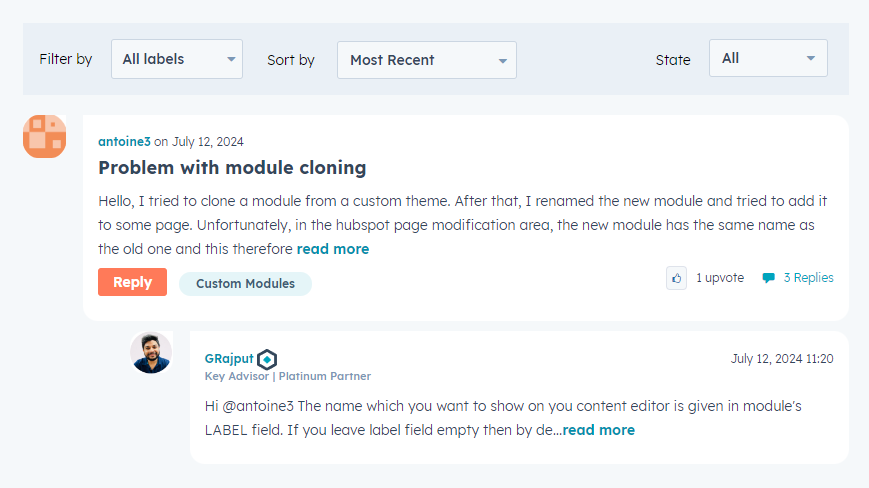
Like many SaaS companies, HubSpot adopts a hybrid model due to the vast spectrum it covers. From enterprise clients to smaller accounts and free users, each tier demands varying levels of customer support from high-touch to low-touch. Establishing service tiers is important when customer requirements vary significantly.

For instance, enterprise clients receive dedicated CSMs to assist with issues. The company also hosts an extensive community portal where employees and advocates address inquiries from fellow customers.

HubSpot customer care

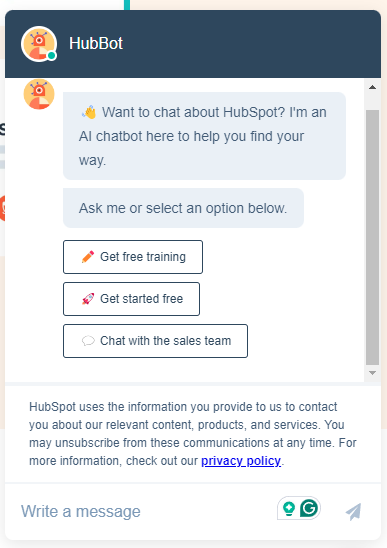
Moreover, the company provides a comprehensive knowledge base and onboarding resources for both new and existing customers. HubSpot also utilizes chatbots to help guide customers to the appropriate solutions.

hubspot chatbot for customer care

Sweetwater

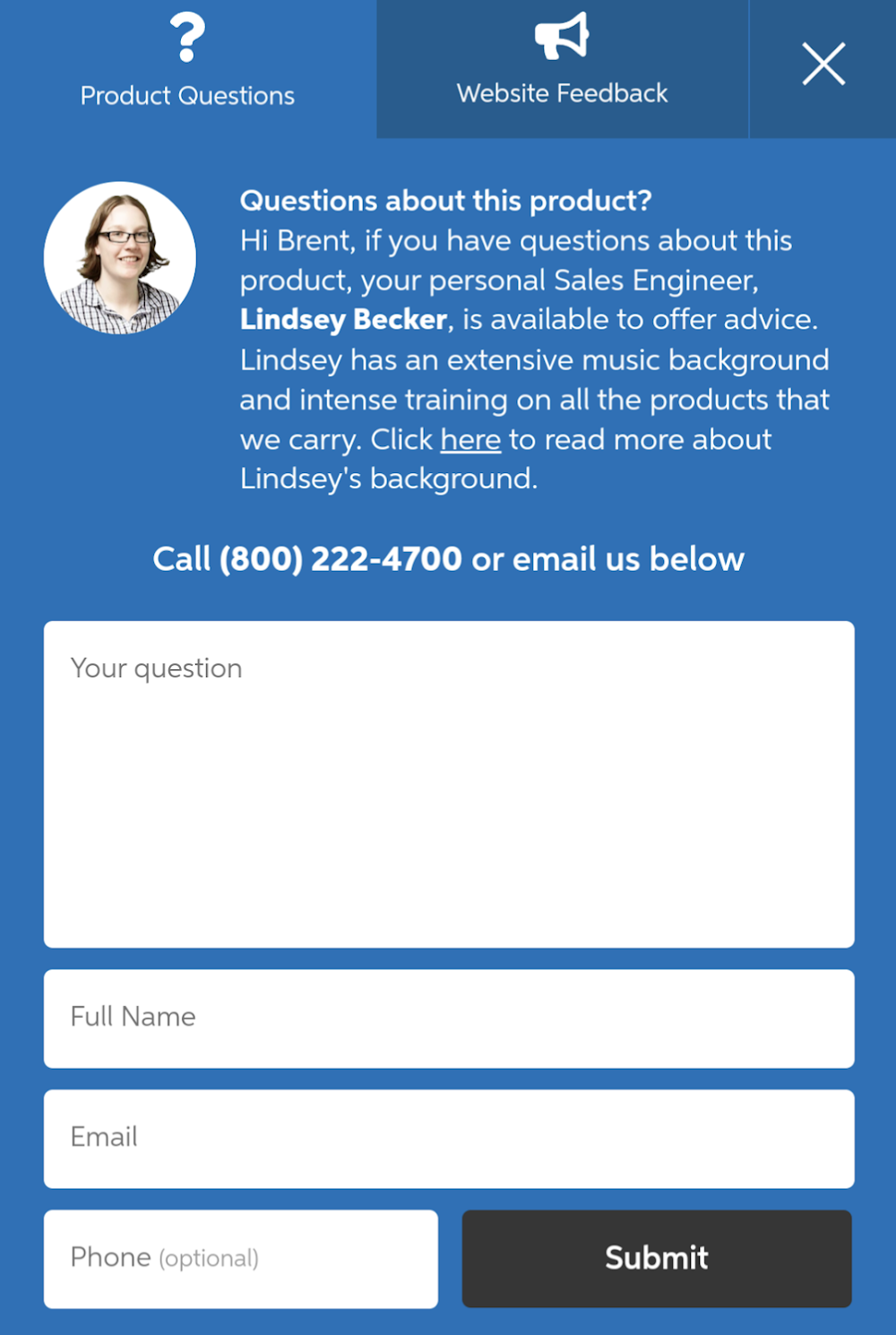
Sweetwater serves as a prime instance of a high-touch customer engagement model. When a customer makes a purchase with Sweetwater, they are assigned a dedicated sales engineer and representative. These team members are chosen based on the customer’s preferred products. For instance, certain reps excel in DJ equipment while others are specialists in acoustic guitars.

sweetwater customer care example

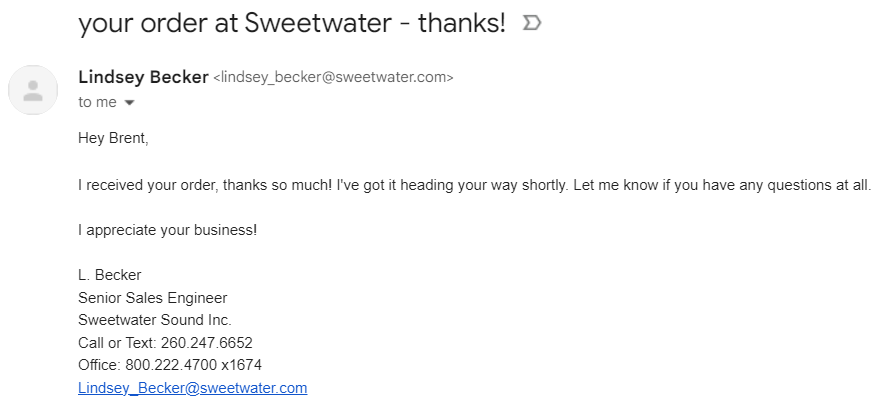
These representatives proactively follow up with customers through both digital and phone contact. The brand employs automation in combination with personal interactions, such as check-ins via phone and text, exemplifying how a multichannel strategy is essential for engaging modern customers.

sweetwater follow-up email

Canva

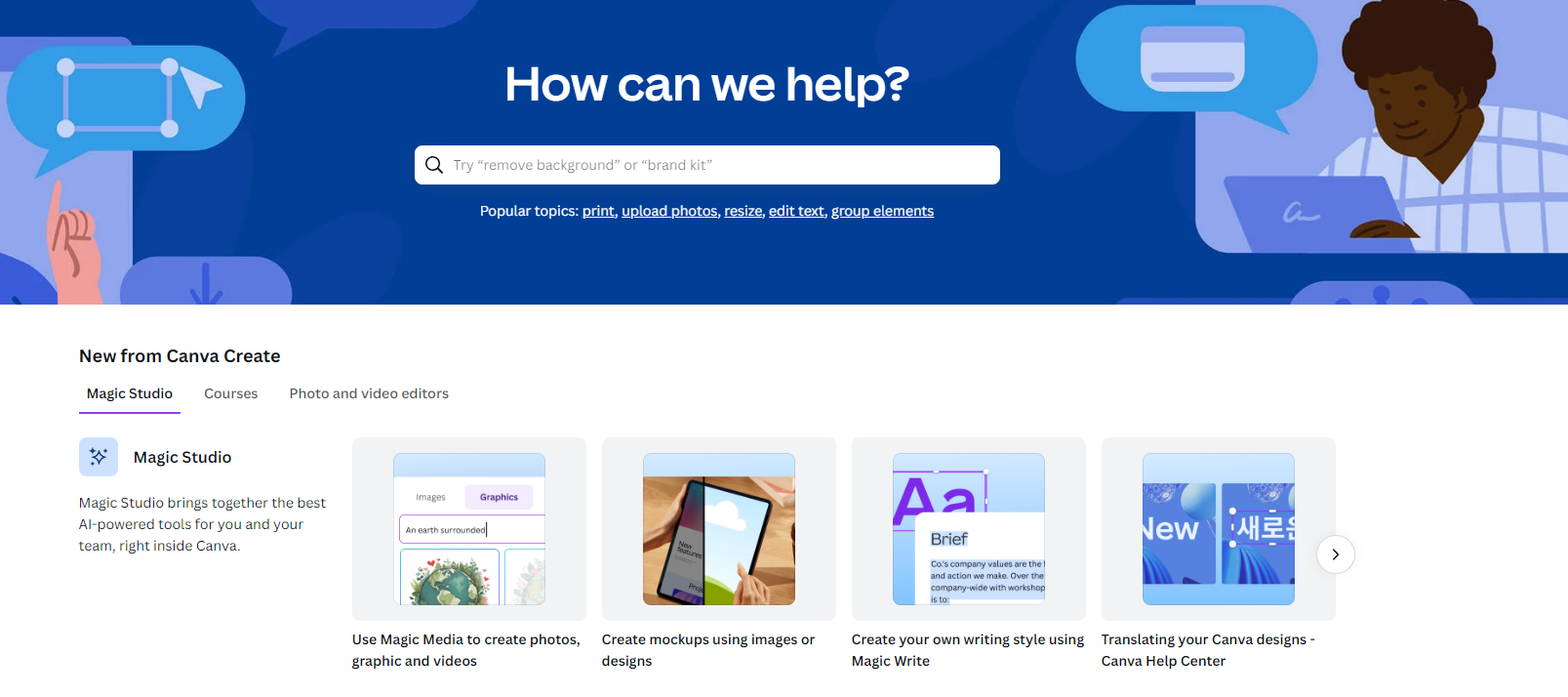
Canva showcases how a low-touch customer engagement model effectively serves SaaS businesses. The company features an expansive knowledge base, organized by specific use cases and product features. Given its substantial base of free users, this approach is particularly effective for providing assistance to a large audience.

canva knowledge base example

Salesforce

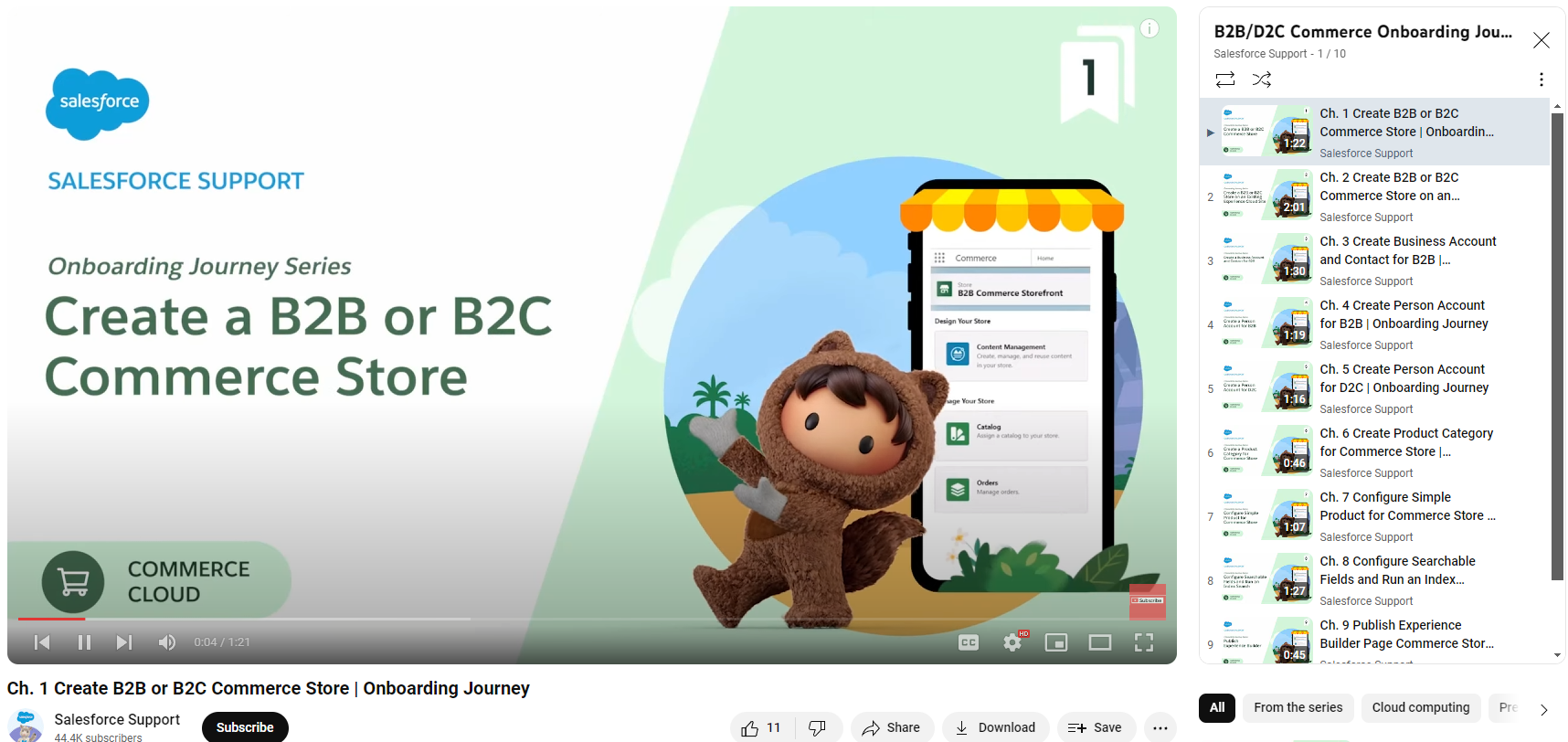
Meanwhile, Salesforce offers a multitude of onboarding resources across various formats. This includes YouTube playlists alongside other video and written tutorials. This versatility empowers customers to begin at their own pace and demonstrates how a low-touch model can be effectively implemented for specific tasks.

salesforce onboarding video example

Experience Sprout Social: Revolutionize Your Customer Experience Now

Indeed, the prospect of establishing a customer engagement model can feel intimidating.

The encouraging part? You may already possess the fundamental elements of a solid model but simply need to integrate them. It involves identifying the gaps and filling them with the appropriate strategy and tools.

Regardless, offering exceptional social customer service is crucial for expanding your business and generating positive word-of-mouth. The more comprehensive your support, the better your results.

If you haven’t yet, we encourage you to test Sprout Social to discover how you can enhance your company’s customer experience and foster genuine brand loyalty.

The post Customer engagement models: Optimize your Customer Care strategy appeared first on Sprout Social.

Read More

Analysis of 50 Job Descriptions in Social Media: Perspectives on the Present Environment of Social Media Professions

Have you recently navigated through LinkedIn and caught yourself thinking, “Is there something unique about social media job listings?,” well, you’re not mistaken.

We conducted an examination of 50 distinct social media job postings to gain insights into the skills and experience that brands expect from applicants. What we discovered were social media positions showcasing heightened levels of specialization and complexity—pointing to the future of social roles.

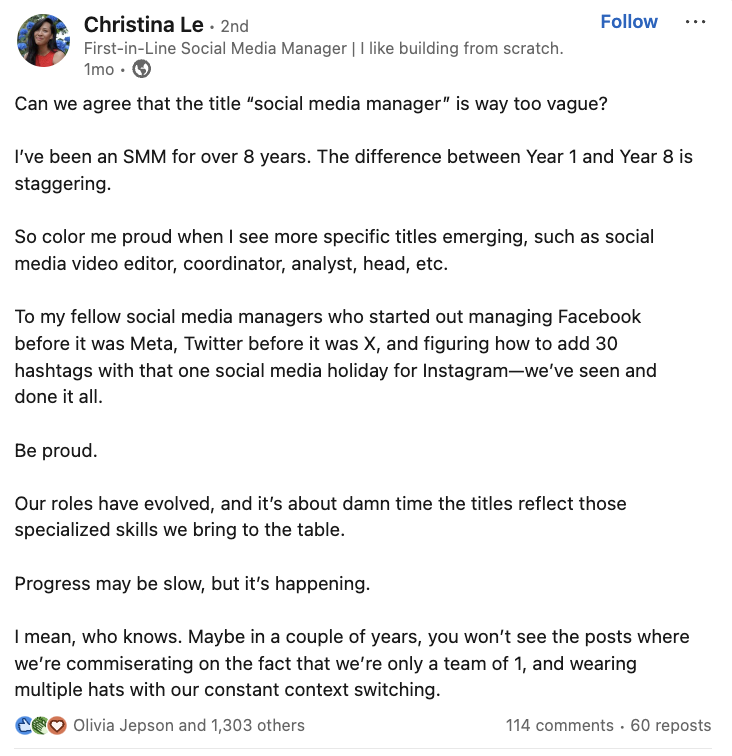
A LinkedIn post from a social media manager discussing changes in the role over the last eight years, expressing satisfaction with the emergence of more specific titles

We also identified a deficiency in industry standardization regarding career levels and remuneration, factors that adversely impact job longevity. A Q3 2023 Sprout Pulse Survey revealed that two primary reasons marketers would remain in social roles are financial incentives and opportunities for advancement. Yet, 42% intend to leave social marketing in the near future—indicating a need for clearer roles and pay—which begins with job postings.

Let’s explore our comprehensive analysis and why—despite some areas needing enhancement—career outlooks for social marketers are improving.

About the data: For this report, we examined 50 social media job descriptions from various locations, brands, and sectors. The positions primarily focused on specialist, strategist, manager, and director roles. Data was gathered from May 15 to May 24, 2024.

The distinction between strategists and managers is ambiguous

Initially in social media, most professionals were labeled either as “interns” or “managers,” leading to confusion about the experience necessary to secure each job title currently.

The credentials expected of a strategist often closely resemble those of a manager. In some scenarios, manager roles may call for fewer years of experience and reduced responsibilities.

A visual comparison of required experience for strategist (4.8 years), manager (3.7 years), and director (8.5 years) roles

Numerous social media manager job postings we reviewed indicated the management of a team of direct reports—including strategists, coordinators, or interns—but many did not. The distinction between strategists and managers frequently came down to semantics.

Observe how this strategist position holds more extensive responsibilities compared to this manager role when juxtaposed.

Strategist:

  • Years of experience: 10 years
  • Compensation range: $145,000-$165,000
  • Responsibilities: people management, video content production, social listening, and paid social
  • Company size: 1,300+ employees

Manager:

  • Years of experience: 3-5 years
  • Compensation range: $113,050-$234,000
  • Responsibilities: video content production
  • Company size: 700+ employees

Key takeaway: The decision to hire a strategist or manager ultimately hinges on your team’s structure and business requirements. It’s important to critically assess the responsibilities assigned to a prospective employee and how they compare to the career bands within other departments of your organization. Ensure that clear career advancement paths are established for both strategists and managers, preventing any one employee from being overburdened with responsibilities.

Variable salary ranges highlight the lack of industry standardization

Our research shows that compensation for social marketers experiences significant growth as one ascends the corporate hierarchy. However, the disparities from top to bottom are more pronounced than in other sectors, such as finance or sales. While some specialists earn as little as $20/hour, listings for senior managers indicate salaries as high as $360,000.

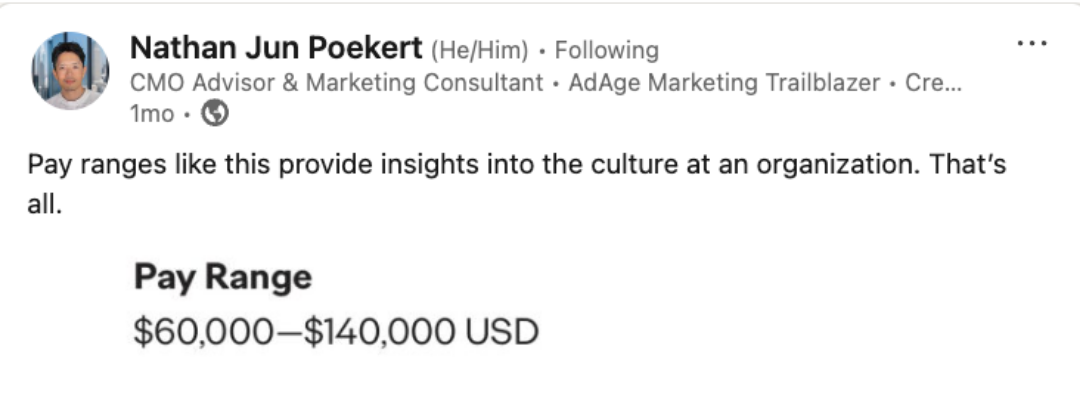
Taking a closer look, there are broad compensation ranges at every tier of the social media profession, and sometimes discrepancies can be found even within a single job description. Companies are often sending mixed signals regarding the actual compensation for open positions, a warning sign for many job seekers.

A LinkedIn post by a creator highlighting a salary range from $60,000 to $140,000, commenting on its insights into an organization's culture

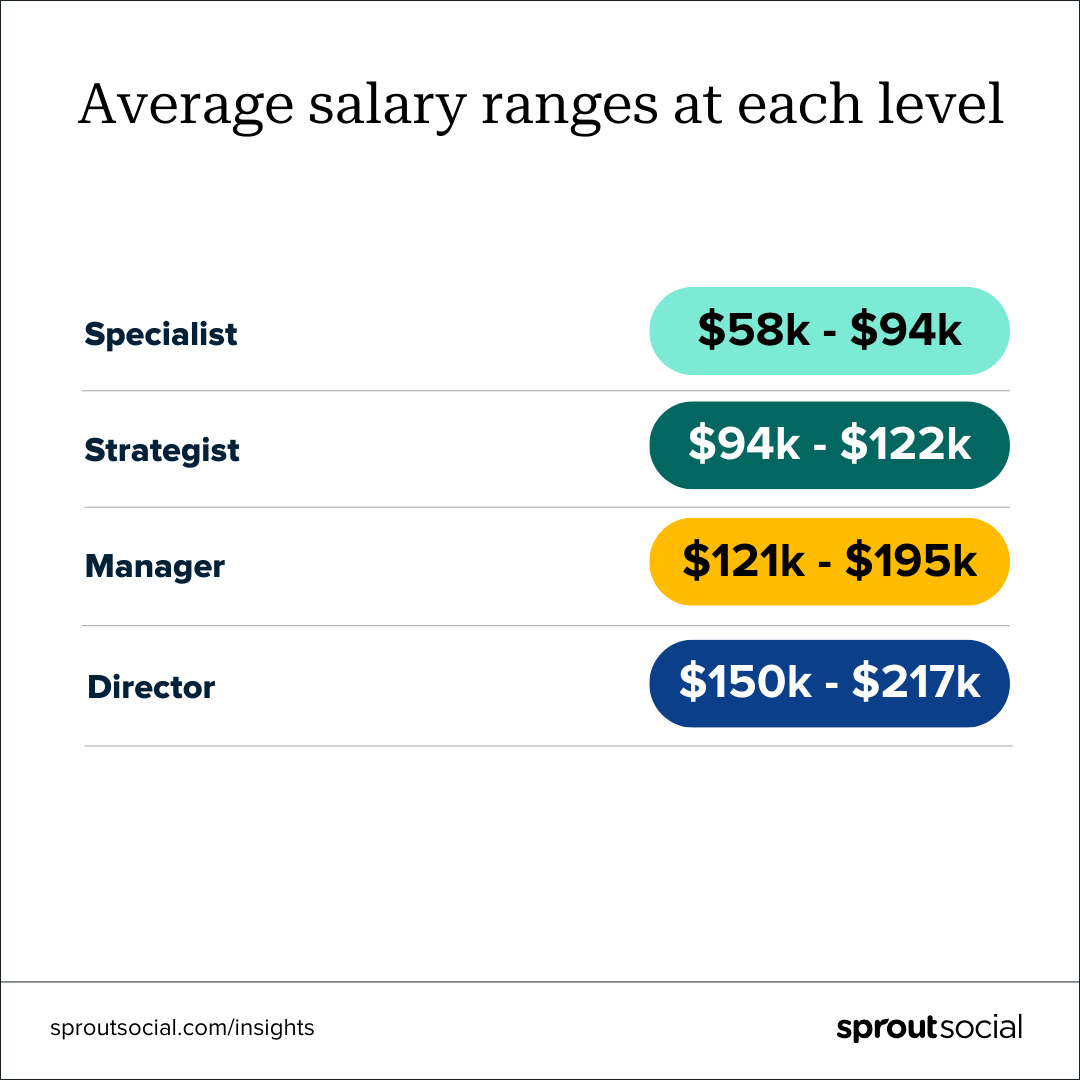
According to our findings, specialists can earn an annual average of up to $93,654, strategists can reach up to $121,800, managers can earn up to $194,721, and directors can make up to $216,570. However, there is a wide range of salaries at each level, providing candidates with considerable room to negotiate.

A graphical representation of average salaries for specialists, strategists, managers, and directors in the field of social media

Key takeaway: The lower limit of your compensation range should not dip below half of the upper limit. Collaborate with your HR partners to create ranges that align with industry norms, synchronize with other internal departments, and adequately reward individuals for their contributions and expertise. Provide transparency regarding a realistic salary range in your job descriptions and during candidate interviews, as well as the criteria that would qualify someone for the upper end of that range.

Job duties are becoming increasingly complex

Throughout the 50 job descriptions we analyzed, we identified responsibilities that exhibited a higher degree of social media maturity, such as customer care, social listening, community management, paid social, and influencer marketing.

Here are our findings:

  • Only 26% of the listings included customer care, suggesting those responsibilities are handled elsewhere in the organization.
  • Almost half (46%) included influencer marketing as a primary responsibility.
  • Most director-level listings emphasized social listening and insights, with those roles offering significantly higher salary averages ($120,513 vs. $93,162).
  • Paid social responsibilities correlate with higher average salary bases in contrast to those solely handling organic social ($116,615 vs. $100,693).

These insights highlight the valuable role that skills like data analysis and content amplification play, shedding light on the future structure of social teams. As social teams expand, these increasingly intricate responsibilities will lead to the emergence of new roles (some are already manifesting), such as analysts, community managers, paid media specialists, influencer marketing managers, and customer care specialists.

Key takeaway: As you plan how to expand your social team, consider how roles can evolve to become more specialized and driven by data—ultimately yielding a higher quality of work and return on investment.

Experience with video-centric platforms is at a premium

The appetite for short-form video content continues to rise. A Q4 2023 Sprout Pulse Survey noted that 81% of consumers want brands to produce more short-form (≤15-30 seconds) video content this year. Another Q1 2024 Sprout Pulse Survey found that consumers are most likely to discover new products on Instagram (61%), Facebook (60%), and TikTok (46%), highlighting the necessity of developing video-focused feeds.

A statistic call-out indicating that 81% of consumers want brands to produce more short-form video this year

To cater to this growing demand, brands are seeking to hire more video content creators to integrate into their social media teams. Positions that list TikTok and YouTube as requirements exhibit higher starting salary ranges compared to those that do not—indicating that companies recognize the value of video content and the individuals who specialize in it.

Additionally, we noticed that half of the job listings specify a desire for candidates who are “extremely online” and connected to internet culture, reflecting today’s rapid trend cycle driven by short-form video.

A statistic call-out stating that 50% of social media job descriptions express a preference for candidates who are extremely online

Video content production does not eliminate the need for static image and text-based social expertise, however. Nearly half of all job descriptions we assessed still reference X (previously Twitter). The newer platform Threads was mentioned less frequently, indicating that many brands are still testing its effectiveness and deciding how to integrate it into their strategies.

Key takeaway: Skills in video content production are valuable and candidates possessing this expertise will likely seek higher salaries. Incorporate this into your financial planning. However, do not underestimate the significance of static content creation and copywriting.

Build a top-tier social media team

Social media has transitioned into a fundamental business function. What’s next? It’s apparent that many brands are still navigating the complexities of what an advanced social team truly entails.

Our research revealed an expanding level of specialization and sophistication within social jobs, alongside a lack of standardization in career levels and pay. As this landscape evolves, companies must offer clearer advancement opportunities and competitive compensation. Despite these hurdles, the increasing demand for advanced skills, particularly in video content production and data-driven strategies, suggests greater recognition and opportunities for social marketers.

For job seekers, this developing market signals a need to refine your skills and demand higher standards from potential employers. For marketing leaders and hiring managers, it’s time to strategically consider how to assemble a social team that satisfies future needs and fosters growth for both your organization and your personnel.

Download this social media organization chart guide to establish, expand, and fortify a vibrant social media department.

The post We examined 50 social media job descriptions: Here’s what we discovered about the state of social careers first appeared on Sprout Social.

Read More

Top 5 Open-Source Content Management Systems for 2024

Are you working on a project with a tight budget? Check out our list of open-source content management systems (CMS) in 2024. Budget limitations might make open-source CMS solutions more attractive since they often come without licensing fees. This will reduce overall project costs. This guide will help you discover their unique features and choose […]

The post The Best Open-Source CMS in 2024 (5 Top Picks) appeared first on Elegant Themes Blog.

Read More

“Top 5 WordPress Portfolio Themes to Enhance Your Online Presence”

5 Awesome Portfolio Themes for WordPress appeared first on WPeka.

Having a fine website is a prerequisite for representing your business in an attractive way for online as well as offline platforms. Know your business needs and accordingly choose the features and elements for your website. If you are searching …

5 Awesome Portfolio Themes for WordPress Read More »

5 Awesome Portfolio Themes for WordPress appeared first on WPeka.

Read More