
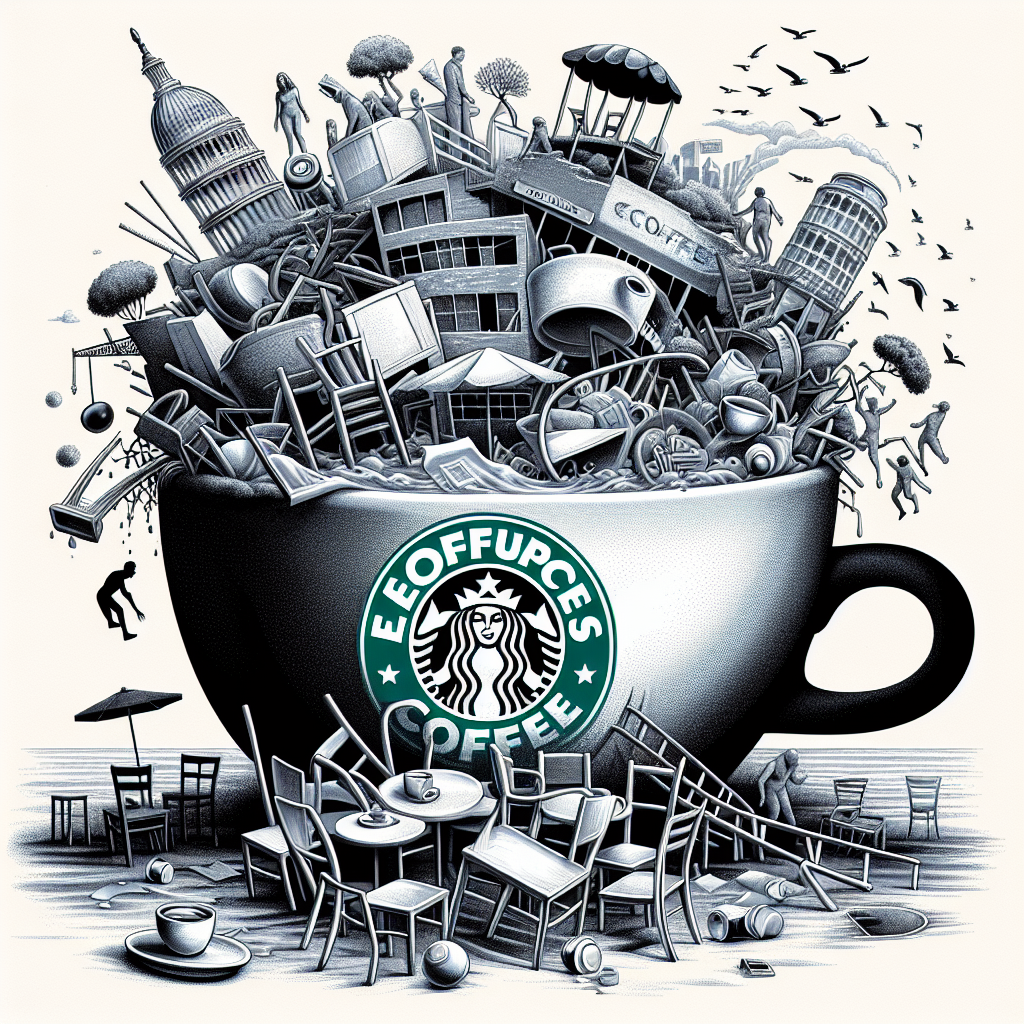

The aroma of freshly ground coffee beans filled the air as I stepped into the Seattle Starbucks in the late 1990s. A college student on the brink of adulthood, I was drawn to Starbucks’ promise of sophistication. More than just a beverage, Starbucks introduced me to a new coffee culture.
As I approached the counter, I ordered my first tall latte, or maybe it was a grande; I can’t quite remember, but I do recall having a new, more sophisticated way to say small, medium or large. The barista, another term I had not yet been familiar with, called out my name and handed me a warm cup with my name written on it with a sharpie — I appreciated the acknowledgment.
The baristas became familiar faces at my local Starbucks, offering encouragement during stressful exam periods or congratulations when we celebrated our achievements. Looking back, I realize that Starbucks provided more than caffeine and a place to sit. It offered a sense of belonging, a space where ideas could flourish and connections could deepen. It truly embodied the concept of a “third place” — not home, not school, but a vital space in between where community and creativity thrived.
With its comfortable atmosphere, free Wi-Fi and various beverage and food options, Starbucks embodies the third place. It invented a model mimicked by many other now-successful businesses.
The Starbucks effect: A global phenomenon
By the mid-2000s, Starbucks was a global phenomenon, with the iconic green mermaid logo adorning street corners, airports and highway rest stops worldwide. While this rapid expansion cemented Starbucks’ place in millions of daily routines, it significantly impacted its role as a third place. It compromised the unique ambiance and sense of community once integral to its success.
While not the “third place” anymore, there is no doubt Starbucks has a storied history of innovation, including innovative product offerings, effective marketing strategies and a strong brand identity. Key trends contributing to its success include personalized drinks, seasonal beverages like PSL and the pink drink, tea-based drinks, social media engagement, partnerships and collaborations and limited-edition offerings. These trends and Starbucks’ commitment to quality consistency and customer service built enduring popularity and success.
Dig deeper: Building a brand strategy: Essentials for long-term success
From peak popularity to a troubled brew
While Starbucks enjoys immense success, the coffee giant is not the dominant force it once was.
The digital revolution: A double-edged sword
Starbucks’ mobile app, initially a boon for customer convenience and loyalty, inadvertently contributed to a decline in the traditional in-store experience. When they first came to the store, the surge in mobile orders overwhelmed baristas, leading to wait times, coffee getting cold and customer confusion. But all that changed in the pandemic.
The pandemic: A catalyst for change
The COVID-19 pandemic accelerated the shift toward digital consumer behavior, forcing businesses to adapt rapidly. Starbucks, already investing in its mobile app, was well-positioned to meet the increased demand for contactless services. As in-person interactions became limited, the company’s digital channels became even more crucial. This unexpected turn of events highlighted the importance of a robust digital infrastructure and showcased the resilience of the Starbucks brand.
Despite the challenges posed by the pandemic, Starbucks’ ability to pivot towards digital solutions enabled it to maintain its market position and even thrive in the changing landscape. But what are the consequences of this changing consumer behavior for Starbucks? For consumers for everyone?
A brewing storm: challenges facing Starbucks
The company’s digital pivot pushed it away from its vision as a community gathering place. This shift in consumer behavior means Starbucks has to redefine its role in the post-pandemic era.
Now, it faces other challenges, as well. The rising cost of that once-affordable luxury is making me and many others, reconsider our coffee habits. There is increased competition from local coffee shops and other chains that offer unique experiences and/or lower prices.
A new era for Starbucks?
I am a loyal customer who is disappointed by Starbucks’ decline. The days of indulging in a $6 latte during a coffee break at Starbucks seem like a distant memory. Today, I have plenty of choices. In these challenging times, my trusty French press at home suffices. If I decide to go out for coffee, there are numerous independent cafés I’d choose over Starbucks.
When the brand focused on building a premium experience that spoke to quality, community and a distinct coffee culture, promotions were subtly designed to enhance its allure without cheapening its image.
Today aggressive discounts, like this summer’s “50% Off Fridays,” reflect a stark departure from that strategy. These offers feel less like a celebration of the brand and more like a desperate attempt to draw in customers, signaling a shift from brand-building to quick, short-term sales tactics that erode the brand’s identity.
By straying from its roots, Starbucks is losing the edge that made it a powerhouse. The company’s unique selling proposition — its commitment to delivering premium coffee experiences in a welcoming environment — is undermined by trying to cater to everyone. To regain its glory, Starbucks must refocus on its core values and the exceptional coffee experiences that set it apart.
Dig deeper: 4 steps to becoming an experience brand
What’s behind Starbucks’ changes?
The Starbucks story highlights the delicate balance between timing, innovation and adaptability. Its early success was driven by seizing favorable market conditions and aligning with consumer trends. Its recent challenges underscore the necessity of staying ahead of the curve.
Despite significant investments in advertising and marketing, Starbucks struggles with evolving consumer preferences and intensified competition. Theis is a reminder that even the most successful companies must remain true to their identity while continually innovating to stay relevant.
Starbucks declining sales and a revolving door of CEOs, four in the last two years, are signs of a toxic culture and a company desperate to regain the mojo it once had.
The most recent CEO, Laxman Narasimhan, was only at the company for 17 months. The decision to fire Narasimhan after a relatively short tenure, particularly in the context of economic challenges affecting the coffee industry, seems hasty to some. The appointment of a new leader who is seen as highly competent pushed Starbucks stock up 25%.
During his time at Chipotle, new CEO Brian Niccol showed he could lead a company through challenging times. His commitment to transparency, customer satisfaction and continuous improvement aligns well with the values that Starbucks should strive for.
Niccol’s vision for Starbucks will require time to unfold and the company faces significant challenges. Investors and stakeholders should exercise patience and support his leadership. He needs to be able to make decisions without undue interference. Additionally, he must cultivate a culture of innovation, integrity and values-driven leadership.
While returning to Starbucks’ roots is essential, more than a cookie-cutter approach will be required. The company must adapt and evolve. Niccol must balance short-term results with long-term strategic thinking to navigate these challenges.
Reframing Starbucks: A modern-day gathering place
Starbucks’s original appeal was being a welcoming, comfortable space for people to gather, socialize and engage in intellectual pursuits. Today, the core need for connection and community remains unchanged. However, how people seek to fulfill these needs has shifted.
Modern consumers want authentic, personalized, meaningful experiences and enriching connections. Starbucks has an opportunity to reposition itself as a modern-day gathering place catering to this.
Here’s how:
- Create personalized experiences: Use technology to make tailored recommendations and experiences. This could include personalized playlists, custom coffee blends or curated reading materials.
- Foster community and connection: Organize in-store events, workshops or book clubs to encourage interaction and community. Create designated “quiet zones” for those seeking solitude and “social zones” for those looking to connect.
- Prioritize sustainability and ethical sourcing: Demonstrate a commitment to environmental responsibility and ethical business practices. This can resonate with socially conscious consumers and create a positive brand image.
- Offer high-quality, affordable products: While maintaining its premium positioning, Starbucks should also offer more affordable options and attract a wider range of consumers.
- Design stores for connection: Create inviting and comfortable spaces to encourage lingering and conversation. Consider incorporating elements like comfortable seating, natural light and plants to create a welcoming atmosphere.
By focusing on these areas, Starbucks can reclaim its original essence as a gathering place while adapting to the needs of today’s consumers. If Starbucks can again become a community hub, it will increase customer loyalty and contribute to a more connected and vibrant society.
Dig deeper: How to safeguard your brand during a digital transformation
The post The fading third place: A reflection on Starbucks and society appeared first on MarTech.
**The Decline of the ‘Third Place’: Examining Starbucks’ Role and Its Impact on Society**
In the early 2000s, Starbucks was more than just a coffee shop; it was a cultural phenomenon. It became a “third place” — a space distinct from home (the first place) and work (the second place) where people could gather, socialize, and relax. The concept of the third place, popularized by sociologist Ray Oldenburg in his 1989 book *The Great Good Place*, refers to informal public gathering spaces that foster community and social interaction. These places are essential for building social capital, promoting civic engagement, and enhancing individual well-being. However, in recent years, the role of Starbucks as a third place has diminished, reflecting broader societal changes and raising questions about the future of communal spaces in an increasingly digital and isolated world.
### Starbucks as the Quintessential Third Place
When Starbucks began its rapid expansion in the 1990s and early 2000s, it marketed itself as more than just a coffee shop. The company embraced the idea of being a “third place” where people could meet friends, read, work, or simply enjoy a cup of coffee in a welcoming, comfortable environment. The layout of Starbucks stores — with cozy seating, ambient lighting, and free Wi-Fi — was designed to encourage people to linger. The company even encouraged customers to treat the space as an extension of their living room or office, with many locations offering large communal tables and armchairs.
Starbucks’ success in creating this third place was evident in its rapid growth. By the mid-2000s, Starbucks had become a ubiquitous presence in urban and suburban areas alike, with over 30,000 stores worldwide by 2020. The company’s ability to create a sense of community and belonging, even in a globalized and increasingly impersonal world, was a key factor in its rise.
### The Decline of the Third Place at Starbucks
However, in recent years, Starbucks’ role as a third place has been in decline. Several factors have contributed to this shift, including changes in consumer behavior, corporate strategy, and broader societal trends.
1. **The Rise of Mobile Ordering and Takeout Culture**: One of the most significant changes in Starbucks’ business model has been the rise of mobile ordering and takeout. The introduction of the Starbucks app and mobile ordering in 2015 revolutionized the way customers interact with the brand. While convenient, mobile ordering has also reduced the need for customers to spend time in the store. Rather than sitting down to enjoy their coffee, many customers now grab their order and leave, reducing the opportunity for spontaneous social interactions.
2. **Store Design and Layout Changes**: In response to the growing demand for mobile orders, Starbucks has reconfigured many of its stores to prioritize efficiency over comfort. Some locations have reduced seating or eliminated it altogether, focusing instead on creating space for mobile order pickups. This shift has made it harder for customers to linger and socialize, further eroding the third place experience.
3. **The Impact of the COVID-19 Pandemic**: The COVID-19 pandemic accelerated the decline of Starbucks as a third place. During the pandemic, many Starbucks locations closed their seating areas to comply with social distancing guidelines. Even as restrictions have eased, some locations have been slow to restore full seating capacity, and customers may still be hesitant to spend extended periods in public spaces due to health concerns.
4. **The Rise of Remote Work and Digital Spaces**: The shift toward remote work and the increasing reliance on digital communication tools like Zoom, Slack, and social media have also contributed to the decline of physical third places. As more people work from home, the need for a physical space to work or meet colleagues has diminished. Additionally, the rise of online communities has, in some cases, replaced the need for face-to-face interactions in physical third places.
### The Societal Impact of the Decline of Third Places
The decline of Starbucks as a third place is emblematic of a broader trend: the erosion of informal public gathering spaces in modern society. This shift has significant implications for social cohesion, mental health, and community engagement.
1. **Social Isolation and Loneliness**: Third places play a crucial role in combating social isolation and loneliness. They provide opportunities for people to interact with others outside of their immediate social circles, fostering a sense of belonging and community. As third places like Starbucks become less accessible or less conducive to socializing, individuals may find it harder to connect with others, contributing to the growing epidemic of loneliness, particularly in urban areas.
2. **The Decline of Civic Engagement**: Third places have historically been important sites for civic engagement and public discourse. In these spaces, people from different backgrounds and perspectives can come together, exchange ideas, and engage in informal discussions about local and national issues. The decline of third places reduces opportunities for these kinds of interactions, potentially

Recent Comments