
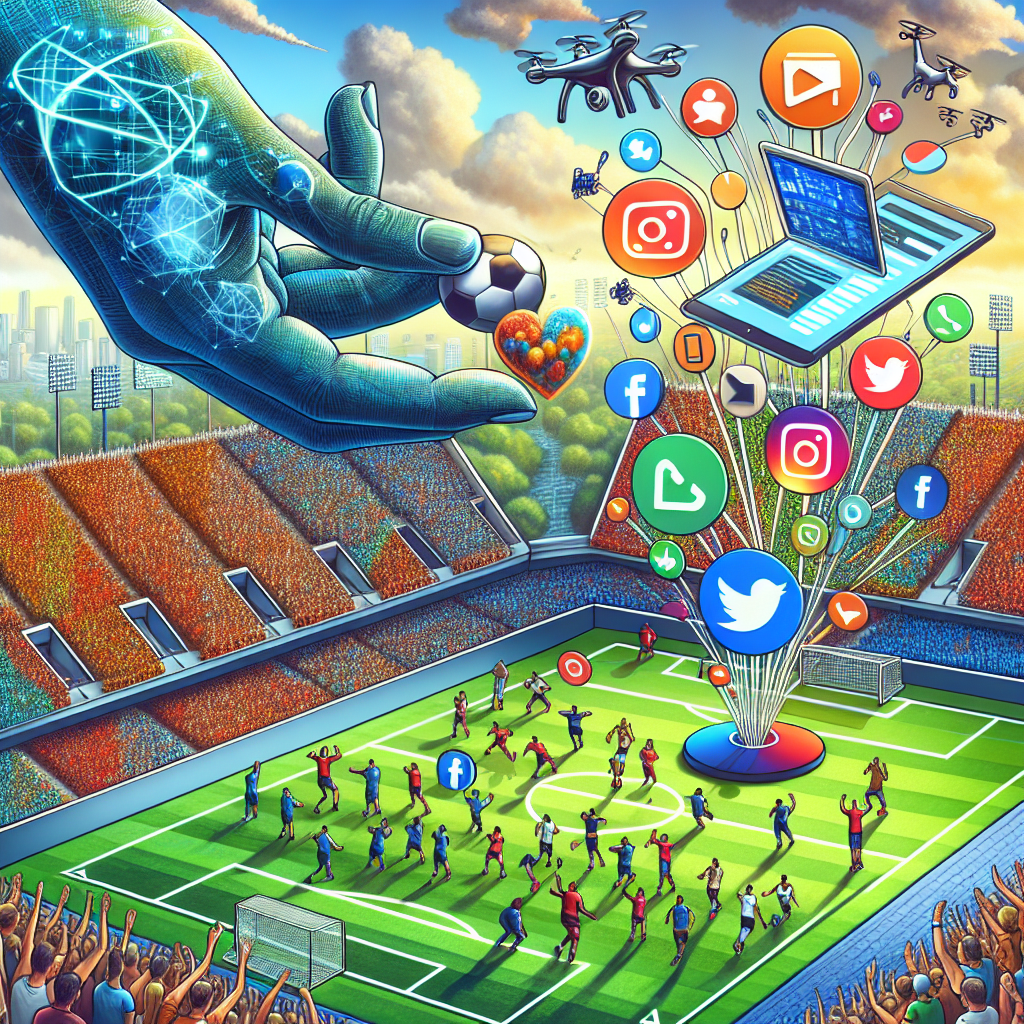
While sports marketing has been around for a while, its appearance is quite distinct. The integration of social media in sports marketing has revolutionized how fans engage with their favorite players, teams, and events.
Sports personalities—previously distant from their audience through traditional media—have evolved into our beloved influencers and regulars in our social feeds. Highlights and summaries that were once exclusive to stadiums and broadcast television can now be accessed at any time, enabling fans—not analysts—to express their thoughts in the comment sections.
Fans are no longer mere observers but are actively participating in the sports ecosystem and marketing strategies. It is the consumers who have reshaped the sports marketing landscape by investing their time and money in female, para, BIPOC, and LGBTQIA+ athletes, alongside those from various sports backgrounds. This diverse array of athletes has ignited a global renaissance in sports marketing, providing brands with opportunities to broaden their reach, particularly to fresh audiences.
Brands that have leveraged this new era of sports marketing are enhancing their visibility and positive sentiment—even if they aren’t directly connected to the sports sector. As you strategize for 2025, think about how the evolving nature of sports marketing might mesh with your objectives and plans.
Social media sports marketing bursts into popular culture
Historically, sports marketing efforts focused on a narrower audience of sports enthusiasts. Most did not recognize the advantages of featuring a variety of athletes (a notable exception being tennis legend Serena Williams). Today’s sports marketing endeavors engage diverse audiences and elevate sports figures into the cultural conversation, creating expanded opportunities for both brands and athletes.
Record-breaking interest in women’s sports
Recent media highlights such as WNBA rookie Angel Reese and rugby player Ilona Maher gracing the cover of Sports Illustrated illustrate the significant strides made in sports equity. More viewers are engaging with women’s sporting events globally than ever before, there’s heightened pressure to address the pay gap, and female athletes are celebrated for their strength rather than mere appearance.
Nonetheless, skepticism and negativity persist, as some question the capacity of female athletes to compete at elite levels and attract profitable audiences—despite contrary evidence. For instance, Google initiated a program to increase The Athletic’s coverage of women’s sports, while Ally Financial’s recent multimillion-dollar one-year sponsorship with ESPN aims to channel 90% of its investment into women’s sports. Many brands successfully reaching Gen Z demographics attribute their accomplishments to the growing interest in women’s sports.
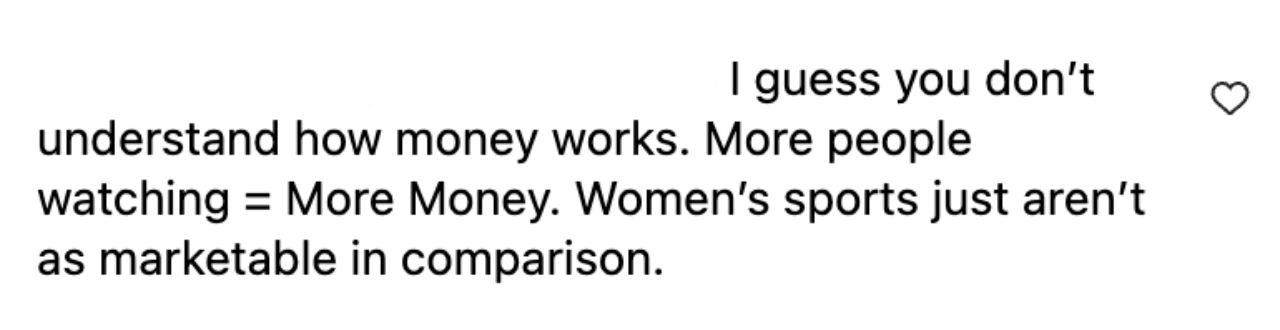
The surge in interest surrounding women’s sports reflects a broader appreciation for various underrecognized events and athletes. Many of the top campaigns in 2024 spotlight athletes from women’s leagues, para-athletes, and emerging talents. In Ad Age’s roundup of standout sports marketing initiatives for 2024, you can find campaigns like Adidas’ Runner 321, highlighting triathlete and marathon competitor Chris Nikic—Adidas’ first sponsored athlete with Down Syndrome. Another notable entry is Gatorade’s Caitlin Clark is just getting started campaign, which serves as a simple yet motivating tribute to the rookie WNBA star.

New regulations amplify chances to collaborate with athletes
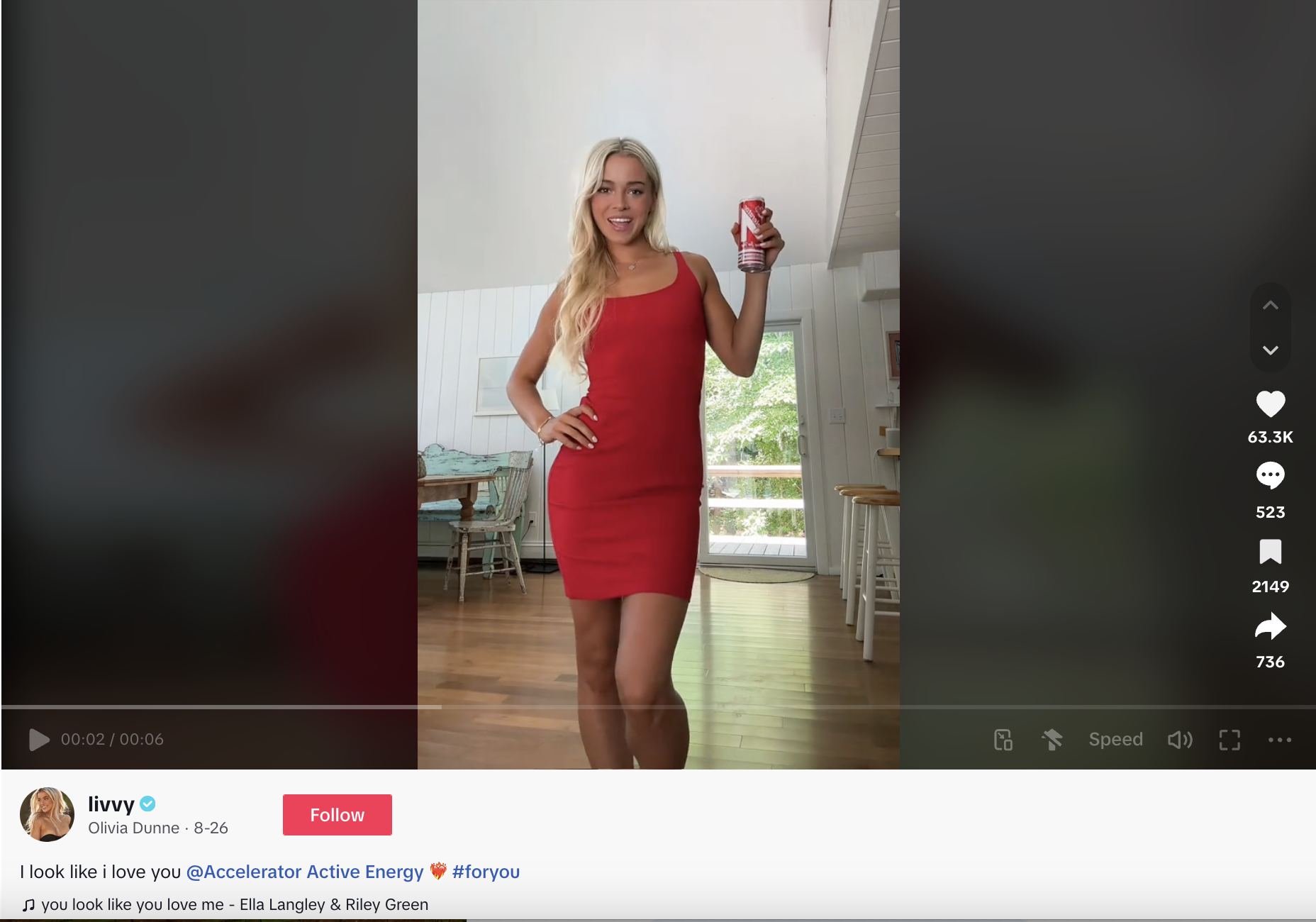
The Name, Image, Likeness (NIL) regulation introduced in 2021 significantly widened the circle of athletes available for partnership, allowing college athletes to earn from partnerships—including those who had already built a following online. A prime example is Olivia “Livvy” Dunne, the gymnast from Louisiana State University, who amassed $3.6 million in 2023 through endorsements, including her collaboration with Accelerator Active Energy. A recent post of hers about the brand received over 60,000 likes and 1.5 million views on TikTok.
Renee Samms, Principal Strategic Services Consultant at Sprout, warns brands to approach deals with young athletes ethically. “With the advent of NIL and sponsorships, college athletes have been thrust into the realm of influencer marketing. They are first and foremost athletes and students, not influencers. This new, intricate environment poses challenges for them; the choices they make and the agreements they enter could have significant repercussions for their careers beyond college. They lack the experience typical in this domain and aren’t supported by extensive teams. It is essential for brands to act responsibly and provide the best possible counsel regarding rights usage and equitable pay.”
This guidance extends to brands partnering with all athletes—especially those who are young, female, queer, or para athletes—who may be new to compensated collaborations. Brands should always presume that partnerships with athlete influencers could become public knowledge and adjust their strategies accordingly.
Brands from various sectors drawing inspiration from the sports marketing playbook
A staggering 5 billion individuals engaged with the 2022 World Cup across social media, while the 2024 summer games generated 12 billion engagements. The vast number of sports fans around the globe enables even the most unexpected brands to leverage the sports sector for co-marketing ventures and brand alliances that enhance visibility and expand their audience base.
Samms articulates it succinctly: “Sports have consistently united people. Most individuals—including celebrities—are sports enthusiasts. Following a global pandemic and other significant cultural challenges, the uplifting and motivating nature of sports holds universal appeal. People are seeking community—from social media to sports courts. This is the ideal moment for brands (from all sectors) to seize the opportunity.”
Here are several instances of brands across fields diving into sports marketing.
Food and beverage
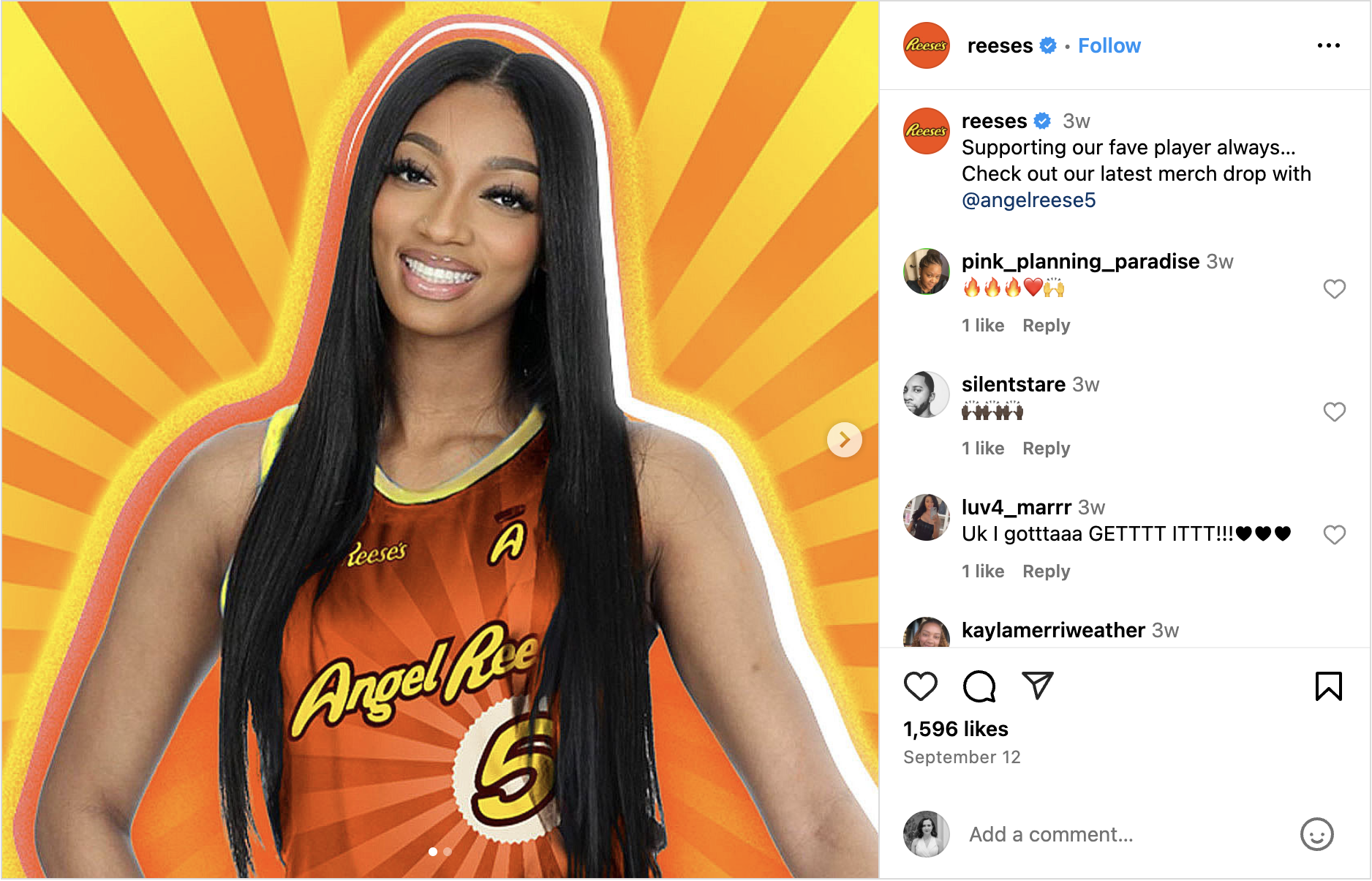
The Hershey Company recognized the social buzz surrounding their Reese’s brand and WNBA athlete Angel Reese. The confectionary giant translated that insight into surprise-and-delight marketing activations followed by a viral collaboration.
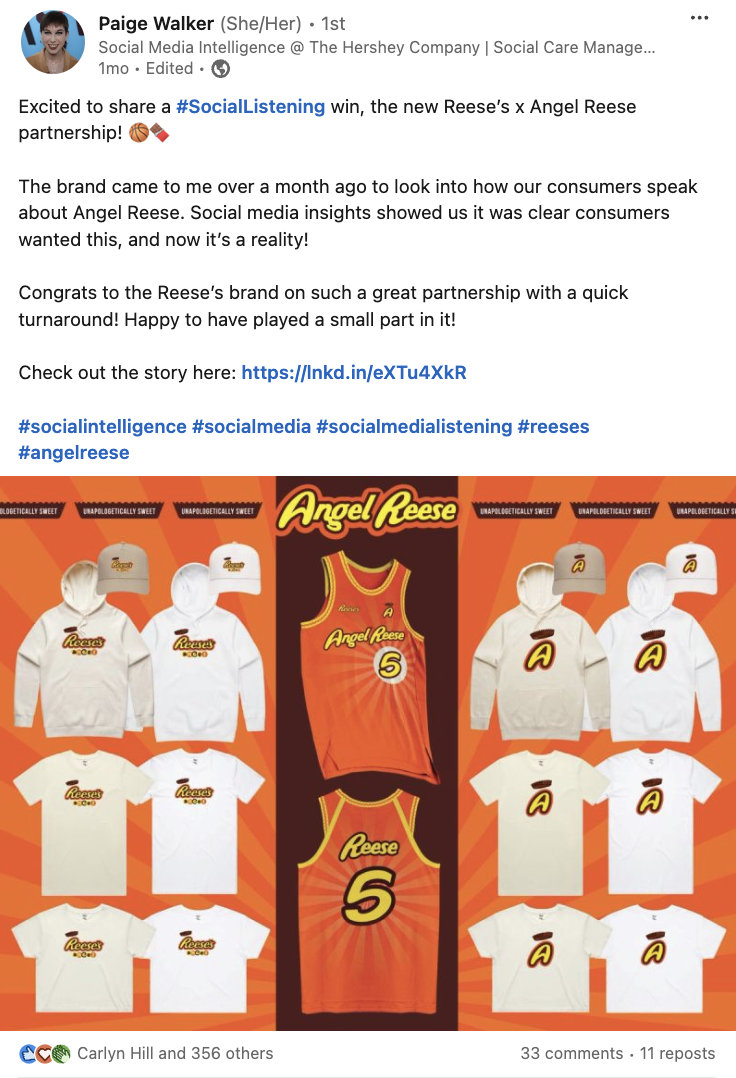
As Paige Walker, Social Media Intelligence Supervisor at The Hershey Company stated, “The campaign succeeded remarkably because we listened to our audience and Angel Reese’s supporters. Audiences value when brands consider their ideas and feedback. It fosters authentic connections. Fans continually expressed a desire for Reese’s to join forces with Angel, and we made it happen. My favorite aspect of the campaign was witnessing fan reactions—it validated our hard work!” The initiative garnered millions of views, extensive media coverage, and delighted fans.
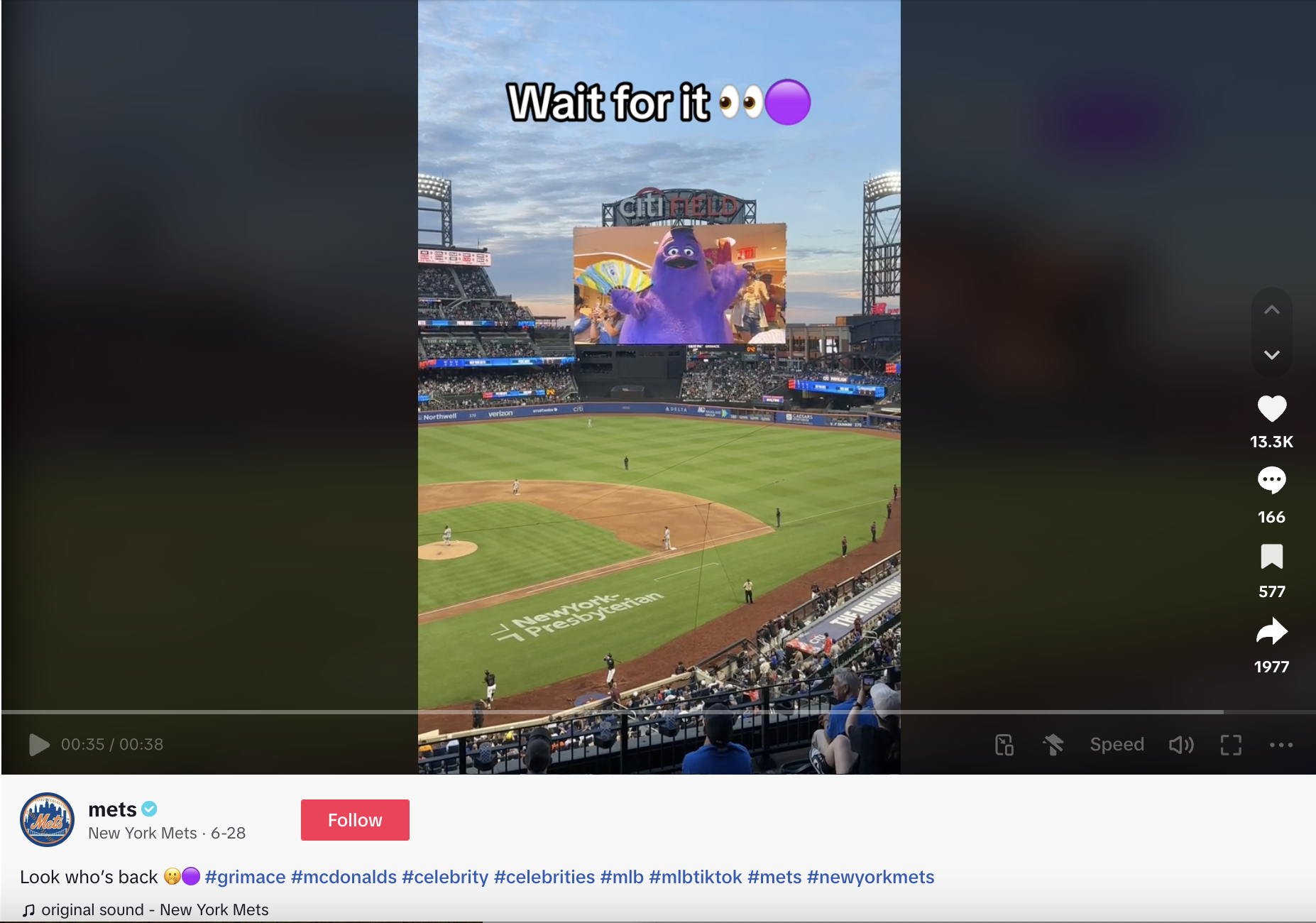
Other food and beverage brands like McDonald’s and Hellman’s are partnering with teams and athletes to create unique experiences. Such as when internet sensation Grimace threw the first pitch at a New York Mets game, becoming their good luck charm, or when Titans’ quarterback Will Levis featured in a mayo-scented fragrance campaign.
As unconventional brands enter the sports marketing realm, how can you develop a meaningful campaign? Here’s Walker’s advice: “Utilize social listening to uncover connections or opportunities in unexpected areas. You never know who is discussing your brand and in what contexts they’re utilizing your products in their daily lives. It may lead to partnerships your brand had never contemplated, but could foster greater awareness within new communities.”
Fashion
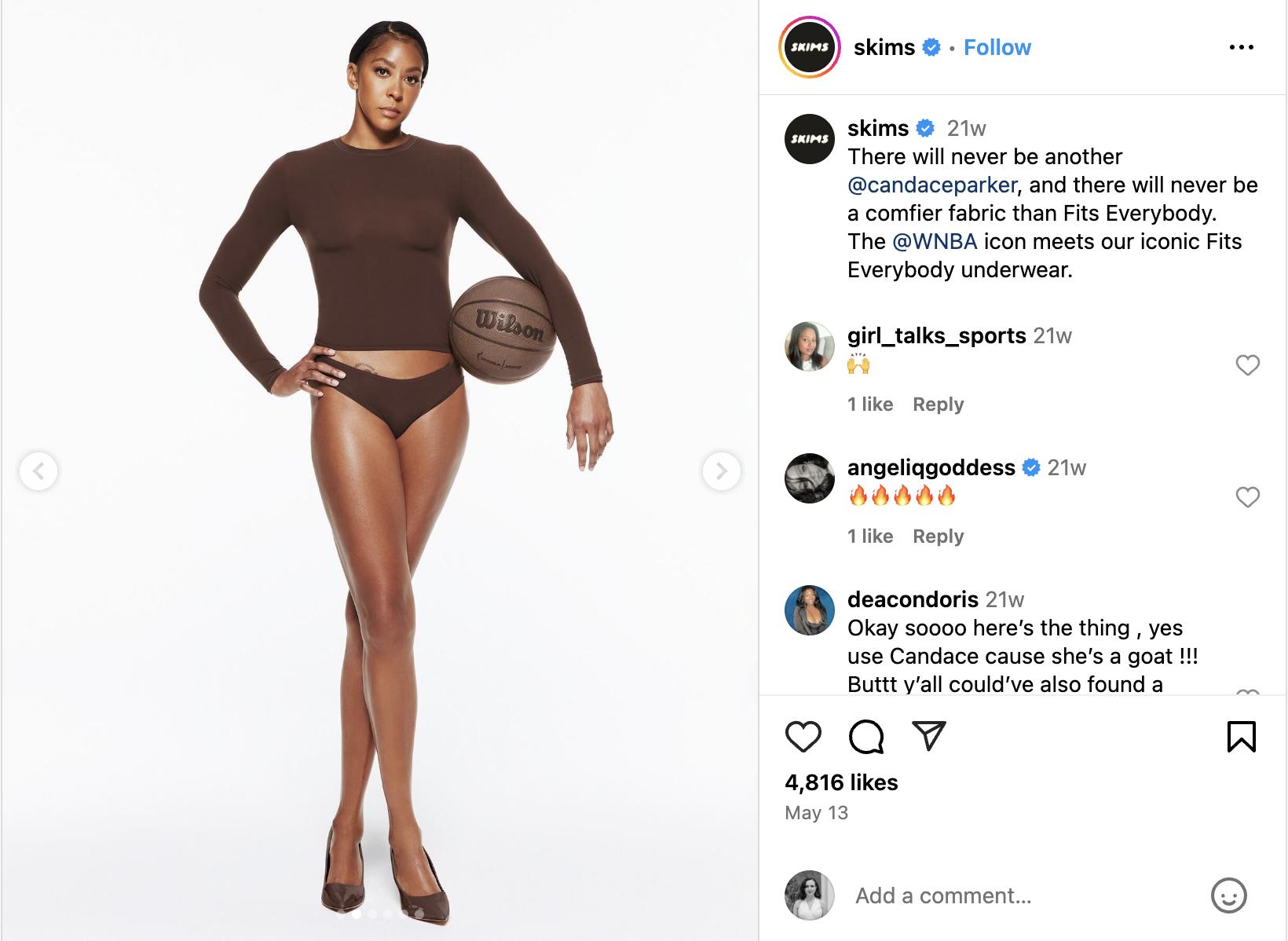
SKIMS became the official underwear partner of the WNBA this year. Though a fashion and shapewear label may not appear as a natural fit for a collaboration, the empowering campaign resonated with both basketball and fashion enthusiasts.
Other fashion labels like David Yurman and Savage x Fenty are collaborating with athletes who share a enthusiasm for both fashion and their sports.
Insurance and finance
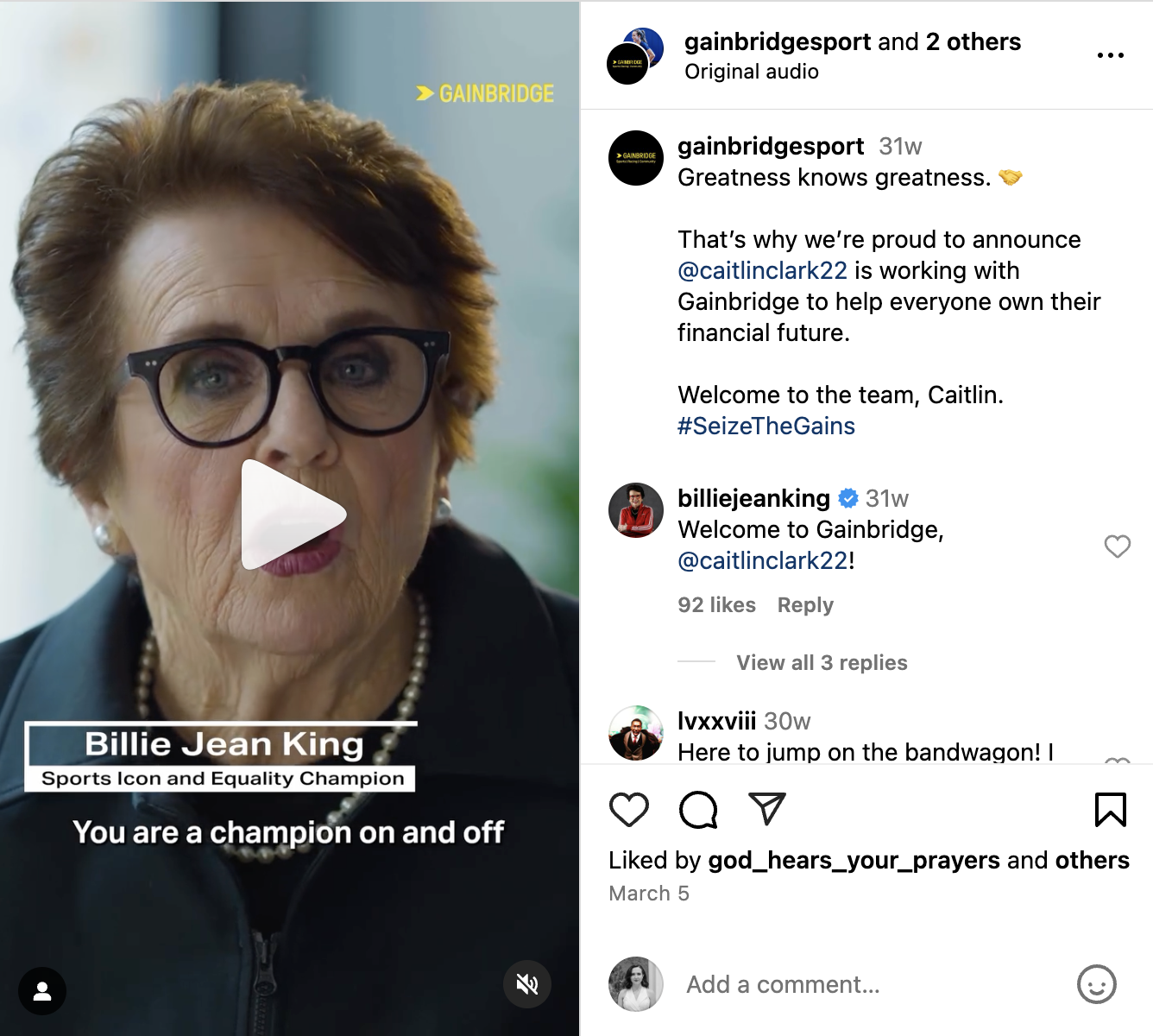
Gainbridge teamed up with athletes Caitlin Clarke, Billie Jean King, and Annika Sörenstam to advertise their product ParityFlex, an annuity designed to cater to the specific retirement needs of women.
Other insurance corporations, such as GEICO and State Farm, sponsor athletes, events, and sports associations throughout the year.
Legal considerations to keep in mind when launching sports marketing campaigns on social media
Despite the enormous potential that sports marketing offers, brands must tread carefully. The field can be particularly litigious regarding intellectual property (IP).
According to Samms, “IP rights—including the rights associated with content usage, team and league logos, and athlete names, images, and likenesses—can be challenging to navigate. It’s advisable to collaborate with a skilled legal team in these situations.”
The risks associated with poorly managed sports marketing campaigns share similarities with influencer marketing, but also involve additional complexities often originating from teams, leagues, and events. The ANA delineates two main legal issues:
- Trademark infringement: This refers to unauthorized usage of a mark that may cause “confusion, deception, or error regarding the source of goods or services.” For example, using a name similar to a league, team, or athlete, or misusing a logo, could be classified as trademark infringement. Other actions such as cybersquatting, trademark counterfeiting, or utilizing a trademarked visual could also be categorized as intentional trademark infringement. Unless you have a specific partnership established (which is notoriously challenging to secure), it is typically prudent to refrain from including sports industry IP in your content.
- Ambush marketing: This happens when a non-sponsoring entity capitalizes on the heightened visibility of an event by “executing marketing efforts intended to create an association with the event.” Ambush marketing isn’t inherently illegal, but it can lead to legal consequences from event organizers, official sponsors, and regulatory entities. For example, if a business attempts to promote a campaign tied to a specific event, athlete, or organizer, that could be interpreted as ambush marketing. Additionally, efforts to market in the actual vicinity of the event could be frowned upon.
Both areas can be ambiguous. Where do comments or involvement in a cultural phenomenon stop and IP infringement or ambush marketing begin? Your legal team should be your go-to for these clarifications. Just because they may advise you to bypass certain names, likenesses, images, or events doesn’t imply that you can’t find innovative ways to engage in the social conversation or collaborate with athletes.
Forge your own sports marketing triumphs
Sports marketing has evolved into a significantly more inclusive and engaging domain, primarily fueled by social media and the variety of athletes gaining recognition. Brands that embrace this shift can reach new demographics and foster deeper connections, tapping into the passion and loyalty of sports fans around the world.
As you develop your social media strategy for 2025, think about how the rising prominence of women’s sports and diverse athletes might synergize with your brand (including in the most unconventional manners). The countdown is on, and it’s time for brands across sectors to view sports marketing as a pivotal component of their growth strategy (with the support of their legal advisors).
If you’re seeking additional content strategy insights for marketing leaders as you approach 2025, download our CMO 2025 social content strategy pre-mortem to facilitate more fruitful planning for yourself and your team.
The post How social media changed the sports marketing game appeared first on Sprout Social.

Recent Comments