
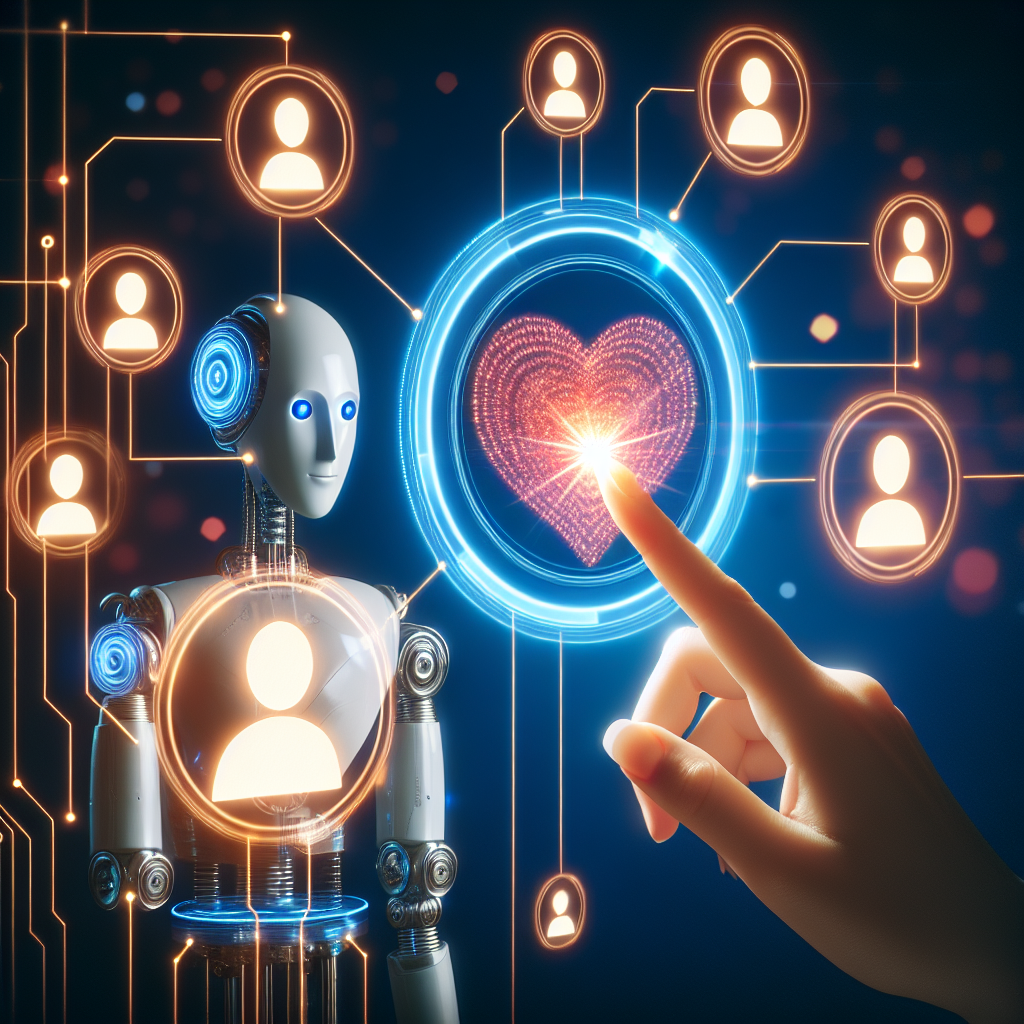

AI personalization is everywhere, but it’s not everything. Only humans can provide the genuine interaction and empathy to build lasting customer relationships. While AI can help identify your ideal customers, you must go old school to nurture them.
“AI is a magnificent tool,” said Kyle Tudor, head of sales at Perfection and Custom, at last fall’s MarTech Conference. “But your customers are still human. With increased automation, customers demand tailored experiences. And if everyone’s using AI, how do you stand out from the room of robots? You’d Be human. Authentic interactions and genuine empathy can create memorable experiences that automated responses really can’t match.”
Identifying your ideal customer profile
The first step in effective nurturing is defining your Ideal Customer Profile (ICP). This involves developing a comprehensive customer persona. Understanding who your best customers are is crucial before implementing any lead scoring or segmentation strategy.
By gaining deep insights into what drives customer decisions, businesses can better meet their expectations and build stronger connections.
Strategic nurturing
Once the ICP is defined, lead scoring becomes a valuable tool for ranking leads based on their potential value to the business. This system helps prioritize sales efforts, target key accounts and improve conversion rates. Lead scoring involves assigning points based on various demographic, firmographic and behavioral factors. Examples include awarding points for email opens or white paper downloads and deducting points for factors like a personal email address or being outside the target market.
Dig deeper: Winning the race to profitability with a dynamic ICP
Furthermore, segmentation is key to delivering relevant messaging. By dividing the audience into distinct groups based on behaviors, preferences or demographics, businesses can tailor their communication and email cadences for more meaningful engagement.
Personalized campaigns that resonate
With identified and segmented leads, the next step is creating personalized campaigns that stand out in crowded inboxes. Avoid anything that smacks of generic messaging and focus on content that speaks directly to specific pain points and interests.
“Personalization is key to differentiating yourself from the competition and providing a really personalized experience to the buyer,” Tudor said. “It’s about being very authentic and demonstrating that you understand the unique challenges and exactly what they’re looking for.”
The keys to creating effective personalization campaigns are::
- Relevance: Ensure messaging aligns with the leads’ preferences and behaviors. Deliver timely and directly applicable content.
- Timing: Send messages when the audience is most likely to engage, considering time zones and industry-specific events.
- Value Proposition: Clearly and concisely communicate what makes your offering unique and how it solves the customer’s problem.
- Specificity and brevity: Get straight to the point with short and direct messages.
- Human touch: Use conversational and relatable language, injecting personality into communications. Even slang or appropriate humor can be effective.
“This needs a consultative approach — helping buyers solve their pains, even if it’s pushing them towards the competitors,” he said. “And even if it’s not you, tailoring solutions that will help them solve those problems.”
Balancing automation and human connection
While personalization is paramount, automation can help scale efforts.
- Dynamic content allows for tailoring specific elements of messages based on recipient data.
- A/B testing helps refine content by identifying what resonates best with the audience.
The thoughtful use of automated tools ensures timely delivery without sacrificing the personalized touch. Monitor KPIs like open rates, click-through rates and conversion rates to gauge campaign effectiveness.
Ultimately, the goal is to be unique and memorable, moving beyond standard templates to create genuine connections.
Beyond the inbox: Creative engagement strategies
While AI and digital are essential, using old-school physical things — like corporate gifts, swag and direct mail — will make you truly stand out.
Corporate gifts: Focuses on building stronger relationships and showing appreciation with tailored, unbranded gifts that create memorable impressions and incentivize action.
According to Tudor:
- Companies using corporate gifting generated 30% more leads.
- Companies incentivizing prospects near the end of the sales cycle saw a 55% higher conversion rate.
- Sales teams sending gifts during the sales cycle saw a 21% decrease in the opportunity life cycle.
Swag: Branded items have their place, too. While often bought in bulk, tailoring swag to individual preferences can increase its impact.
Direct mail: Direct mail is so far out, that it’s in again. For one thing, it gets you past email inboxes already bursting at the seams. It also has a novelty factor, as people get less business-to-business mail.
And, while it may seem old-school to many, to younger generations, it is anything but.
“Well, 85% of Gen Z finds direct mail useful for capturing their interest,” Tudor said. “And 88% of millennials are excited to see any type of mail or package. And then, to be honest, I’m surprised it’s not 100%.”
Furthermore, 70% of Gen X are interested in all types of physical mail, including marketing.
Finding and connecting with the right customers is about building genuine relationships through personalized experiences. It’s about creating relevant, human-centered campaigns and thinking beyond digital to find fresh engaging ways. While technology helps scale these efforts, the heart of excellent customer engagement still comes down to authentic, empathetic interactions that build trust and loyalty—and ultimately drive conversions.
Dig deeper: How to develop a winning B2B ideal customer profile
The post AI can find your ideal customers, but only humans can build real relationships appeared first on MarTech.
# AI Can Identify Your Ideal Customers, but Human Connections Build Lasting Relationships
In today’s fast-paced digital world, businesses are increasingly turning to artificial intelligence (AI) to streamline operations, enhance marketing strategies, and improve customer experiences. AI-powered tools can analyze vast amounts of data to identify ideal customers, predict purchasing behaviors, and personalize marketing efforts. However, while AI is a powerful tool for customer acquisition, it cannot replace the human connections that build trust, loyalty, and long-term relationships.
## **AI’s Role in Identifying Ideal Customers**
AI has revolutionized the way businesses identify and target their ideal customers. By leveraging machine learning algorithms, predictive analytics, and big data, AI can:
– **Analyze Customer Data:** AI processes vast amounts of data from various sources, including social media, website interactions, and purchase history, to identify patterns and trends.
– **Segment Audiences:** AI can categorize customers based on demographics, interests, and behaviors, allowing businesses to tailor marketing campaigns to specific groups.
– **Predict Customer Behavior:** AI-driven predictive analytics help businesses anticipate customer needs, preferences, and purchasing decisions.
– **Automate Personalization:** AI enables hyper-personalized marketing by delivering customized content, product recommendations, and targeted advertisements.
These capabilities allow businesses to reach the right customers at the right time, increasing efficiency and improving conversion rates. However, while AI can identify and attract customers, it cannot replace the human touch required to foster meaningful relationships.
## **The Power of Human Connections in Customer Relationships**
While AI excels at data analysis and automation, human interaction remains essential for building trust, loyalty, and emotional connections with customers. Here’s why human relationships are irreplaceable in business:
### **1. Trust and Emotional Connection**
Customers are more likely to stay loyal to brands that make them feel valued and understood. Human interactions—whether through personalized customer service, meaningful conversations, or thoughtful gestures—create emotional bonds that AI cannot replicate.
### **2. Personalized Customer Support**
AI-powered chatbots and virtual assistants can handle routine inquiries, but complex issues often require human intervention. A knowledgeable and empathetic customer service representative can resolve problems more effectively and leave a lasting positive impression.
### **3. Relationship Building and Brand Loyalty**
Long-term customer relationships are built on trust, authenticity, and shared values. Businesses that engage with customers on a personal level—through social media interactions, community involvement, or personalized follow-ups—create a sense of belonging that fosters brand loyalty.
### **4. Adaptability and Problem-Solving**
AI operates based on data and algorithms, but human intuition and creativity are crucial for handling unique customer concerns. A human representative can adapt to unexpected situations, negotiate solutions, and provide a level of care that AI cannot match.
## **The Perfect Balance: AI and Human Interaction**
To achieve long-term success, businesses must strike a balance between AI-driven efficiency and human-centered relationship building. Here’s how:
– **Use AI for Data-Driven Insights:** Leverage AI to identify ideal customers, analyze behavior, and personalize marketing efforts.
– **Enhance Customer Service with AI and Humans:** Implement AI chatbots for quick responses but ensure human representatives are available for complex issues.
– **Personalize Customer Interactions:** Use AI to gather insights, but rely on human touchpoints—such as personalized emails, phone calls, or in-person meetings—to strengthen relationships.
– **Encourage Authentic Engagement:** Train employees to engage with customers genuinely, listen to their needs, and provide value beyond transactions.
## **Conclusion**
AI is a powerful tool for identifying and attracting ideal customers, but human connections are the foundation of lasting relationships. Businesses that integrate AI-driven insights with authentic human interactions will not only acquire customers but also build trust, loyalty, and long-term success. In the digital age, the most successful brands will be those that harness the power of AI while prioritizing meaningful human connections.

Recent Comments