
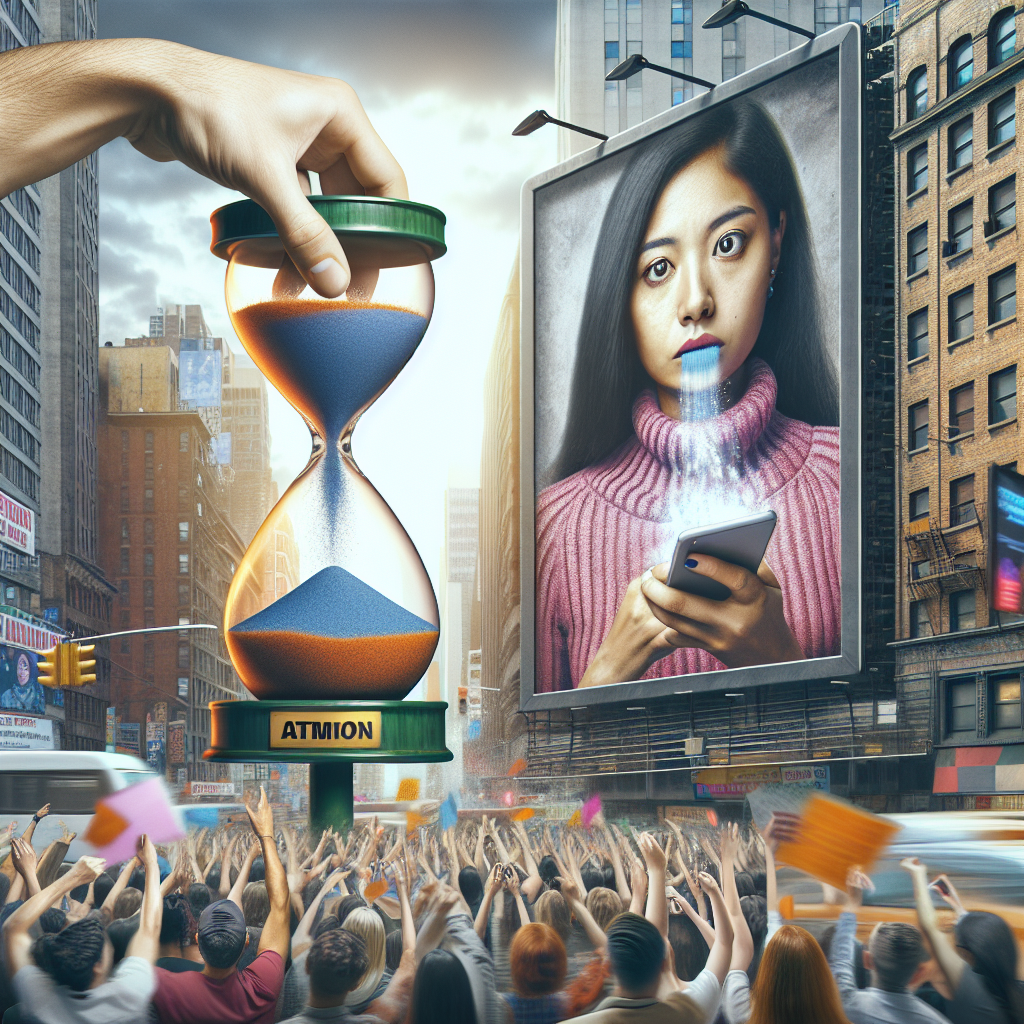

In MarTech’s “MarTechBot explains it all” feature, we pose a question about marketing to our very own MarTechBot, which is trained on the MarTech website archives and has access to the broader internet.
Q: Are attention spans really getting shorter? And how should marketers respond?
Yes, research indicates that attention spans are indeed getting shorter, particularly among younger audiences. A study by the Pew Research Center as far back as 2017 highlights that information overload is a significant factor contributing to this trend. As people are bombarded with vast amounts of information online, they often struggle to focus on any single piece of content for an extended period.
This phenomenon is exacerbated by the prevalence of social media and short-form content, which cater to quick consumption and instant gratification (Pew Research Center, 2017).
The flood of information impacts how online audiences choose and engage with content in several ways:
Dig deeper: Why marketing engagement metrics actually do matter
Preference for short-form content: With shorter attention spans, audiences are increasingly gravitating towards bite-sized content, such as videos and posts that can be consumed quickly. Platforms like TikTok and Instagram Reels have capitalized on this trend, encouraging creators to produce engaging content that captures attention within seconds.
Content selection: Audiences are more selective about the content they engage with. They often rely on algorithms to filter and recommend content that aligns with their interests, which can lead to echo chambers where they are exposed primarily to familiar ideas and perspectives (Sprout Social, 2023).
Engagement strategies: Content creators and marketers are adapting their strategies to accommodate these changes. This includes using eye-catching visuals, compelling headlines, and interactive elements to capture attention quickly. The emphasis is on creating impactful content that resonates with audiences in a short time frame (Writefully, 2024).
Impact on quality: The pressure to produce content rapidly can sometimes lead to a decline in quality, as creators may prioritize quantity over depth. This can result in a saturation of similar content, making it challenging for unique voices to stand out (Instagram Algorithm Changes, 2024).
The combination of shorter attention spans and information overload is reshaping how audiences interact with content online, leading to a preference for quick, engaging formats and a reliance on algorithms for content discovery.
How marketers should respond to the ‘attention economy’
Marketers, and content marketers in particular, should adopt a multifaceted approach to effectively engage an audience with shorter attention spans. Here are several strategies to consider:
Create shorter content: While not all content needs to be brief, focusing on shorter formats—such as quick videos, infographics, or concise blog posts—can cater to audiences who prefer quick consumption. Platforms like TikTok and Instagram Reels exemplify the effectiveness of short-form content.
Diversify content types: Offering a variety of content formats (videos, podcasts, articles, infographics, etc.) can help capture the attention of different audience segments. This diversity allows marketers to engage users in ways that resonate with their preferences.
Customize content for channels: Tailoring content to fit the specific characteristics and audience expectations of each platform is crucial. For example, a more casual tone may work well on social media, while a professional tone might be better suited for LinkedIn.
Use engaging visuals: Incorporating eye-catching visuals, animations, and graphics can help draw attention and maintain interest. Visual content is often more engaging and can convey information quickly.
Focus on value and relevance: Ensure that content is valuable and relevant to the audience’s needs. Understanding the target audience’s pain points and interests can help create content that resonates and encourages engagement.
Incorporate interactive elements: Adding interactive components, such as polls, quizzes, or user-generated content, can enhance engagement and keep audiences interested. Interactive content encourages participation and can lead to deeper connections.
Optimize for mobile: With many users consuming content on mobile devices, ensuring that content is mobile-friendly is essential. This includes optimizing loading times, formatting, and readability for smaller screens.
Utilize strong hooks: Start with compelling headlines or opening statements that grab attention immediately. The first few seconds of a video or the first few lines of an article are critical for retaining interest.
Leverage storytelling: Even in shorter formats, storytelling can be a powerful tool. Crafting narratives that resonate emotionally can help capture and hold attention, even if the content is brief.
Analyze and adapt: Continuously monitor engagement metrics to understand what works and what doesn’t. Use analytics to refine content strategies based on audience behavior and preferences.
By implementing these strategies, content marketers can effectively engage audiences with shorter attention spans while still delivering meaningful and impactful content.
Want to ask your own question of MarTechBot? Give it a try.
The post Are attention spans really getting shorter? How should marketers respond? appeared first on MarTech.
# Are Attention Spans Declining? What It Means for Marketers
In today’s fast-paced digital world, the idea that human attention spans are shrinking has become a widely accepted belief. With the rise of social media, short-form content, and instant gratification, many argue that people are finding it harder to focus for extended periods. But is this really the case? And if so, what does it mean for marketers trying to capture and retain audience attention?
## Are Attention Spans Really Declining?
The claim that human attention spans are shrinking is often linked to a 2015 Microsoft study, which suggested that the average attention span had dropped from 12 seconds in 2000 to just 8 seconds—shorter than that of a goldfish. However, this claim has been widely debated.
While it’s true that digital technology has changed the way we consume information, research suggests that attention spans are not necessarily shrinking but rather evolving. People are becoming more selective about what they engage with, filtering out irrelevant content faster. Instead of losing the ability to focus, audiences are simply adapting to an environment where they are bombarded with information from multiple sources.
## The Impact on Marketing
For marketers, the shift in how people consume content presents both challenges and opportunities. Here’s how evolving attention spans are shaping marketing strategies:
### 1. **Short-Form Content is King**
With platforms like TikTok, Instagram Reels, and YouTube Shorts gaining popularity, short-form content has become a dominant force in digital marketing. Consumers prefer quick, engaging snippets of information that deliver value instantly. Marketers must focus on creating concise, compelling content that grabs attention within the first few seconds.
### 2. **Visual Storytelling is More Important Than Ever**
Humans process visuals 60,000 times faster than text, making images and videos essential for capturing attention. Brands that leverage eye-catching visuals, infographics, and video content are more likely to engage audiences effectively.
### 3. **Personalization is Key**
With so much content available, consumers are more likely to engage with messages that feel relevant to them. Personalization—through targeted ads, AI-driven recommendations, and customized email campaigns—helps marketers cut through the noise and connect with their audience on a deeper level.
### 4. **Interactive Content Boosts Engagement**
Interactive content, such as quizzes, polls, and augmented reality experiences, encourages active participation. This not only keeps users engaged longer but also enhances brand recall and customer satisfaction.
### 5. **Authenticity and Trust Matter More Than Ever**
Consumers are becoming increasingly skeptical of traditional advertising. Brands that prioritize authenticity, transparency, and genuine storytelling are more likely to build lasting relationships with their audience. Influencer marketing, user-generated content, and behind-the-scenes storytelling can help establish trust.
### 6. **Multi-Channel Strategies Are Essential**
With consumers constantly switching between devices and platforms, marketers need to adopt a multi-channel approach. A strong presence across social media, email, websites, and even offline channels ensures that brands remain top-of-mind.
## Conclusion
While attention spans may not be shrinking in the way many believe, they are undoubtedly changing. Consumers are becoming more selective, favoring content that is engaging, relevant, and easy to digest. For marketers, this means adapting strategies to meet evolving consumer behaviors—leveraging short-form content, personalization, interactive experiences, and authentic storytelling.
By understanding and embracing these shifts, brands can not only capture attention but also foster deeper connections with their audience in an increasingly competitive digital landscape.



Recent Comments