

Effective social media marketing begins with identifying a specific target audience. Simply posting content and relying on luck is not a productive strategy. Having a clear understanding of your audience allows you to create campaigns that are more relevant and impactful.
This is a detailed guide that explains what a target audience is and provides tips on how to identify and connect with your target audience using social media platforms.
Who is the intended demographic for a product or service?
A target audience refers to a specific group of individuals who are most likely to be interested in your product or service. These individuals typically have similar characteristics. A brand can have multiple target audiences, each segmented based on common traits.
Let’s look at a few target audience examples to better understand how it works.
Canva, the design tool, has an audience of designers and design enthusiasts, this audience can be further segmented by how they use the tool.
For instance, educators are a key demographic for Canva, as they often utilize the platform to design materials such as worksheets, infographics, or posters.
Another major target audience group for Canva is social media professionals. This group typically uses the tool to create captivating visuals for their brand’s social media and digital campaigns.
What types of target audiences are there?
There are various kinds of attributes or features that can connect a group of individuals. These common features allow you to divide your audience into highly pertinent categories.
Demographics
You can group together your audience based on shared characteristics such as marital status and age. These demographic factors may influence people’s needs and pain points. For example, new parents may have different needs from child-free couples when buying or renting a new house.
Location
It’s also common to segment audiences based on where they’re located. This isn’t just limited to a country or a city but may include more specific location factors like neighborhoods and school zones.
Interest
Segmenting your audience by their interests, such as leisure pursuits and pastimes, allows you to craft messages that are relevant and engaging to them. For instance, you might tailor your messaging differently for a group of gaming enthusiasts compared to those who have a passion for travel.
See how Coldwell Banker speaks to football fans in the following Instagram post. The real estate company makes a comparison between two cities with a caption that would resonate with people who follow football.
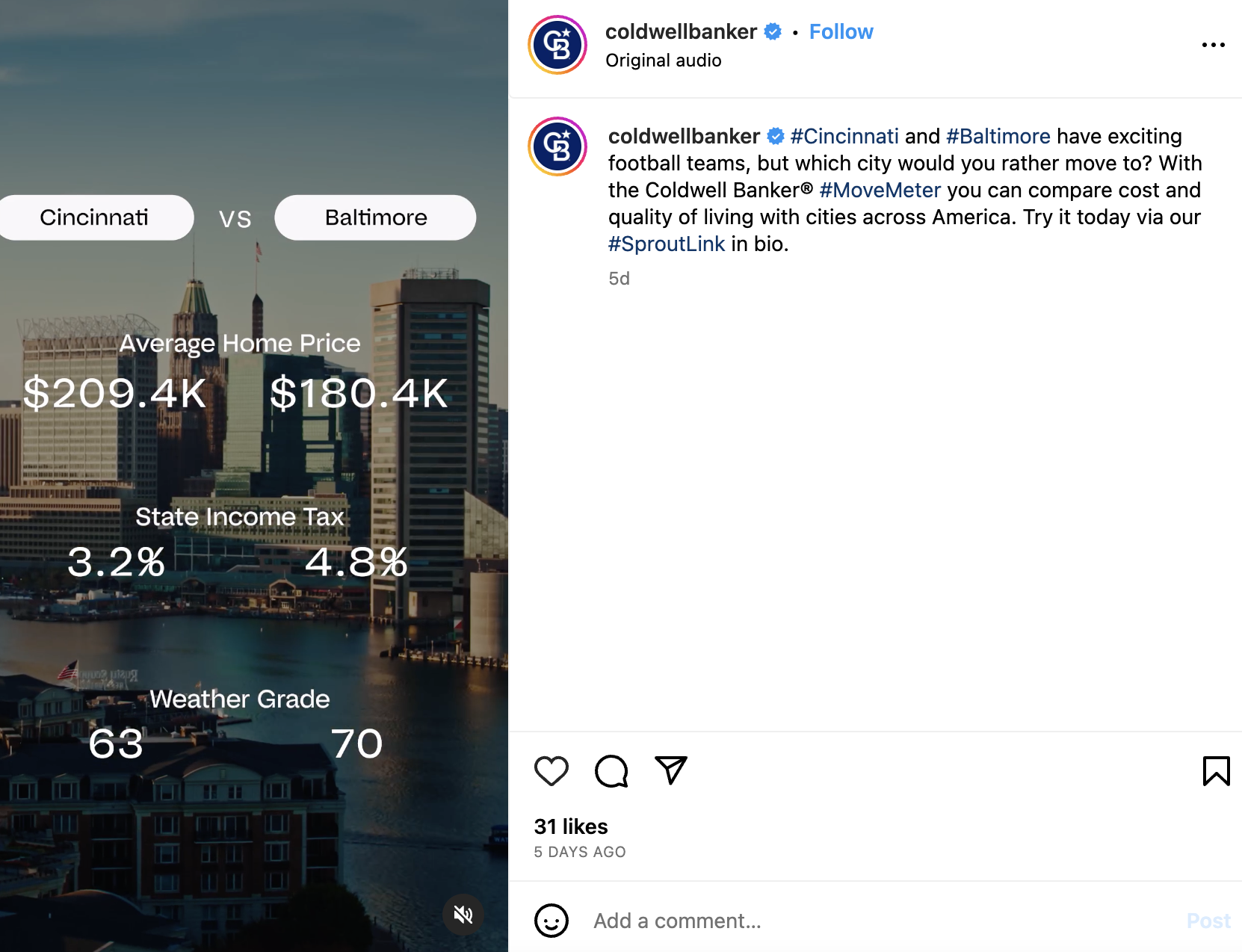
Image Source: Instagram
Purchase intent
An intention to buy a specific product is another common way to segment your target audience. Someone looking to buy a car may have different priorities than someone who’s shopping for a laptop. As such, you’ll want to tailor your messaging to better address each of their unique needs and priorities.
Subculture
A subculture can be defined as a community of individuals who share a common interest, such as a particular style of music or a specific entertainment fandom. Examples include fans of the TV show Doctor Who, known as Whovians, or enthusiasts of punk rock music. These groups may have varying reasons for engaging with your brand.
Check out how Dick’s Sporting Goods expertly targets the Taylor Swift fandom in the Instagram post below. The comments section alone gives you an idea of how effective subculture-based targeting is.

Image Source: Instagram
Existing customers
You may even need to create targeted segments of existing customers. For example, you may have a group of inactive customers you want to reengage. At the same time, you may also have a group of long-term and high-paying customers you want to reward.
Why is it important to identify your intended audience?
Wondering why you should put so much effort into your target audience definition? Here are some ways you can benefit from marketing to a targeted audience:
- You can spend your advertising budget more effectively.
- You know which social media platforms to focus on.
- You can develop messaging that truly resonates with current and potential customers. This makes it easier to connect with them and earn their loyalty.
Now that you know why you should define your target audience, let’s find out who your target audience is.
Start by taking a closer look at your target audience
To gain insight into your target demographic, begin by examining the individuals who currently follow you or make purchases from you. This will enable you to recognize recurring behaviors and inclinations, allowing you to categorize your current audience into smaller, distinct subsets.
Here are a few questions that’ll help you with this step:
1. Who is your current audience?
Keep track of who is following you on social media and engaging with your posts. Who is liking, sharing, and commenting on your content? Identify common traits such as age, location, language, and interests.
Then you can use that demographic information to understand the people who make up your existing audience.
2. What kind of information are they looking for and why?
Understanding the type of content your followers engage with and seek out will give you insight into your audience. This knowledge will allow you to determine their preferences and the best way to connect with them on social media platforms.
People will have different reasons why they follow brands on social media. And you’ll have to adapt your social media content strategy accordingly.
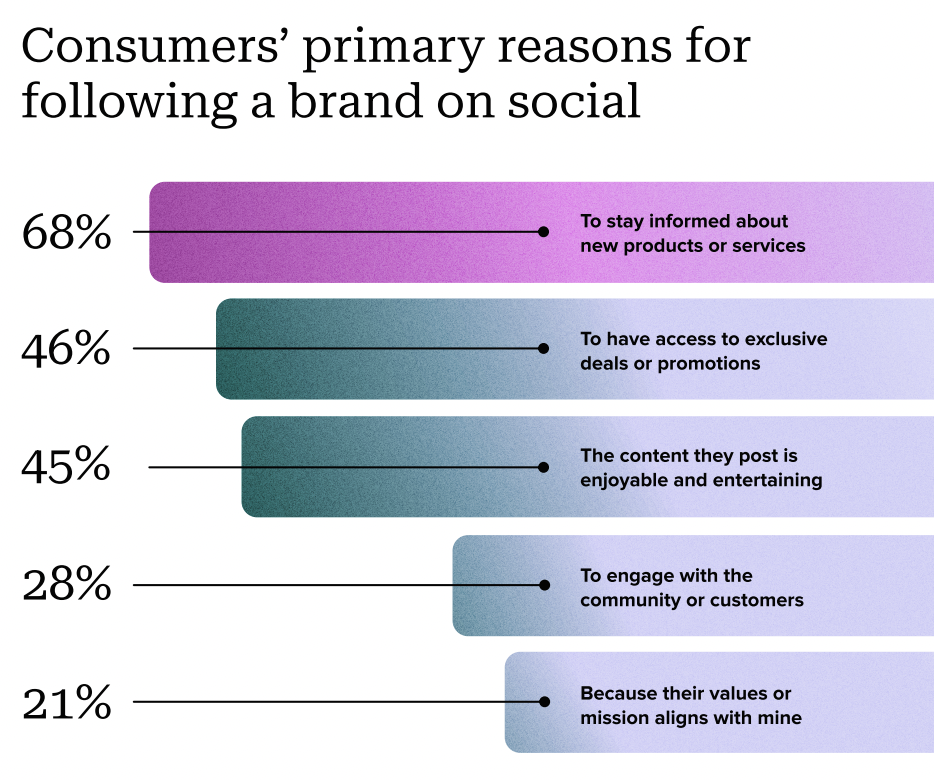
According to the 2023 Sprout Social Index™, the top reasons consumers follow brands on social are:
- To stay informed about new products or services (68%)
- To have access to exclusive deals or promotions (46%)
- They find the brand’s content enjoyable and entertaining (45%)
3. Where do they go for this information?
What social media sites does your ideal customer use most often? Knowing the answer to this question will guide you in determining where to concentrate your promotional activities.
For instance, launching an X (formally known as Twitter) campaign doesn’t make sense if your target demographic mostly uses Instagram. Understanding what your target audience wants and on which platform will define your content strategy.
4. What are they talking about?
Utilize social listening tools to monitor and assess the discussions your target audience is engaged in on social media platforms. Doing so will enable you to identify their primary concerns and wants.
What are their likes and dislikes? What challenges do they have and what solutions are they looking for? What are they saying about your brand or products?
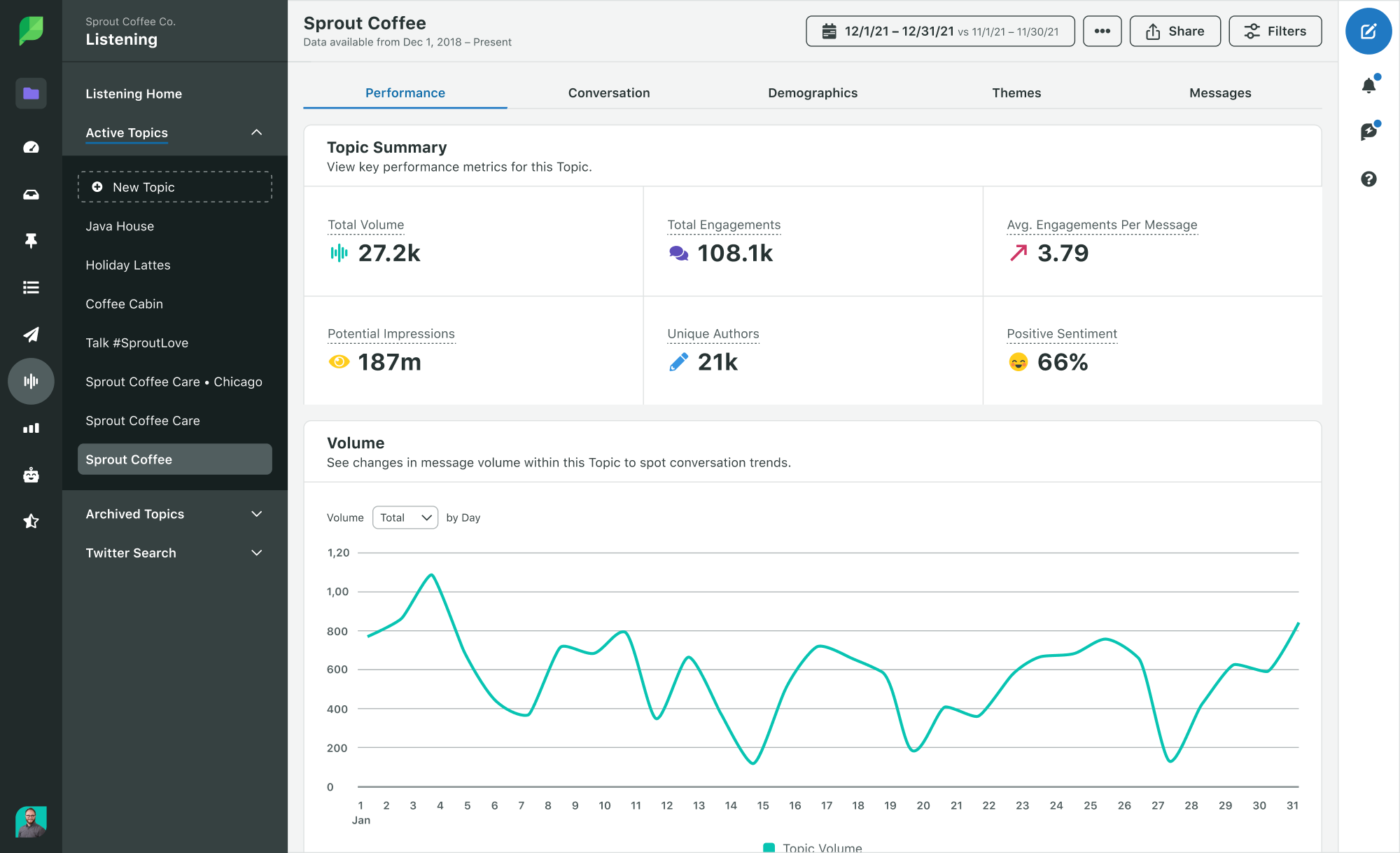
Sprout Social makes distilling online conversations easy with its social media listening tool. This tool tracks conversations around your brand and identifies trending topics. These insights then help you discover your target audience’s interests, preferences and pain points.
Who do they have confidence in?
Having a good idea of who your audience trusts can inform different aspects of your marketing strategy. For instance, knowing their favorite influencers will help you develop relevant influencer partnerships.
Look into your target demographic’s social habits: Which brands do they engage with? Are there any common influencers they seem to love? What is their go-to content source? Do they read online reviews or ask other consumers for opinions to make their purchase decisions?
These findings can guide you on how to enhance your brand’s credibility and build trust with your audience.
How to define a new target audience
When defining a target audience, you need to look into data from multiple sources. This includes buying trends, consumer engagements and social media behavior. Here are four main ways to define your new target audience.
Market research
Begin by examining your existing market to pinpoint any areas where your product can meet a need. Are there any consumer needs that are not being met in the market? What distinct benefit can you provide to differentiate yourself? This is a crucial step in determining the demographic that will see value in what you have to offer.
Industry trends
Similarly, the same market research can reveal trends shaping the industry. Look at changes in regulations and consumer behavior. Then try to analyze how these changes could lead to the rise of new trends influencing your target audience definition.
Social media data
Social media has a wealth of information on consumer behavior and preferences. Look into this data to understand what people are talking about and how they’re engaging with content.
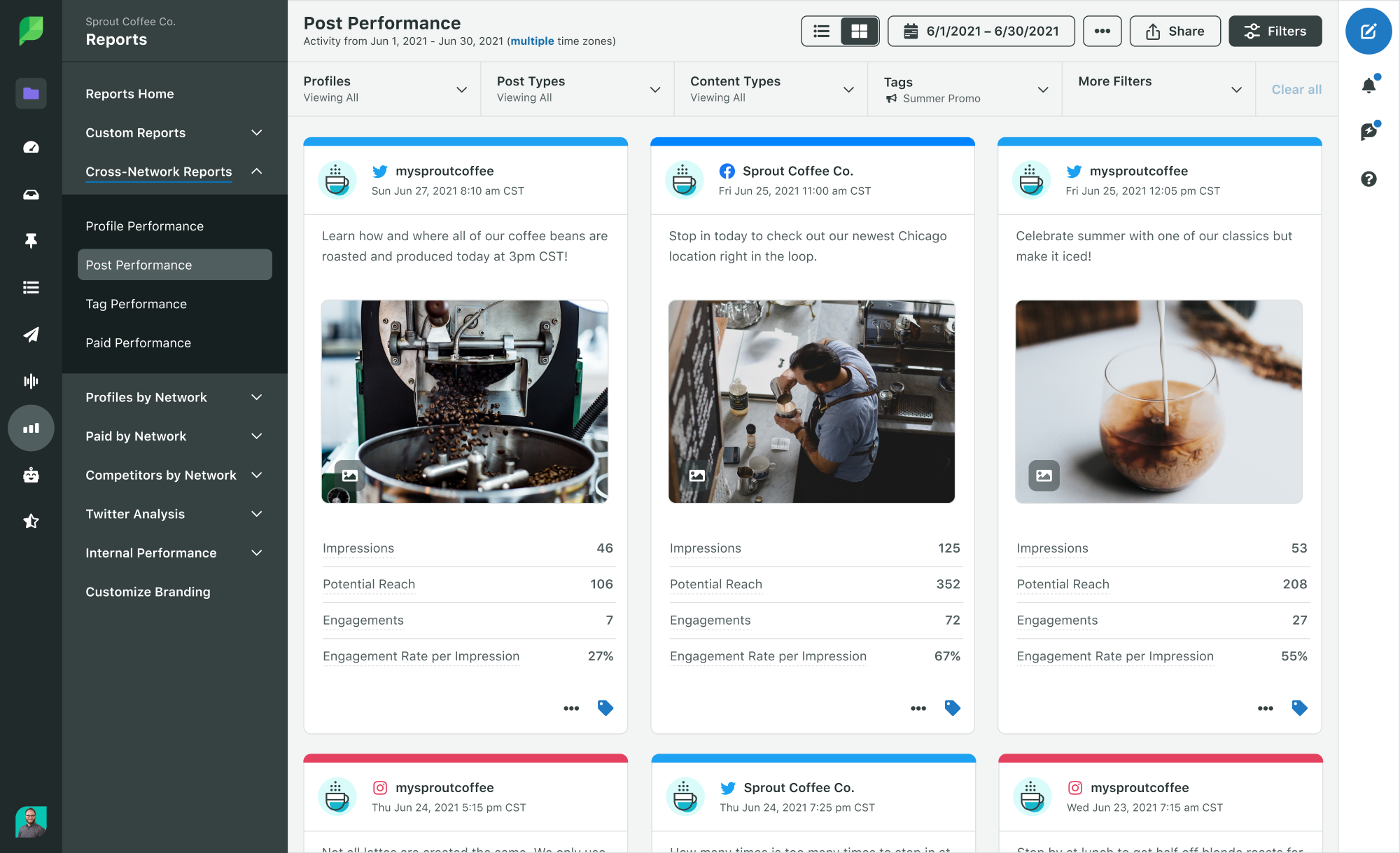
Utilize the analytical tools provided by Sprout to consolidate the gathering of your social media data. This simplifies the process of examining audience reactions to your content on various platforms. By doing so, you can gain insight into what content resonates with your audience and tailor your target demographic accordingly.
Analytics data
Your website analytics data can also provide you with valuable insights into your visitors. You can define a target audience based on where they’re coming from, which pages they visit and more.
Conduct social media competitor analysis
Conducting a competitive analysis on social media is an essential step in identifying your target audience. Examine your competitors’ approach to social media and consider the following questions:
- What types of people are your competitors targeting?
- How are they reaching out to their target audience?
- What actions are they taking that are correct?
- What’s missing from their strategy?
- What key benefits are they emphasizing in their marketing?
- How frequently are they making posts?
- Which content formats seem to work the best for them?
- What tone are they using?
Once you understand your competitors, you’ll be able to identify your key competitive advantages.
For instance, Netflix’s exclusive series provide an advantage over its rivals. To capitalize on this distinctive feature, the company cultivates a devoted following for these series. It engages various fan bases by initiating discussions about popular shows like “The Crown.”

Image Source: X
Define the key benefits of your products or services
With a better understanding of your target audience, you can now explain how your products or services solve their problems. What value does your business offer? Think about how their pain points align with your key benefits. This will help you position your business in a way that resonates with your target audience.
Create content for your social media target audience
After gaining knowledge about your target audience, it’s time to begin producing content that connects with them.
Here are a few best practices to guide you:
- A/B test different content elements, formats and publishing times. Fine-tune your content strategy based on the types of posts your target audience tends to engage with. Monitor what kind of captions they like and which timing works best to engage them.
- Create content for different stages of the marketing funnel. Entertaining content may be great for capturing attention at the awareness stage, for example. But those at the consideration stage are likely to find more value in informative and instructional pieces.
- Focus on direct audience research methods. Don’t just depend on analytics data, but also gather information straight from your audience through polls and questions to better engage with them. Develop customer personas to make sure your content is tailored to the specific needs and interests of your target audience.
Ready to connect with your target audience?
Now that you’re armed with the knowledge to identify and engage with your target audience, you can create a strategy to connect with them. To take it one step further, use our free worksheet on how to create authentic connections with your audience.
The post Social media target audience: How to find and engage yours appeared first on Sprout Social.
Social media is an incredibly powerful tool for businesses to reach and engage with their target audience. With the right strategy, businesses can use social media to build relationships with their customers, increase brand awareness, and drive sales.
The first step in finding and engaging your target audience on social media is to identify who they are. You should consider factors such as age, gender, location, interests, and more. Once you have a better understanding of who your target audience is, you can begin to create content that resonates with them.
When creating content, it’s important to keep in mind the type of content that resonates with your target audience. For example, if your target audience is millennials, you should focus on creating content that is visually appealing and entertaining. If your target audience is older adults, you should focus on creating content that is informative and educational.
Once you have identified your target audience and created content that resonates with them, it’s time to start engaging with them. This can be done by responding to comments, liking posts, and sharing content. You should also consider running contests or giveaways to further engage with your target audience.
Finally, it’s important to measure the success of your social media efforts. This can be done by tracking metrics such as engagement rate, reach, and followers. By tracking these metrics, you can determine which strategies are working and which ones need to be improved.
Finding and engaging your target audience on social media can be a daunting task. However, with the right strategy and dedication, you can successfully reach and engage with your target audience. By identifying who they are, creating content that resonates with them, engaging with them, and measuring the success of your efforts, you can build relationships with your customers, increase brand awareness, and drive sales.
Source: sproutsocial.com

Recent Comments