

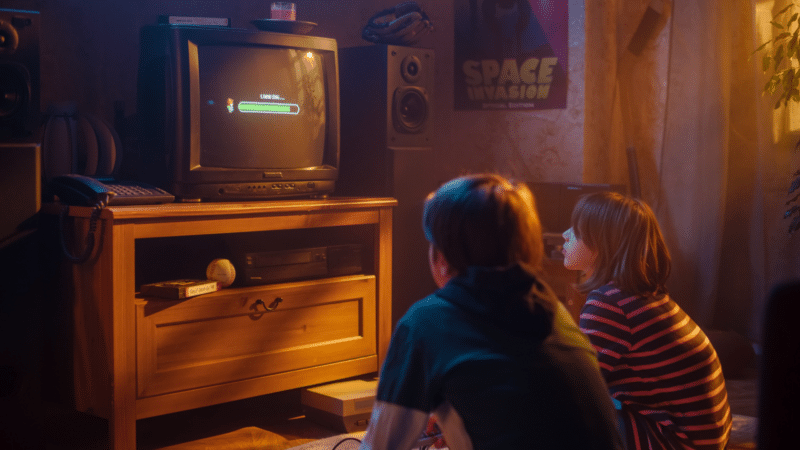
What if the key to customer loyalty isn’t faster shipping or flashier ads but a cleverly timed stroll down memory lane? In 2025, a new wave in customer experience (CX) is gaining traction. Memory-driven CX — using the past to spark joy in the present — is quietly reshaping how brands forge unbreakable customer bonds.
The power of ‘remember when’
Imagine logging into your favorite online store and instead of the usual “Welcome back!” banner, you see a note: “Five years ago today, you bought your first pair of running shoes from us. How many miles have they carried you since?” Or picture a music app popping up with, “Ten years since you first jammed to this album. Relive the vibe?”
Experiences like this tap into our love for nostalgia. It is memory-driven CX in action, turning data into moments that hit you right in the feels. Memory-driven CX uses customer data to predict what you’ll buy and resurrect moments that matter. This approach flips the script from cold, transactional efficiency to warm, emotional resonance.
Spotify’s Wrapped, which recaps your year in tunes with a nostalgic twist, is a teaser of what’s been and what’s coming. The next level? Think personalized purchase anniversaries, milestone surprises and celebrations or even augmented reality (AR) recreations of past experiences, like your first trip booked with a travel brand. It’s less about selling and more about storytelling — with you as the star.
Why it works
Nostalgia is a loyalty superpower. Research shows it boosts dopamine, that feel-good brain chemical, making us more likely to trust and stick with brands that trigger it. Consumers will spend more with companies that “get” their personal history, a Deloitte study found. Meanwhile, 72% of customers feel more connected to brands celebrating past interactions, per a 2024 Forrester survey.
The technology is there to make it happen. AI can sift through years of purchase data, historical actions and interactions, social media likes and even voice tones or biometric feedback to pinpoint moments worth reviving. Sentiment analysis, predictive and prescriptive analytics and other AI tools can enhance emotional intelligence at scale.
Through the Nike Run Club app, users receive milestone notifications, such as the anniversary of their first tracked run or hitting a distance goal, with messages like “One year ago, you started something big.” Suddenly, Nike is your personal cheerleader, rekindling that initial spark of motivation and inspiration.
Starbucks’ Rewards celebrates your “coffee anniversary,” i.e., the day you joined, sometimes with a free drink or bonus stars. These small memory nods keep customers returning, blending nostalgia with tangible perks.
FedEx sends clients (especially small businesses) messages celebrating milestones, e.g., “Five years since your first shipment with us. Here’s to moving forward together.” Sometimes, they’ll pair it with a discount — little nods that keep customers returning.
Dig deeper: 7 ways to boost customers’ emotional connection and loyalty with your brand
The cutting edge
Early adopter brands are already testing the waters. Luxury retailer Net-a-Porter offers VIP customers the ability to revisit their first order in a sleek, digital “style memory” scrapbook, spotlighting their first order with tailored outfit ideas.
Travel company Away is testing AR “memory trips,” letting you revisit a past getaway through your phone’s lens. Even indie Etsy sellers are jumping on board, sending handwritten notes celebrating a buyer’s “shopping anniversary” to turn a one-off purchase into a relationship. Small moves, big impact.
On the B2B side, HubSpot sends personalized anniversary emails, celebrating the day customers signed up. They might include a note like, “Three years ago, you joined us; here’s how you’ve grown,” paired with usage stats. Salesforce celebrates user certifications and community milestones within its Trailhead platform, sending badges and messages like, “Two years since your first badge. Look how far you’ve come!”
The numbers back up this approach. Up to 75% of consumers are more likely to repurchase from brands that personalize based on past interactions, a 2024 Zendesk CX Trends Report found. With AI analyzing everything from old emails to voice recordings to smartwatch data, you can craft hyper-specific memory triggers or emotionally charged moments.
Think of a pet store sending a video of your pup’s first toy, shredded to bits, set to a sentimental soundtrack. Cheesy? Sure. Memorable? You bet. Effective? Absolutely.
The risks of overreach
Data is at the heart of designing and delivering a great memorable/memory-driven experience. But here’s the catch: memory-driven CX walks a tightrope. Get it right and you’re a hero. Get it wrong and you’re a creep.
One example that went viral years ago was from Target. They used purchase data to predict a teenage girl’s pregnancy before her family knew, sending her coupons for baby products. The father complained, only to later learn she was indeed pregnant. Customers love tailored offers, but not when it feels like the brand knows too much without consent.
LinkedIn sends congratulatory prompts for work anniversaries or job changes. Still, users have complained about notifications for outdated or unwanted milestones, e.g., a job they were fired from or a short gig they’d rather forget. Instead, the platform’s attempt to celebrate professional memories digs up moments users don’t want broadcasted. It’s a memory-driven feature that can feel tone-deaf or intrusive in a B2B networking context.
The 2024 Forrester survey also found that 45% of consumers feel uneasy when brands dig too deep without consent. Remind someone of a purchase tied to a rough patch, like a breakup gift and you’ve lost them. Privacy is the elephant in the room; customers want to be remembered, not stalked. The fix? Clear opt-ins and control over which memories are used.
Scaling this without feeling mass-produced is another hurdle. Crafting these experiences for millions without feeling generic takes serious tech chops and a human touch. One-size-fits-all nostalgia won’t cut it; your “first coffee” story isn’t the same as mine.
Dig deeper: Unlocking customer loyalty: 5 core motivations powering personalized marketing
The future of memory-driven CX
Where is this headed? Within the next five years, memory-driven CX could be non-negotiable for any brand serious about loyalty. For example, we’ll see subscription plans with a “memory vault” perk, i.e., a living archive of your brand journey, gamified with rewards. A carmaker might mark your 100,000th mile with a custom video of your road trips. A fitness app could turn your workout history into an epic “you vs. you” origin story montage.
Memory-driven experiences hinge on a few key principles: using data to pinpoint meaningful moments, delivering them with a personal touch and tying the memory to ongoing value (a reward, a tool, a partnership). B2C leans toward mass nostalgia and fun (Spotify, Starbucks), while B2B focuses on professional milestones and trust (HubSpot, Salesforce). But the core is the same: making customers feel their past with you matters.
Here’s a bold call for the future: traditional CX metrics like net promoter scores might get sidelined for “memory-driven experience scores,” tracking how well a brand rekindles the past to lock in the future. Or think about an emotion connection score, a memory retention index or a lasting impression score. Mastering the emotional connection won’t just help you retain customers; you’ll own a slice of their identity.
Getting started
The marketing playbook is clear: Start small, test the waters and lean on data you already have. That first purchase date? It’s a goldmine. Pilot test it via a “throwback offer” for your top tier. Be sure to ask permission, keep it light and test your campaigns with a small audience to gauge reception.
For CX pros, the challenge is bigger: How do you weave memories into every touchpoint? How do you turn transactions into time capsules? In a world obsessed with the next big thing, the ones who remind us of “then” might just own “now.”
Becoming iconic
We’ve seen many terms bandied about: customer intimacy, emotionally driven loyalty and now memory-driven CX. The root of all these is getting to know your customers and giving them the experience that meets their needs.
Brands that stand out to customers make interactions memorable, personalized and emotionally engaging. They design for emotional impact, personalize experiences at scale and close every interaction on a high note. Those who do this benefit from long-term loyalty and may even become iconic.
Dig deeper: How customer-centric marketing fuels long-term success
The post How B2B and B2C brands are winning hearts with memory-driven CX appeared first on MarTech.
**How B2B and B2C Brands Use Memory-Driven Customer Experiences to Build Stronger Connections**
In today’s hyper-competitive marketplace, brands are constantly seeking ways to stand out and foster lasting relationships with their customers. One increasingly effective strategy is the use of memory-driven customer experiences — emotionally resonant interactions that leave a lasting impression. Whether in the business-to-business (B2B) or business-to-consumer (B2C) space, companies are leveraging the power of memory to create deeper connections, enhance loyalty, and drive long-term growth.
### What Are Memory-Driven Customer Experiences?
Memory-driven customer experiences are interactions designed to be memorable, emotionally engaging, and meaningful. These experiences go beyond transactional touchpoints to create moments that customers recall positively and associate with the brand. They often involve storytelling, personalization, sensory engagement, and emotional resonance, all of which contribute to stronger brand recall and affinity.
### The Psychology Behind Memorable Experiences
Human memory is closely tied to emotions. According to cognitive psychology, emotionally charged experiences are more likely to be encoded in long-term memory. This means that when a brand creates a positive emotional experience — whether through surprise, delight, empathy, or inspiration — it increases the likelihood that the customer will remember the interaction and feel positively toward the brand.
### How B2C Brands Use Memory-Driven Experiences
B2C brands often have more opportunities to engage customers on an emotional level due to the personal nature of consumer purchases. Here are some ways B2C companies create memorable experiences:
#### 1. Personalization at Scale
Retailers like Amazon and Netflix use data-driven personalization to recommend products and content tailored to individual preferences. This creates a sense of being understood and valued, which enhances emotional engagement.
#### 2. Experiential Marketing
Brands like Coca-Cola and Nike invest in immersive brand experiences — pop-up events, interactive installations, or virtual reality experiences — that create lasting memories. These events are often shared on social media, amplifying their impact.
#### 3. Emotional Storytelling
Apple and Dove are known for emotionally resonant advertising that tells stories about real people, values, and aspirations. These narratives connect with audiences on a deeper level and make the brand more relatable.
#### 4. Surprise and Delight
Brands like Starbucks and Zappos occasionally surprise customers with free upgrades or personalized notes. These unexpected gestures create positive emotional spikes that customers remember and share.
### How B2B Brands Use Memory-Driven Experiences
While B2B interactions are often more rational and focused on ROI, memory-driven experiences are equally important in this space. Decision-makers are still human, and emotional connections can influence long-term partnerships and loyalty.
#### 1. Thought Leadership and Storytelling
B2B brands like Salesforce and HubSpot use storytelling in their content marketing to educate and inspire. By sharing customer success stories and industry insights, they create memorable narratives that position them as trusted advisors.
#### 2. High-Touch Customer Service
B2B relationships often involve longer sales cycles and ongoing support. Companies like IBM and Adobe invest in dedicated account managers, personalized onboarding, and proactive support to create positive, memorable service experiences.
#### 3. Exclusive Events and Networking
Hosting executive roundtables, webinars, or industry conferences allows B2B brands to create meaningful, face-to-face interactions. These events foster community and leave a lasting impression on attendees.
#### 4. Customized Solutions
Providing tailored solutions that address specific business challenges shows a deep understanding of the client’s needs. This level of personalization builds trust and strengthens the emotional bond between brand and client.
### Bridging the Gap: Common Strategies Across B2B and B2C
Despite their differences, B2B and B2C brands can both benefit from the following memory-driven strategies:
– **Empathy and Human-Centered Design:** Understanding the customer’s journey and pain points allows brands to design experiences that resonate emotionally.
– **Consistency Across Touchpoints:** A cohesive brand experience across digital, physical, and interpersonal interactions reinforces memory and trust.
– **Use of Technology:** AI, CRM systems, and data analytics help brands deliver personalized and timely experiences that feel relevant and memorable.
### Measuring the Impact of Memorable Experiences
To assess the effectiveness of memory-driven strategies, brands can track metrics such as:
– Net Promoter Score (NPS)
– Customer Lifetime Value (CLV)
– Brand recall and recognition
– Social media engagement and sentiment
– Repeat purchase or renewal rates
### Conclusion
In an age where customer attention is fleeting and competition is fierce, creating memory-driven experiences is a powerful way for both B2B and B2C brands to differentiate themselves. By tapping into the emotional and psychological drivers of memory, companies can build stronger, more enduring relationships with their customers — relationships that go beyond transactions and foster true brand loyalty. Whether through personalization, storytelling, or exceptional service, the brands that make a lasting impression are the ones that will thrive in the

Recent Comments