
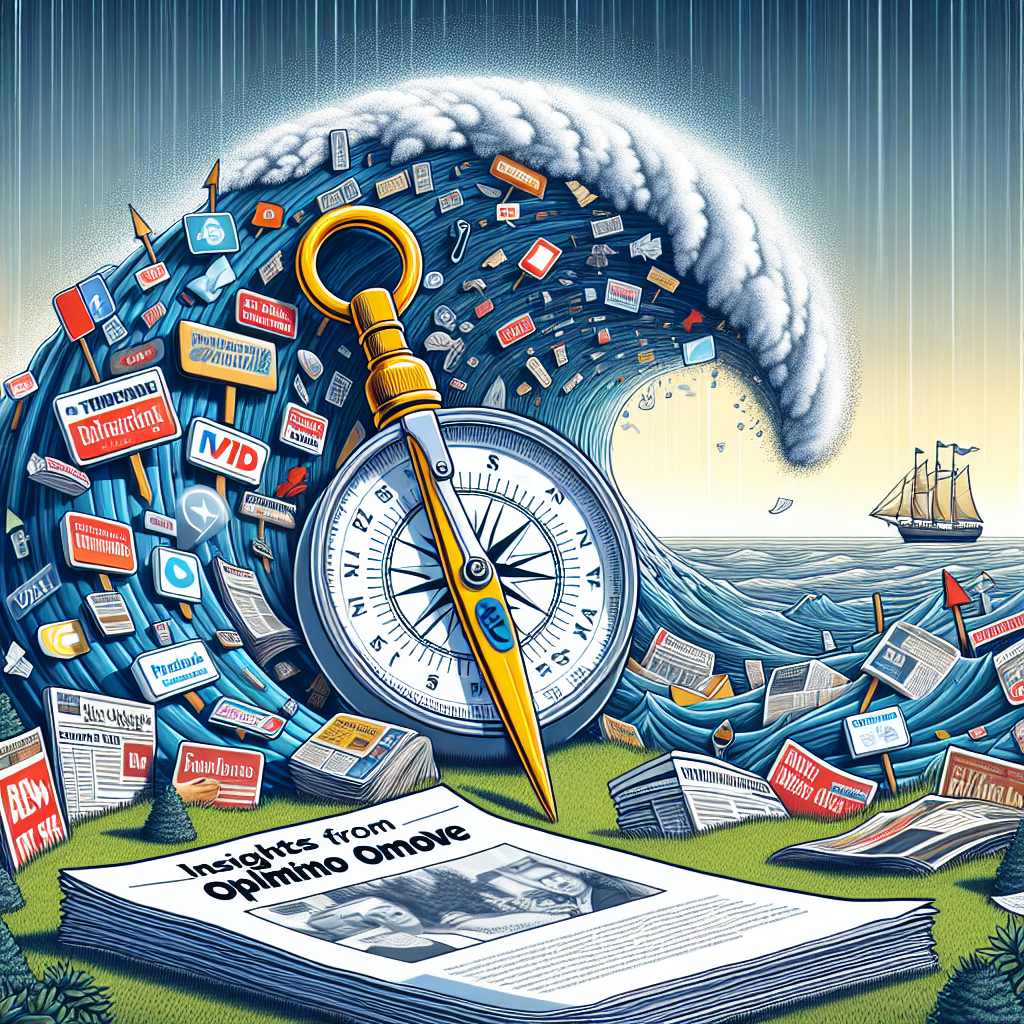
The 2024 U.S. presidential election is set to break records for political ad spending, with projections estimating a monumental $12 billion by election day — more than a 30% increase compared to 2020. And it is not just traditional ad spending. Digital media costs will soar. Brands will be pushed to either spend more than they want and/or optimize so they are smarter about their deployment of digital marketing strategies.
This surge signals a dramatic disruption in the commercial media landscape. Unlike in 2020, the flood of political ads across traditional and digital channels in 2024 presents brands with an unprecedented challenge: how to maintain visibility and engagement amid this deluge. The solution lies in leveraging AI to hack (bypass/outmaneuver) the media landscape to connect directly with customers.
Politics driving up costs and limiting ad inventory
As the election cycle intensifies, political campaigns are increasingly dominating both traditional and digital media spaces. This dominance is driving up costs and limiting ad inventory, especially in key battleground states. The overlap between this political ad blitz and the crucial holiday shopping season exacerbates the scarcity of premium ad placements, forcing brands to re-think and recalibrate their media strategies.
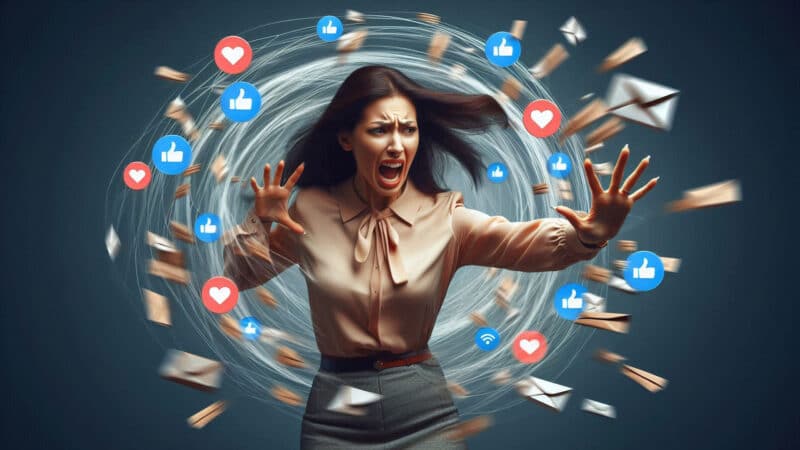
Politics causing marketing fatigue
Election news also causes “media fatigue.” According to Pew Research, “about six in ten U.S. adults (62%) already say they are worn out by so much coverage of the campaign and candidates, while 35% say they like seeing a lot of this coverage.”
Our Optimove research on 2024 holiday shopping shows that 67% of consumers will have “marketing fatigue” by November.
It shows that whether it is earned or paid media, consumers are overwhelmed by messages. Brands must deliver timely and relevant messages that resonate with their consumers.
However, brands have an inherent advantage that most political campaigns lack: deep, existing relationships with their customers. These relationships, built on trust and familiarity, offer a strong foundation for cutting through the noise.
Brands advantage — existing customer relationships
In this crowded environment, brands face the critical challenge of capturing and retaining consumer attention. Success is no longer about broad-stroke approaches; it hinges on delivering the right message at the right time with the right frequency. Fortunately, brands have a huge advantage—their existing relationship with customers.
In 2024, a real differentiator for brands to connect with their consumers is the advancement of AI-orchestrated marketing to manage, optimize and personalize the entire customer journey across multiple channels and touchpoints. Unlike traditional methods, AI offers unprecedented precision, allowing brands to deliver highly targeted and personalized messages that resonate deeply with consumers. This capability enables brands to hack traditional media entirely and send direct messaging that establish and reinforce their meaningful connection with their customers.
Marketers need to be empowered by AI
AI-driven marketing tools analyze vast amounts of data to identify key customer segments and tailor messages that resonate with each individual. This personalized approach is crucial in an environment saturated with political ads. Unlike traditional marketing methods that often miss the nuances differentiating individual consumers, AI-driven customer marketing engages in meaningful, personalized conversations throughout the consumer’s shopping journey.
For instance, two customers with school-age children might appear similar, but AI can discern that one parent focuses on basic school supplies, while the other is interested in advanced electronics. By tailoring messages to these specific preferences, brands can maintain relevance and drive deeper engagement.
In 2024, self-optimizing campaigns – a reality
AI-led customer marketing avoids the pitfalls of overgeneralization by delivering personalized offers or messages that resonate with each micro-segment of customers. AI orchestration takes this a step further, allowing marketers to synchronize and coordinate thousands of interactions on an individual level. This optimizes engagement across the entire customer lifecycle — from initial awareness to post-purchase support.
Generative AI also revolutionizes traditional A/B/n testing. Instead of being labor-intensive and time-consuming, AI transforms A/B/n testing into a continuous, dynamic process. AI can scan micro-segments, adjust offers in real-time, and ensure that each sub-segment receives the most appealing message, thereby maximizing satisfaction and engagement.
AI-driven strategies can influence customer behavior and loyalty
These AI-driven advertising strategies can significantly influence customer behavior and loyalty. Here’s how:
1. Precision Targeting by Customer Preference: Deliver only hyper-relevant personalized ads to customers that leverage customer historical behavior that offer the greatest probability of engagement
2. Real-Time Adaptation: Update audiences in real time with changes in customer behavior. For example, change the ad group of a customer based on their most recent browsing
3. Optimize acquisition for life-time value (LTV): Use predictive models such as Future Value, or simple segmentation, to build lookalike audiences that can provide better customer acquisition targets with higher LTVs
4. Minimize ad spend: In a world where CPCs and CPMs will be pushed higher because of political campaigns, leverage AI to autonomously remove customers who are less likely to convert from the costly ad campaigns
Be a media hack
AI-powered, self-optimizing campaigns are more than just a technological advancement; they represent a strategic advantage that can drive meaningful engagement and long-term customer loyalty. In a media landscape dominated by political ads, brands that leverage AI to deliver hyper-personalized, real-time messaging will be well positioned to connect with consumers in ways that were previously impossible. By focusing on precision, personalization, and real-time adaptation, brands can hack the media madness. Being a media hack might not win an election, but it can win the hearts and minds of a brand’s consumers.
The post Amid political ad blitz, brands can hack the media landscape appeared first on MarTech.
**How Brands Can Navigate and Leverage the Media Landscape During Political Ad Surges – Insights from Optimove**
In today’s fast-paced, hyper-connected world, brands are constantly competing for consumer attention. However, during election cycles, the competition becomes even fiercer as political campaigns flood the media landscape with ads. These surges in political advertising can create challenges for brands, from increased costs to reduced visibility. To navigate these turbulent times, brands must adopt strategic approaches that allow them to maintain their presence, engage their audience, and maximize their marketing ROI. Optimove, a leading customer relationship management (CRM) and marketing platform, provides valuable insights into how brands can successfully leverage the media landscape during political ad surges.
### The Impact of Political Ad Surges on the Media Landscape
Political ad surges, especially during election seasons, can significantly disrupt the advertising ecosystem. These surges typically result in:
1. **Increased Competition for Ad Space**: Political campaigns often have large budgets, allowing them to outbid commercial advertisers for prime ad placements. This can lead to reduced availability of premium ad slots for brands.
2. **Rising Costs**: As demand for ad space increases, so do the prices. Brands may find that their usual ad placements become prohibitively expensive, forcing them to either increase their budgets or scale back their campaigns.
3. **Audience Fatigue**: With the constant barrage of political ads, consumers may become overwhelmed and disengaged. This can lead to lower engagement rates for non-political ads, as audiences tune out or skip over content.
4. **Reduced Visibility**: Political ads often dominate key media channels, such as television, radio, and digital platforms, making it harder for brands to maintain visibility and reach their target audience.
### How Brands Can Navigate Political Ad Surges
Despite the challenges posed by political ad surges, brands can still find ways to thrive. Here are some strategies, informed by Optimove’s data-driven approach, that can help brands navigate the media landscape during these periods:
#### 1. **Leverage Data-Driven Personalization**
One of the most effective ways to stand out during political ad surges is by delivering highly personalized content. Optimove emphasizes the importance of using customer data to create tailored messaging that resonates with individual preferences and behaviors. By leveraging first-party data, brands can segment their audience and deliver personalized ads that cut through the noise.
For example, instead of running generic ads, a retail brand could use purchase history and browsing behavior to deliver personalized product recommendations to specific customer segments. This level of personalization can increase engagement and conversion rates, even in a crowded media environment.
#### 2. **Diversify Media Channels**
During political ad surges, traditional media channels like television and radio are often saturated with political content. To avoid getting lost in the shuffle, brands should consider diversifying their media mix. Optimove suggests exploring alternative channels such as:
– **Social Media**: Platforms like Instagram, TikTok, and LinkedIn offer opportunities for brands to engage with their audience through organic content, influencer partnerships, and targeted ads.
– **Programmatic Advertising**: Programmatic platforms allow brands to use real-time bidding to target specific audiences across a wide range of websites and apps. This can help brands avoid the high costs associated with traditional media during political ad surges.
– **Email and SMS Marketing**: Owned channels like email and SMS provide direct access to consumers without the competition for ad space. Brands can use these channels to deliver personalized offers, updates, and content to their audience.
#### 3. **Optimize Timing and Frequency**
Timing is everything when it comes to advertising during political ad surges. Brands should be strategic about when and how often they run their ads. Optimove’s predictive analytics tools can help brands determine the optimal times to engage their audience based on historical data and customer behavior patterns.
For instance, brands may choose to avoid running ads during peak political ad times, such as during debates or major political events, when consumers are more likely to be bombarded with political messaging. Instead, brands can focus on off-peak times when there is less competition for attention.
Additionally, brands should be mindful of ad frequency. Bombarding consumers with too many ads can lead to ad fatigue, especially during a time when they are already overwhelmed with political content. Optimove’s frequency capping tools can help brands control how often their ads are shown to individual users, ensuring a balanced approach that maximizes engagement without causing irritation.
#### 4. **Focus on Brand Loyalty and Retention**
While acquiring new customers is always important, political ad surges can be an ideal time for brands to focus on nurturing existing customer relationships. Optimove’s CRM platform emphasizes the importance of customer retention and loyalty, especially during periods of heightened competition.
Brands can use loyalty programs, exclusive offers, and personalized content to keep their existing customers engaged and satisfied. By focusing on retention, brands can reduce their reliance on expensive

Recent Comments