

Google’s pivot on deprecating third-party cookies has caused uncertainty in the digital advertising industry. Originally set for 2022, the plan faced multiple delays since its announcement in January 2020, leading to doubts about Google’s commitment.
The move has sparked speculation about the future of privacy-focused advertising and the impact on businesses that have been preparing for a cookieless future.
Navigating the uncertainty
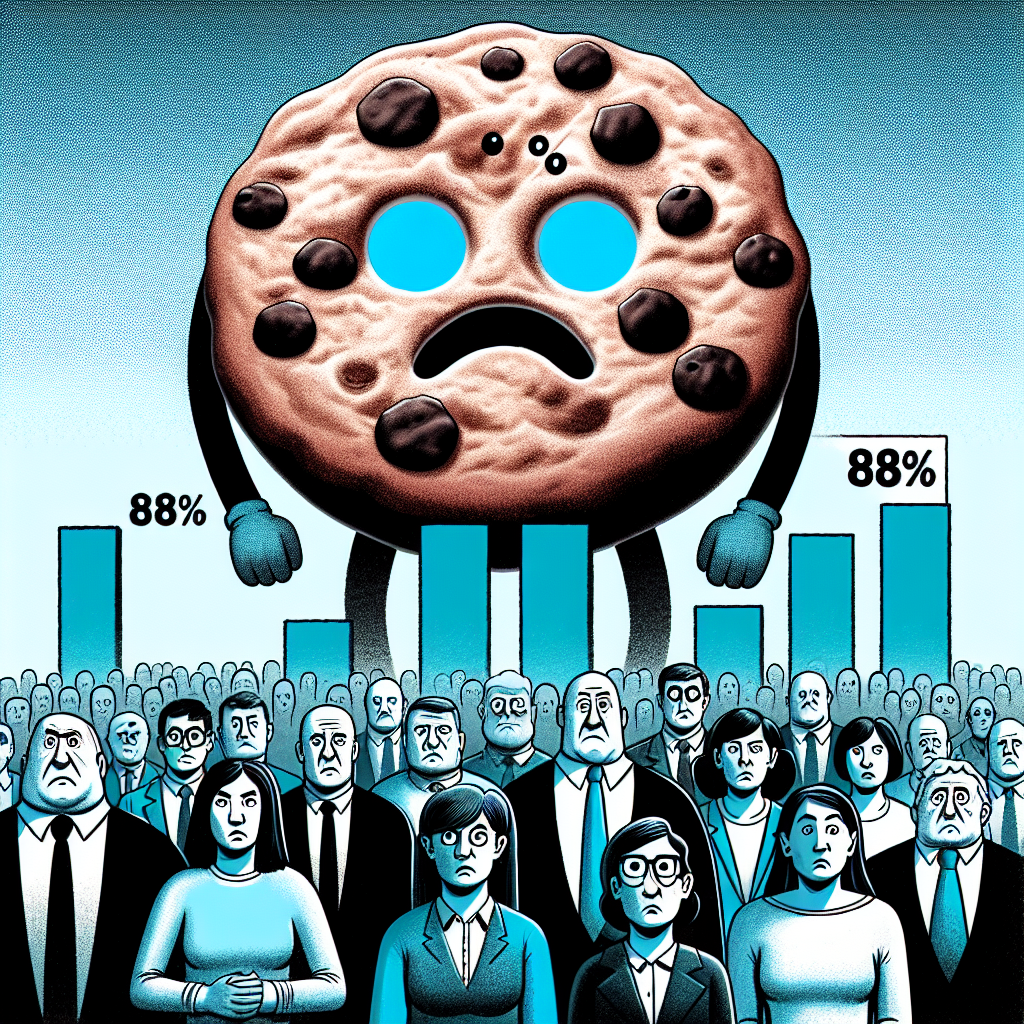
A recent IAB study shows that 88% of industry professionals feel Google’s decision to reverse the phase-out of third-party cookies has caused major confusion in digital advertising.
Many companies invested heavily in preparing for a cookieless future, so this shift feels like an unexpected detour after years of planning. While Google’s new focus on user choice gives users more control over their web browsing, it has left the industry uncertain about how to move forward.
Google has also not explained how these changes will affect Android devices, creating uncertainty about how privacy will be handled across its ecosystem. This lack of clarity makes it harder for companies to plan effective cross-platform strategies.
Dig deeper: It’s time to re-think our rejection of third-party cookies
The measurement and addressability challenge
The biggest worry for industry professionals is how these changes will affect measurement and addressability. In the IAB study, nearly 40% of respondents said they were concerned about the lack of detail on Google’s new approach and its impact on these key areas. If the changes disrupt current practices, it could create major challenges, making marketers doubt the accuracy of their metrics and the success of their digital ads.
As the industry grapples with these potential disruptions, companies are in a tough spot. Accurate measurement of campaign performance and targeting specific audiences are key to successful digital advertising. Any loss of these abilities could have wide-reaching effects for individual companies and the entire industry.
Drawing parallels: Google and Apple’s iOS 14.5+ changes
Google’s proposed user choice model in Chrome is similar to Apple’s App Tracking Transparency (ATT) feature in iOS 14.5, which requires apps to ask users for permission to track their activity. Since about 70% of Apple users opted out, if Chrome users do the same, it could greatly reduce the availability of third-party data, making targeting and measurement in data-driven advertising much more difficult.
A key difference is that Google is working with the industry, unlike Apple. At the IAB, we’re hopeful that Google will continue this collaboration to develop features that give users more control and transparency over how third-party cookies and data are used for advertising.
Dig deeper: Why your marketing strategy should still be cookie-less despite Google’s shift
Understanding Google’s motives and the industry’s response
While two-thirds of respondents think Google made this decision for its own business reasons, this discussion overlooks a bigger issue. Google faces pressure from other big tech companies like Apple, Brave, Firefox and DuckDuckGo, which are deemed user-friendly. This competition likely influenced Google’s change as it tries to stay relevant in a market that values privacy.
No matter what motivated Google’s change, the shift in cookie deprecation creates a unique opportunity for the industry. We should focus on building a stronger foundation for the future. This is a key moment to develop strong frameworks that can adapt to changing data and privacy needs. Doing so will help keep measurement accurate and ensure that we can still deliver relevant ads to users as tools and technologies evolve.
Addressing the trust disparity between industry and consumers
The IAB study also shows a troubling gap between how the industry views Google’s decision and its possible impact on privacy-focused innovation. While almost two-thirds of respondents think Google’s change is good for the industry, 51% believe it might slow the development of privacy-protecting technologies. This disconnect could hinder progress toward a more secure and privacy-centered digital ecosystem.
Accurate measurement and effective addressability are deeply rooted in consumer trust. If consumers are worried about how their data is used, they will engage less with brands and publishers. This will directly affect the effectiveness of targeting and measurement efforts. As awareness of data privacy issues increases, the industry must focus on being transparent and giving consumers more control over their data.
If the trust gap isn’t addressed, it could lead to serious consequences, including increased regulatory scrutiny and a significant loss of consumer confidence. This confidence is the cornerstone of the digital advertising ecosystem. Without it, the industry risks losing its foundation. Ensuring that privacy-preserving technologies are both effective and transparent is not just a regulatory requirement. It is a critical business imperative for the continued growth and sustainability of the industry.
The road ahead may be challenging, but it also offers many opportunities. By taking action now, the industry can transform this uncertainty into a chance for positive, lasting change. The future of digital advertising relies on those willing to lead, innovate and work together. It’s time to rise to the occasion and create a landscape prioritizing privacy and sustainability. Those who embrace this moment will navigate the transition successfully and set the standards for the next generation of digital advertising.
Dig deeper: Why first-party data still reigns even with Google keeping third-party cookies
The post Google’s cookie pivot leaves 88% of industry in uncertainty: IAB appeared first on MarTech.
**IAB Reports 88% of Industry Faces Uncertainty Due to Google’s Shift Away from Cookies**
The digital advertising landscape is undergoing a seismic shift, and the latest report from the Interactive Advertising Bureau (IAB) underscores the magnitude of the changes ahead. According to the IAB, 88% of the advertising industry is facing significant uncertainty due to Google’s decision to phase out third-party cookies in its Chrome browser by 2024. This move, part of a larger trend toward greater privacy protections for internet users, is set to disrupt the way advertisers, publishers, and marketers operate in the digital ecosystem.
### The End of Third-Party Cookies: A Major Disruption
Third-party cookies have long been the backbone of digital advertising. These small pieces of code, placed on a user’s browser by websites other than the one they are visiting, allow advertisers to track user behavior across multiple sites. This data is then used to build detailed user profiles, enabling highly targeted advertising. However, growing concerns over privacy and data security have led to increasing scrutiny of third-party cookies.
Google’s decision to phase out third-party cookies from Chrome, which commands around 65% of the global browser market, is a response to these concerns. The move follows similar actions by other major browsers, such as Apple’s Safari and Mozilla’s Firefox, which have already implemented stricter cookie policies. However, given Chrome’s dominant market share, Google’s shift is expected to have the most far-reaching impact on the digital advertising industry.
### The IAB Report: Uncertainty Looms Large
The IAB’s report highlights the widespread uncertainty that Google’s decision has created across the advertising industry. According to the report, 88% of industry professionals are concerned about how the removal of third-party cookies will affect their ability to target ads, measure campaign effectiveness, and optimize user experiences.
Key findings from the IAB report include:
1. **Targeting and Personalization Challenges**: Without third-party cookies, advertisers will lose a critical tool for tracking user behavior across websites. This will make it more difficult to deliver personalized ads and could lead to a decrease in the effectiveness of digital advertising campaigns.
2. **Measurement and Attribution Issues**: Third-party cookies have been essential for measuring the success of advertising campaigns, particularly when it comes to attribution—determining which ads led to specific user actions, such as purchases. Without cookies, advertisers will need to find new ways to track user interactions and measure campaign performance.
3. **Increased Reliance on First-Party Data**: As third-party cookies disappear, many advertisers and publishers are turning to first-party data—information collected directly from users by the websites they visit. However, not all companies have access to large amounts of first-party data, which could create a competitive disadvantage for smaller players in the industry.
4. **Emerging Privacy-First Solutions**: In response to the cookie phase-out, several privacy-first solutions are being developed, including Google’s own “Privacy Sandbox” initiative. This set of tools aims to provide alternatives to third-party cookies while still allowing advertisers to target users and measure campaign effectiveness in a privacy-compliant manner. However, many in the industry remain skeptical about whether these solutions will be as effective as third-party cookies.
### The Privacy vs. Personalization Dilemma
The shift away from third-party cookies is part of a broader trend toward greater privacy protections for internet users. In recent years, consumers have become more aware of how their data is being collected and used, leading to increased demand for privacy and transparency. Governments around the world have responded with new regulations, such as the European Union’s General Data Protection Regulation (GDPR) and the California Consumer Privacy Act (CCPA), which impose strict rules on how companies can collect and use personal data.
While these privacy protections are undoubtedly a positive development for consumers, they present a significant challenge for advertisers. The ability to deliver personalized ads—one of the key advantages of digital advertising—relies on access to detailed user data. As privacy regulations and browser changes limit the availability of this data, advertisers will need to find new ways to balance privacy with personalization.
### The Road Ahead: Adaptation and Innovation
Despite the uncertainty, the IAB report suggests that the industry is already beginning to adapt to the new reality. Many companies are investing in new technologies and strategies to navigate the post-cookie world. Some of the key areas of focus include:
1. **Contextual Advertising**: One potential solution to the loss of third-party cookies is a return to contextual advertising, where ads are targeted based on the content of the webpage rather than the behavior of the user. Advances in artificial intelligence and machine learning are making it possible to deliver highly relevant ads based on the context of the content, without the need for user tracking.
2. **First-Party Data Strategies**: Companies are increasingly focusing on building their own first-party data assets. This involves collecting data directly from users through interactions on their websites, apps, and other

Recent Comments