
With the unveiling of Threads, Meta shared its vision for the fediverse, igniting discussions about the trajectory of decentralized social media.
This innovation is already making headway, yet decentralized social media has the potential to transform Web3 as we understand it. First, though, let’s clarify what decentralized social media means and explore the most prominent platforms. Additionally, we’ll examine the potential effects of decentralized social media on marketers.
What constitutes decentralized social media
Decentralized social media platforms function on a variety of independent servers and/or a blockchain. Unlike traditional networks that we often use today, decentralized social media is not overseen by a single organization or limited to a central server. Joining a decentralized social media platform allows you to send messages and interact with users spanning multiple networks.
The term fediverse, combining “federation” and “universe,” refers to a collection of decentralized social networks. It resembles the metaverse, yet distinguishes itself by comprising interoperable social networks rather than interconnected realms powered by augmented reality (AR) and virtual reality (VR). In simpler terms, the fediverse permits different social networks to interact with each other due to the variety of servers present.
With the absence of a central server and the ability of blockchain technology to store data flexibly, it promotes heightened user autonomy and community, which has captivated many users. Numerous fediverse networks are run by decentralized autonomous organizations (DAOs) that make developmental choices for the platform.
In addition to user control and community, several other elements lure users to decentralized social media over conventional platforms, including:
- Resistance to censorship
- Control over personal data
- Enhanced privacy and/or anonymity
- Financial independence and fresh monetization avenues (e.g., Bitcoin, DAOs)
- Ownership of user content
- Rewards and incentives for users
- Transparency and the ability to verify
6 decentralized social media platforms worth knowing about
Recent transformations in conventional networks have sparked a growing fascination with decentralized social media platforms. As we progress along the timeline of Web3, more individuals are discovering and becoming part of the fediverse. However, marketers need to familiarize themselves with the existing framework before getting involved. Here’s a concise overview of several prominent decentralized social media networks:
Mastodon
Established in 2016, Mastodon ranks among the largest open-source microblogging platforms globally, boasting over three million users. Similar to other social media avenues, Mastodon users can distribute text-based material, GIFs, images, and videos. The feed follows a chronological arrangement, and users maintain complete control over what appears on their timelines. Users can connect to servers focused on specific topics or interests.

Bluesky
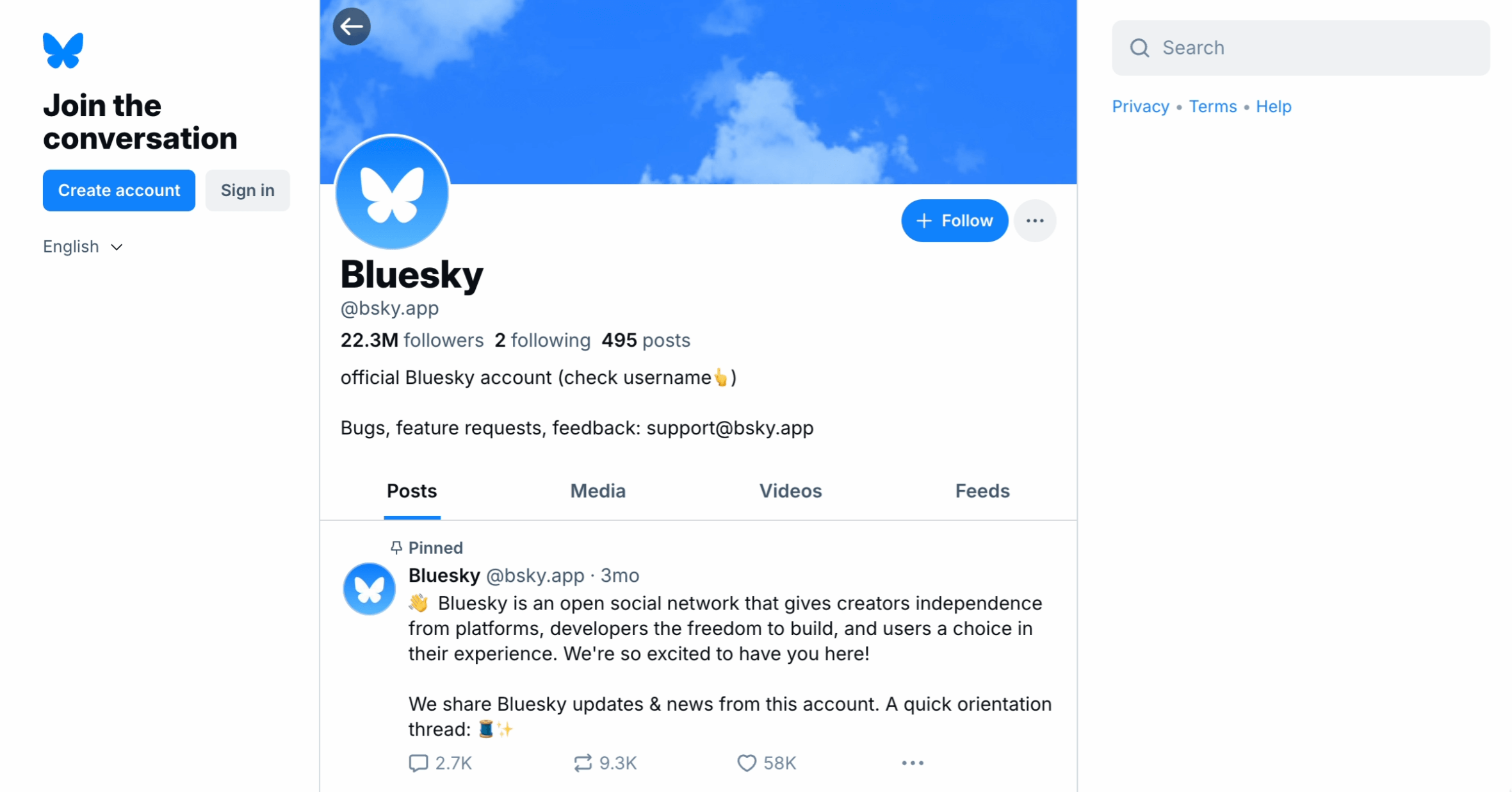
Bluesky, created by Jack Dorsey, the former CEO of Twitter, has quickly surged in popularity, amassing a user community exceeding 25 million. This open social network utilizes the AT Protocol, granting users increased control over their data and algorithms. By forming curated account lists and opting for moderation services, users can better manage the content displayed in their Home timeline and Discover feed.
Bluesky supports text and image posting, alongside features like liking, sharing, and reporting harmful content. New users receive a Starter Pack, which recommends accounts and feeds to follow for swifter content personalization.
Threads
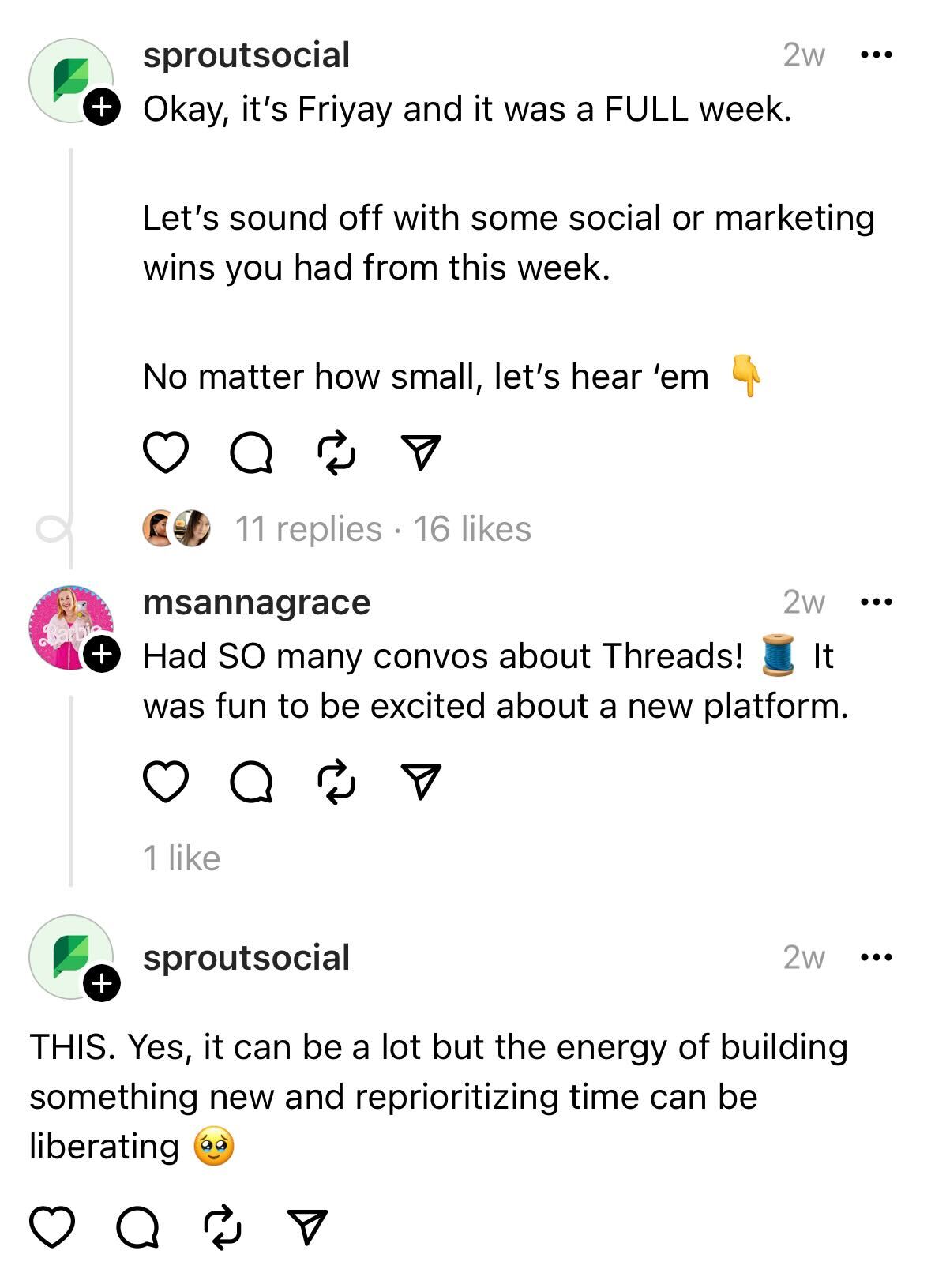
While Threads is not entirely decentralized, Meta intends to utilize ActivityPub, a decentralized protocol, which is also the framework used by Mastodon.
Threads is a text-centric application linked to Instagram. However, Meta’s website states that this platform will allow users to communicate with other platforms in the fediverse. Accordingly, Threads users will have the ability to follow, share content, and engage with users across various platforms.
Steemit
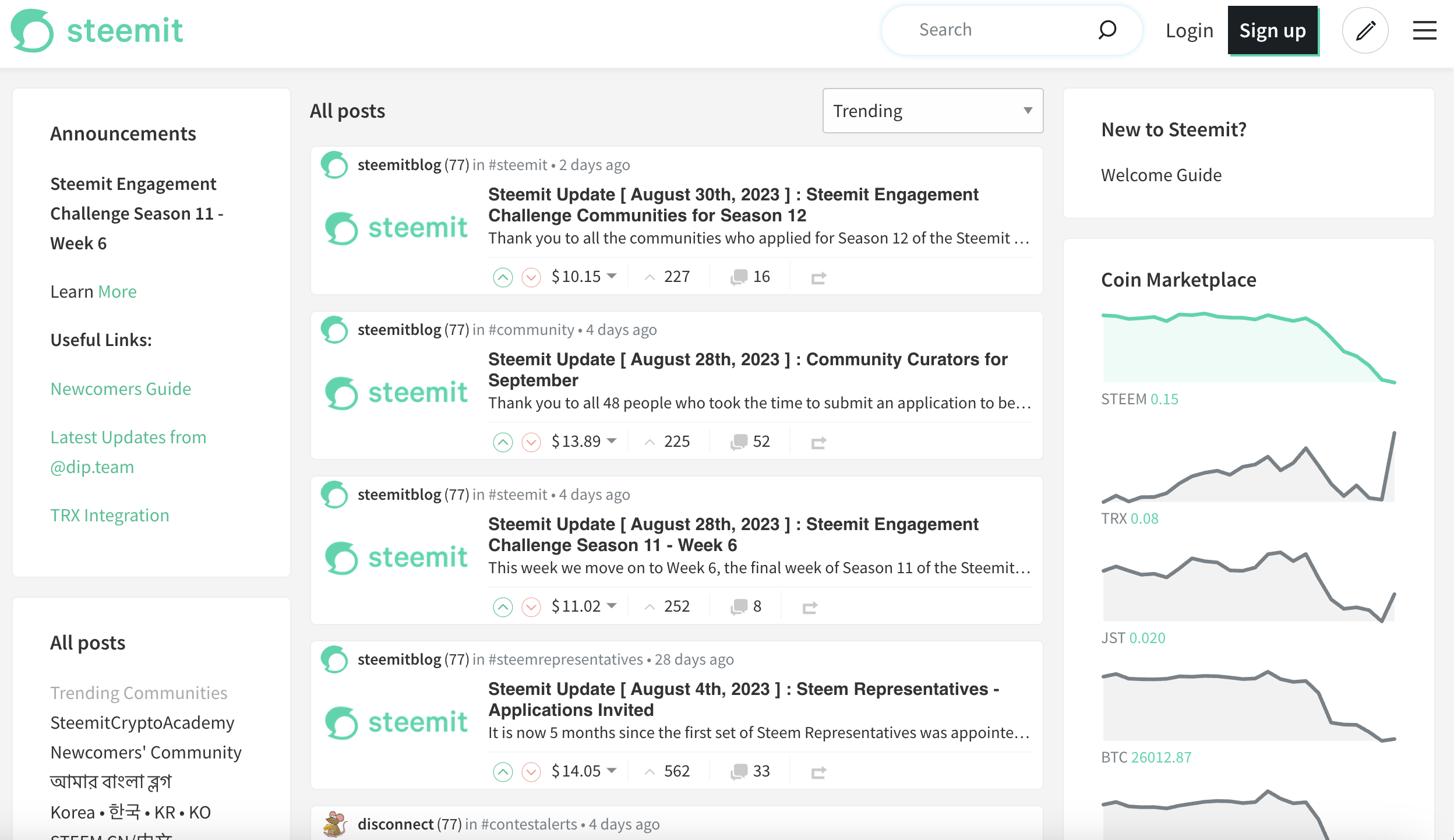
Launched in 2014, Steemit stands as one of the earliest decentralized social media platforms. This blogging venue operates on its own blockchain and features a reward system employing a native token, STEEM.
Users can acquire STEEM by generating content and completing engagement activities such as upvoting posts. The platform also enables users to follow others and build niche communities.
Lens Protocol
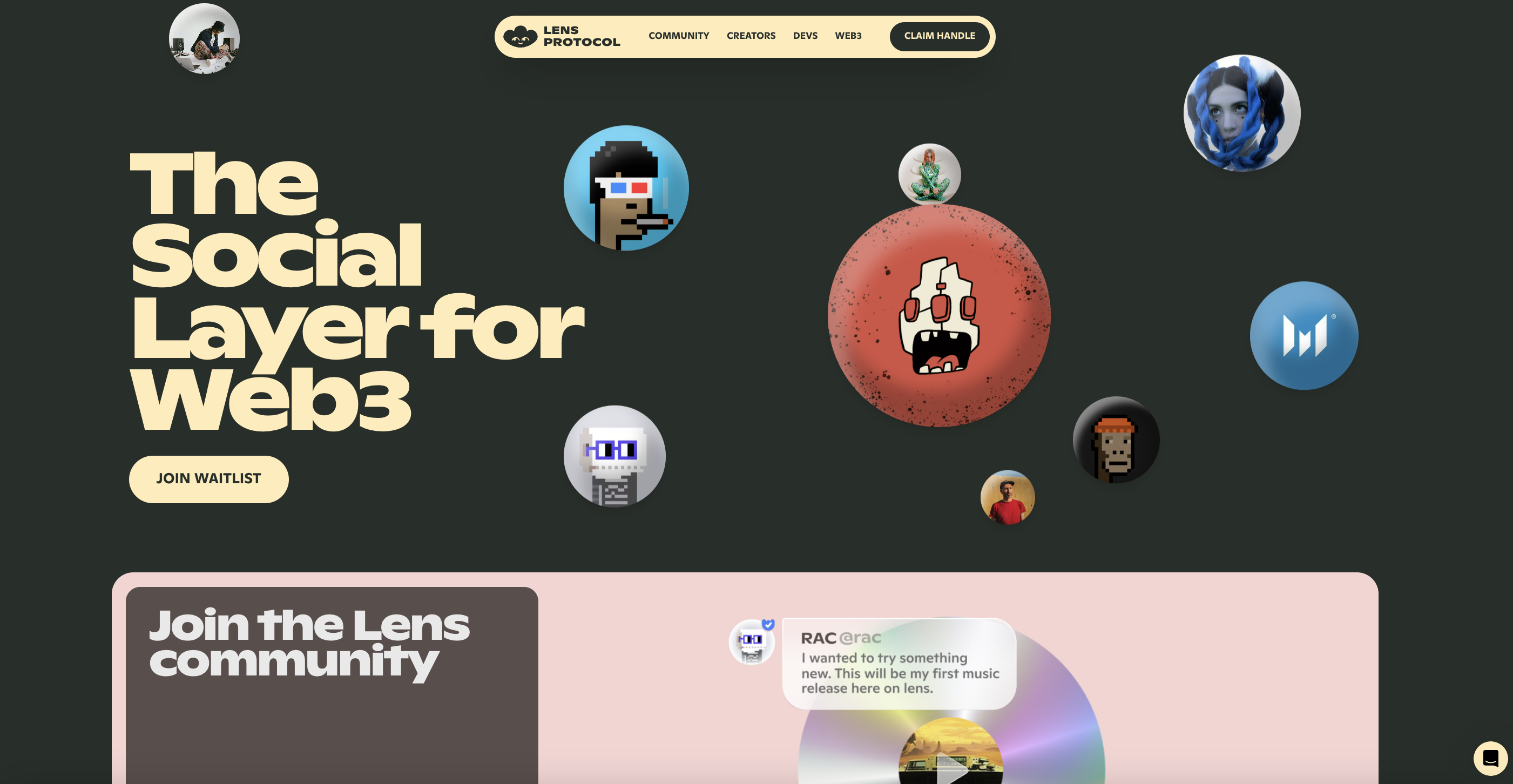
Founded in 2022, Lens Protocol is an open-source social graph based on blockchain technology, designed to empower content creators and artists. Users hold complete ownership over their profiles, content, followers, and data. This platform is based on Ethereum.
Lens Protocol can integrate with various Web3 applications and presents new opportunities for monetization. For instance, Lens handles can be minted as NFTs that users may add to their cryptocurrency wallets. Currently, the platform features over 100,000 beta users, but interested Web3 enthusiasts can sign up for their waitlist.
Hive Social
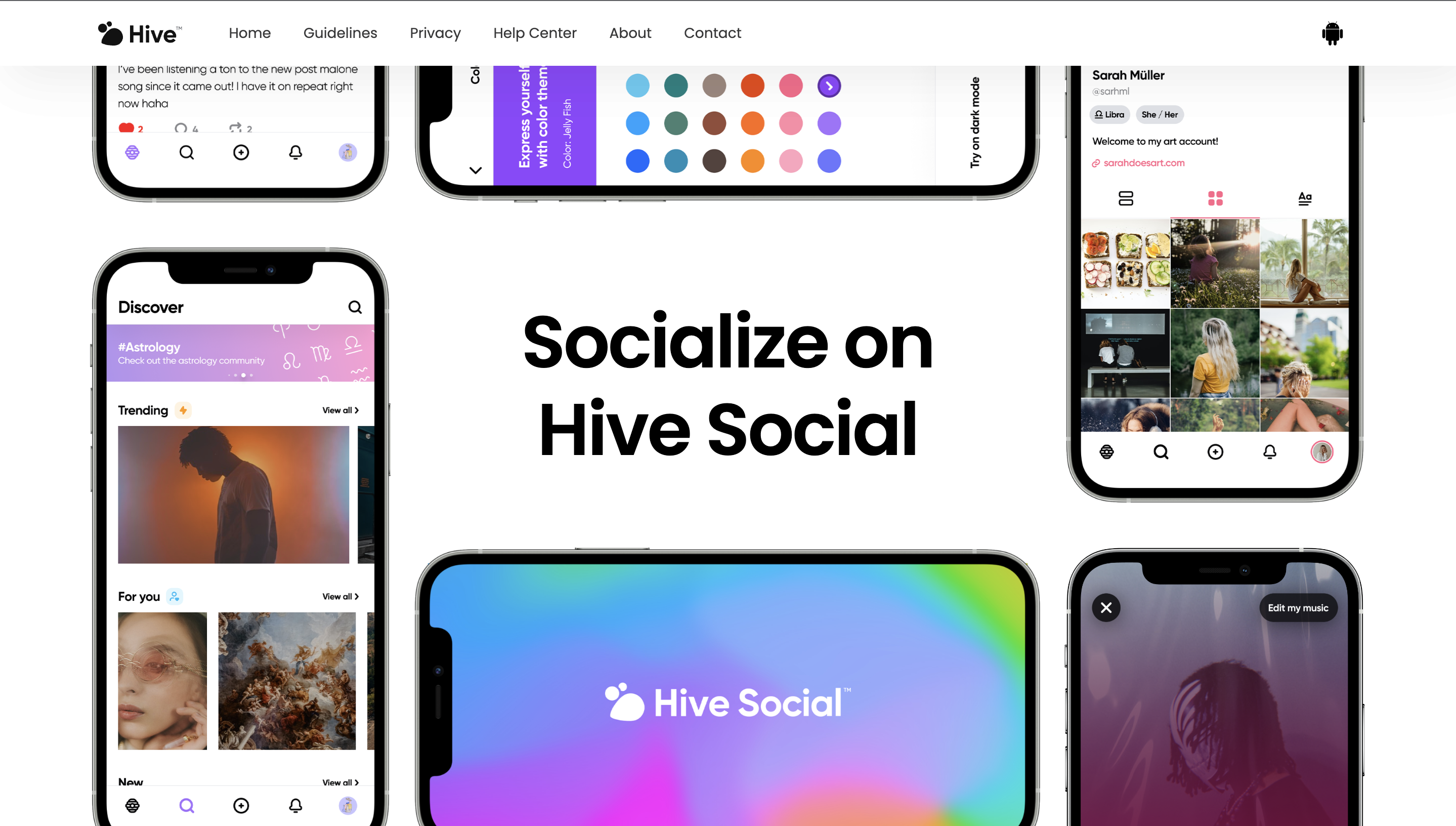
Founded in 2019, Hive Social is another emerging decentralized social media platform that is gaining momentum. By November 2022, the platform had reached 1.5 million users. Featuring polls, image posts, text, and profile music, some might regard Hive Social as a blend of X (previously known as Twitter), Instagram, Tumblr, and Myspace, with several unique elements. It offers a chronological feed and customizable profile options, including color themes and text editing capabilities. Users can also display their pronouns and zodiac signs.
Hive is exclusively available on mobile and has no advertisements, although it employs a native cryptocurrency to reward users for creating and interacting with content, enabling them to monetize their creative inputs while fostering community.
Minds
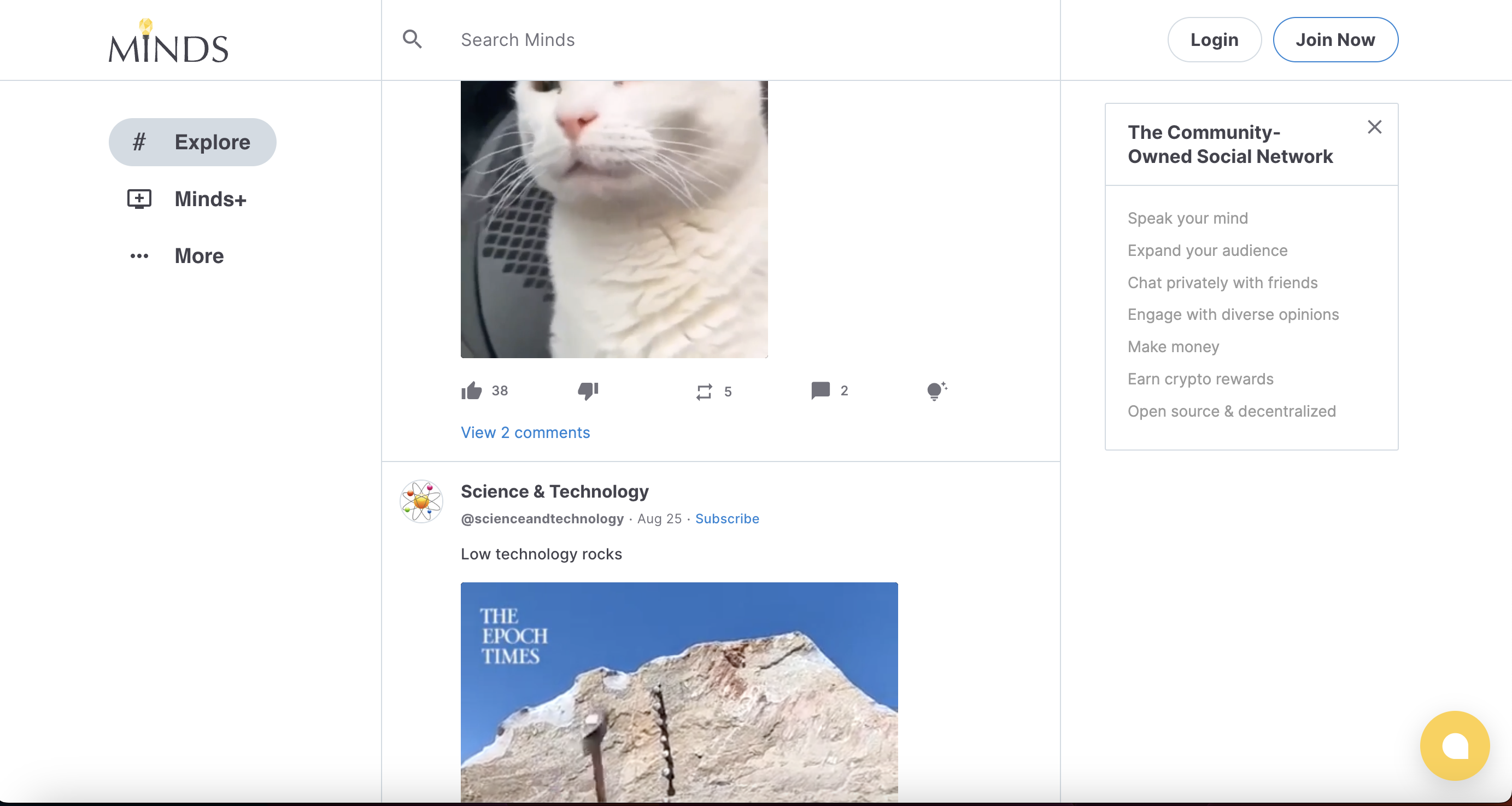
Minds is yet another open-source network focused on giving users control over their social media experiences. This Ethereum-based platform emphasizes user privacy and data control, facilitating participants in crafting personalized algorithms. To incentivize content creation and engagement, Minds rewards users with cryptocurrency.
This compilation is merely the beginning when it comes to decentralized social media platforms, as networks in Web3 continually evolve.
Potential effects of decentralized social media on marketers
As evidenced, various decentralized social media platforms center on empowering user autonomy. This departure from conventional systems will influence how brands approach marketing and social media overall. Let’s delve into the anticipated repercussions for marketers.
Emergence of new monetization methods
Brands will increasingly adopt the novel monetization pathways offered by decentralized social media. Digital currency will be essential for ensuring business resilience and maintaining customer loyalty. Brands might even find it necessary to roll out new cryptocurrency initiatives to bolster engagement.
Focus on organic, community-oriented social strategies
Innovative advertising formats—or possibly the absence of traditional ads—will shape marketers’ tactics regarding paid and organic approaches. Depending on the developments, marketers may witness a surge in organic reach strategies, as these could yield better returns compared to conventional paid advertising.
We conducted a LinkedIn poll below to explore how decentralized social media might influence marketers and social teams the most. The predominant response highlighted community-first strategies, reflecting the core values of decentralized social media.
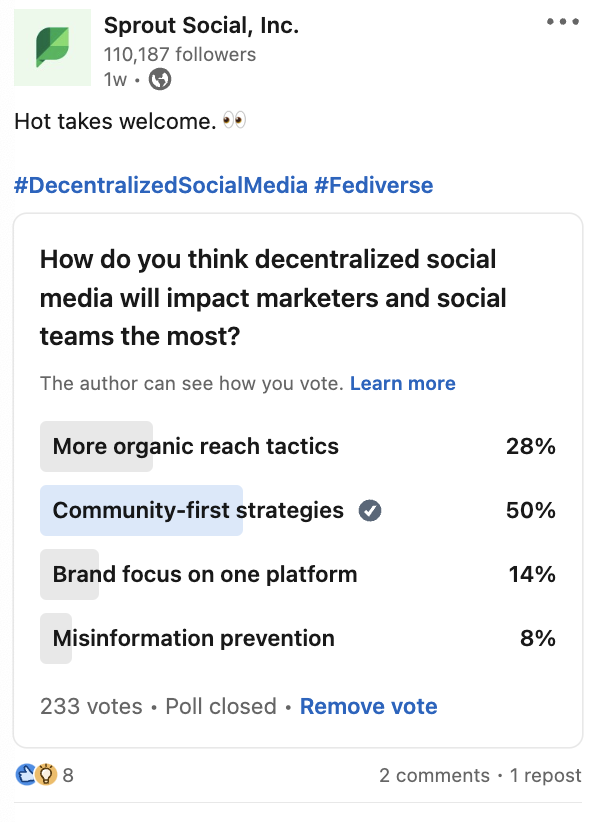
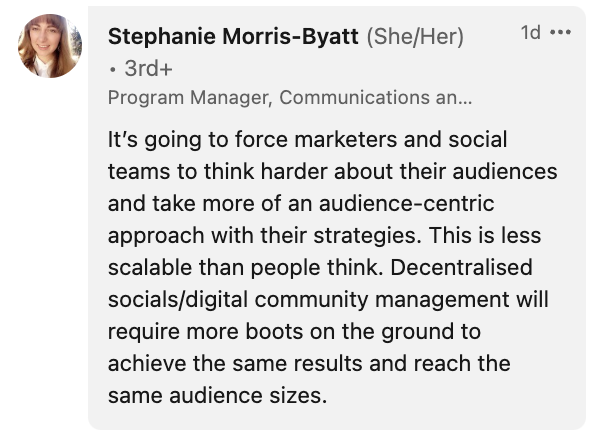
A commenter noted that marketers must adopt an audience-centric strategy, but due to its less scalable nature, managing decentralized communities will require more hands-on effort to expand reach and achieve outcomes comparable to traditional social media:
We might also observe a rise in community-centered strategies that focus on single platforms. Rather than managing multiple accounts across several networks, decentralized social media paves the way for marketers to concentrate on one preferred platform. Expect emphasis to be placed on creating high-quality content that is adaptable and resonates throughout decentralized social media platforms.
Expanded crisis communication frameworks
Resistance to censorship is a key attraction of the fediverse, yet it also brings risks related to misinformation and disinformation. Marketers must establish proactive frameworks for countering misinformation/disinformation and develop comprehensive crisis communication plans to protect their brands.
The trajectory of decentralized social media
While decentralized social media varies greatly from traditional platforms, one aspect remains constant: the human need for connection. Just as with previous waves of technological advancement, marketers will adapt and cultivate relationships to elevate their brands. Delve deeper into forecasts regarding the future of social media to better shape your community strategies.
The article What does the future of decentralized social media mean for marketers? originally appeared on Sprout Social.

Recent Comments