

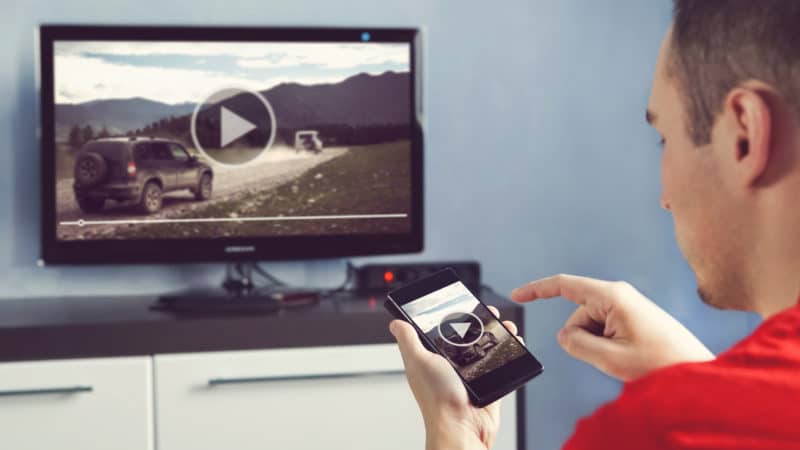
This week, technology company IRCODE introduced an image-scanning platform aiming to replace QR codes in video ads. The company uses a patented technology called Exact Match that lets app users scan physical displays like outdoor ads, and video and TV ads.
After unveiling the technology, the company gave MarTech a peek at how the app works in an exclusive interview. IRCODE previously announced outdoor ad scanning capabilities for the out-of-home market.
“One really cool thing about our patents is that it allows for video recognition,” said founder and CEO Matty Beckerman. “So it’s not just for static ads, but for actual commercials, TV and interactive advertising and digital out-of-home.”
Scanning ads. It uses a technology called Exact Match, which allows users to scan and interact with ads on their phone. Instead of reading a QR code placed on the content, it recognizes the entire image or video and takes the user to the next stage in the journey.
Currently, the solution requires a user to download an app to scan ads, however publishers have the option of integrating IRCODE’s technology in their streaming apps.
“We can white-label our technology directly into networks’ apps, where it could be [the publishers’] app where it can have a shopping function directly [built in],” said Beckerman.
Shoppable products. The new video ad capabilities provide the same interactive functions for users as when they scan a billboard or other static-image ad.
“When you watch a show you can immediately scan the screen and get all of the items, shoppable, right there,” Beckerman said. “The sweatshirt [a TV star] is wearing, you can immediately go to it, open it up directly in Amazon and shop immediately.”
Brand and publisher control. The IRCODE solution doesn’t spontaneously make every scanned object on a screen, or in an ad, shoppable. Instead, the advertiser and publisher choose which destination to take users to according to where in the video the viewer is. The image recognition identifies the specific ad or scene in a video that the viewer is scanning.
It’s easy to see why this would be valuable in a TV show use case. A consumer scans the screen of an episode and is immediately shown featured products, which they can purchase.
The advertiser and publisher select the queue of products — or other actions, a contest perhaps — at every point in the programming. The backend UI allows for marketers to easily drag and drop shoppable products to build out and manage this experience for viewers.
The result is an opportunity for curated brand placement and shopping without QR codes.
“If it’s a beer in the scene, and Heineken has paid a lot of money for product placement, it has to be a Heineken — it better be curated,” Beckerman explained. “That’s why placements are directed by the brand and network.”
Analytics. Advertisers and publishers also can measure ad engagement in real time using IRCODE’s analytics. Metrics include engagement time, location, frequency and conversion rates.
Why we care. From a design standpoint, QR codes are clunky. But they act as a necessary prompt for viewers to scan and interact with the ad. Without the code, streamers have to prompt users to scan in another way — for example, at the beginning of an episode, captioned on the screen, or through instructions by the on-screen talent.
However, with the adoption of visual search with tools like Google Lens, more mobile users are used to pointing and clicking with their phones to comparison shop and learn more about objects in their environment. IRCODE’s approach to shoppable ads fits in with this growing tendency, and the ability for TV publishers to integrate it into their app experience reduces the friction point of having to download a separate IRCODE app.
Dig deeper: Walmart launches shoppable ads on NBCUniversal’s Peacock
The post QR code alternative introduces shoppable video ad tool appeared first on MarTech.
**New Shoppable Video Ad Tool Launched as Alternative to QR Codes**
In the ever-evolving world of digital marketing, businesses are constantly seeking innovative ways to engage consumers and streamline the purchasing process. One of the latest advancements in this space is the introduction of a new *shoppable video ad tool*, which is being hailed as a more seamless and interactive alternative to QR codes. This new technology allows viewers to make purchases directly from video content, revolutionizing how brands connect with their audiences and how consumers shop online.
### The Rise of Shoppable Video Ads
Shoppable video ads are not entirely new, but recent advancements have made them more accessible, intuitive, and effective. These ads allow viewers to click on products featured in a video and be taken directly to a checkout page or product information page without leaving the video itself. This creates a frictionless shopping experience, reducing the number of steps between product discovery and purchase.
The new shoppable video ad tool takes this concept to the next level by integrating advanced features such as real-time product updates, personalized recommendations, and dynamic pricing. It also offers a more engaging and interactive experience compared to traditional QR codes, which require viewers to scan a code with their smartphone to access product information or a website.
### Why Shoppable Video Ads Are Gaining Traction
1. **Enhanced User Experience**: Unlike QR codes, which require users to take out their phone, open an app, and scan a code, shoppable video ads allow viewers to interact with products directly within the content they are already watching. This reduces friction and makes the shopping experience more convenient and enjoyable.
2. **Higher Engagement Rates**: Video content is inherently more engaging than static images or text, and when combined with shoppable features, it becomes even more compelling. Viewers are more likely to interact with a product they see in action, especially if they can purchase it with just a few clicks.
3. **Increased Conversion Rates**: By minimizing the number of steps between product discovery and purchase, shoppable video ads can significantly boost conversion rates. Consumers are more likely to complete a purchase if they can do so without leaving the video or navigating through multiple pages.
4. **Personalization and Targeting**: The new shoppable video ad tool leverages data analytics and machine learning to deliver personalized product recommendations based on a viewer’s preferences, browsing history, and behavior. This level of personalization increases the likelihood of a purchase, as consumers are presented with products that are relevant to their interests.
5. **Cross-Platform Compatibility**: One of the key advantages of the new tool is its compatibility across multiple platforms, including social media, streaming services, and e-commerce websites. This allows brands to reach a wider audience and maximize the impact of their video content.
### How It Works
The new shoppable video ad tool integrates seamlessly with existing video content, whether it’s a brand’s own promotional video, a social media influencer’s post, or a product demo. Here’s how it typically works:
1. **Product Tagging**: Brands can tag products within the video, making them clickable and shoppable. These tags can appear as subtle icons, pop-ups, or overlays that don’t disrupt the viewing experience.
2. **Interactive Elements**: Viewers can click on the tagged products to see more details, such as price, size, and color options. They can also add items to their cart or proceed to checkout without leaving the video.
3. **Analytics and Insights**: The tool provides detailed analytics on viewer engagement, click-through rates, and conversion rates, allowing brands to optimize their video content and marketing strategies.
4. **Real-Time Updates**: Brands can update product information, such as availability or pricing, in real-time. This ensures that viewers always have access to the most up-to-date information, even if the video was posted weeks or months ago.
### The Decline of QR Codes in Video Ads
While QR codes have been a useful tool for bridging the gap between offline and online experiences, they have several limitations when it comes to video advertising. First, they require an additional step—scanning the code—which can be cumbersome for viewers, especially if they are watching on a device that doesn’t easily support QR code scanning (such as a smart TV). Second, QR codes often take viewers away from the content they are watching, which can disrupt the user experience.
In contrast, shoppable video ads keep viewers engaged with the content while allowing them to interact with products in a more natural and intuitive way. This makes the shopping process feel more integrated and less intrusive.
### The Future of Shoppable Video Ads
As consumer behavior continues to shift towards online shopping and video consumption, shoppable video ads are poised to become a dominant force in digital marketing. The new shoppable video ad tool is just the beginning of what is likely to be a broader trend towards more interactive and immersive shopping experiences.
In the future, we can expect to

Recent Comments