
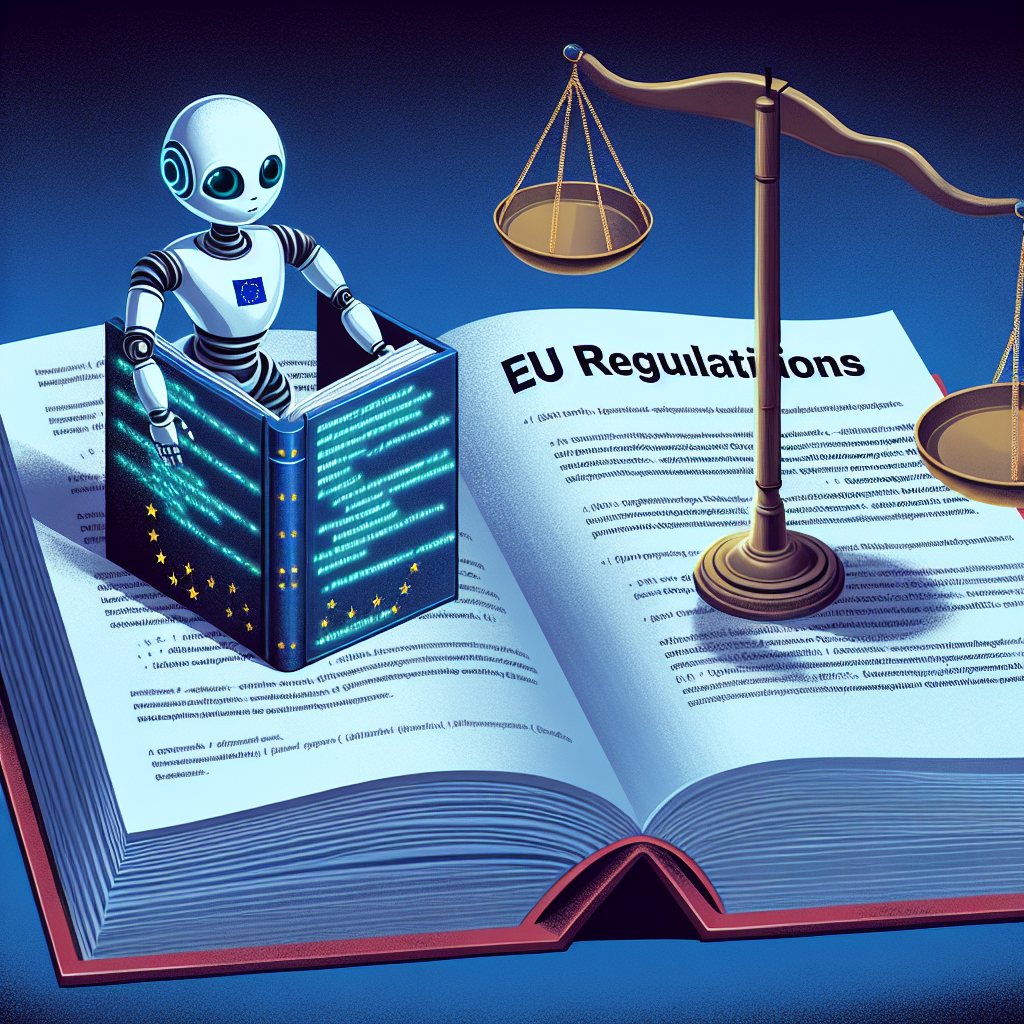
It would be just typical of the E.U. to place citizens’ rights ahead of convenience and profitability for brands — especially tech brands. They do it all the time. Look at the way they just expanded the Digital Services Act to place detailed restrictions on the behavior of almost all “online platforms” (a term that certainly covers hosting services, marketplaces, social media and content-sharing platforms; how sweeping the definition is the courts will doubtless decide).
Here’s another opportunity for them to play spoilsport.
With customer support, service and experience managers rushing to embrace generative AI and increase the deployment of AI-powered conversational tools (so far, much more text than voice), here comes Gartner with a prediction: By 2028, the E.U. will mandate “the right to talk to a human” in customer support and service interactions.
It could happen anywhere
To be clear, although Gartner has made a specific, dated forecast relating to the E.U., it’s not restricting the prediction to Europe. It says that “governments” (no qualifier) may impact support and service teams with “digital only ambitions.”
But if it happens, I predict that it will happen first in Europe. Read more here.
What about the ‘new automation mindset’?
That phrase was coined by Vijay Tella, founder and CEO of Workato, in a book I reviewed here. It ushers in an era where businesses will soon have the tools to be, essentially, fully automated, an era of “AI-for-all.” There will still be humans in the loop, but their role will be radically changed.
If the E.U. does step in to mandate the availability, at least, of non-automated customer support, does interference in enterprise AI stop there? I doubt we’ll see mandatory availability of human-created content, but we might well see mandatory identification of AI-generated content.
Dig deeper: Generative AI faces more regulatory and legal challenges
Taming the dragon
AI, including generative AI, is here to stay and here to disrupt in one way or another. That doesn’t make it some kind of fire-breathing technobeast out of human control. I’ve written before about some of the ways generative AI could itself be disrupted:
- By preventing it (legally) from scraping the data it needs to function through application of copyright law.
- By preventing it (technologically) from scraping the data it needs to function (protecting images from AI appropriation has come a long way in the last few months).
- By finding it in breach of regulations like GDPR (is it unwittingly gathering personal information as it trawls the web?).
We can add to that list: By regulating its use in public-facing business functions. Any brand that thinks it’s time to shrink its human customer support staff because AI can cope with most incoming queries…maybe wait until 2028.

Take the MarTech Salary and Career Survey
From AI to layoffs, it’s been quite a year. How has it been for you? Please take our short survey so we can tell you the state of martech salaries and careers.
The post Will the EU disrupt AI-powered customer support? appeared first on MarTech.
The European Union (EU) has been at the forefront of regulating the use of artificial intelligence (AI) in various industries, including customer support. As AI-powered customer support becomes more prevalent, the EU has proposed regulations to ensure that these technologies are used ethically and responsibly. These regulations have the potential to significantly impact the way companies use AI in their customer support operations.
One of the key areas of concern for the EU is the use of AI in decision-making processes. The proposed regulations aim to ensure that AI-powered customer support systems are transparent and explainable, meaning that customers should be able to understand how decisions are made and why certain actions are taken. This could require companies to provide more detailed information about how their AI systems work and to ensure that customers have the ability to challenge decisions made by AI.
Another area of focus for the EU is data protection. The General Data Protection Regulation (GDPR) already imposes strict requirements on companies that collect and process personal data, and the proposed AI regulations could add additional layers of protection. For example, companies may be required to obtain explicit consent from customers before using their data to train AI systems, and they may need to implement measures to ensure that data is not used in a discriminatory or biased manner.
The proposed regulations also aim to promote accountability and oversight of AI systems. Companies may be required to conduct regular audits of their AI-powered customer support systems to ensure that they are functioning as intended and not causing harm to customers. This could involve independent third-party assessments and the establishment of internal governance structures to oversee the use of AI.
Overall, the potential impact of EU regulations on AI-powered customer support is significant. Companies that rely on AI to provide customer support may need to make substantial changes to their systems and processes to comply with the new regulations. This could involve additional costs and resources, as well as potential disruptions to customer support operations.
However, the regulations also present an opportunity for companies to build trust with their customers by demonstrating a commitment to ethical and responsible use of AI. By embracing the principles of transparency, accountability, and data protection, companies can differentiate themselves in a crowded market and provide a higher level of customer support.
In conclusion, the potential impact of EU regulations on AI-powered customer support is both challenging and promising. Companies will need to navigate a complex regulatory landscape, but those that do so successfully will be well-positioned to provide exceptional customer support in the age of AI.

Recent Comments