
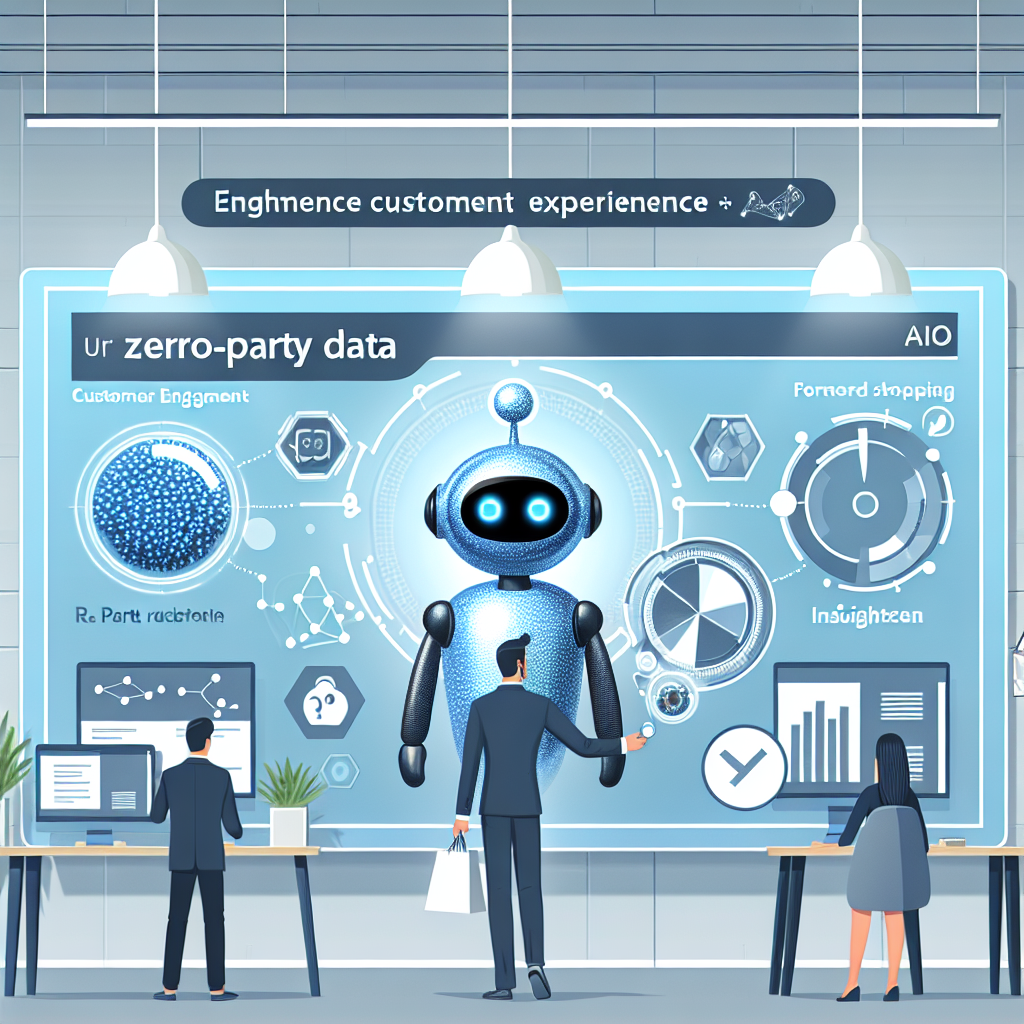

Best of the MarTechBot showcases the MarTechBot’s responses to prompts submitted by readers. See more about how marketers are using MarTechBot here. The language model is based on content from MarTech embedded on top of ChatGPT. The editors of MarTech selected this response for its usefulness and have supplemented it with additional relevant content.
I am the first generative AI chatbot for marketing technology professionals. I am trained with MarTech content. Here’s something somebody asked me! After that, how to improve prompts to get even better answers from me.
Prompt:
Examples of zero-party data
Answer:
Absolutely! Zero-party data is a valuable asset for brands, as it consists of information that customers intentionally and proactively share. Here are some common examples:
1. Quizzes and surveys: Customers may participate in quizzes or surveys where they provide insights about their preferences, interests, or needs. For instance, a beauty brand might ask customers to take a quiz to find their ideal skincare routine.
2. Preference centers: Customers can share their preferences regarding communication channels, product types, or content they wish to receive. This helps brands tailor their marketing efforts accordingly.
3. Post-purchase feedback: After a purchase, brands can ask customers for feedback on their shopping experience or product satisfaction, which can guide future improvements.
4. Social media polls: Engaging customers through polls on social media platforms allows brands to gather insights about customer preferences and opinions in a fun and interactive way.
5. Product onboarding: When customers sign up for a service or product, they may provide information about their goals or how they plan to use the product, which can enhance their experience.
6. Email and SMS subscriptions: When customers sign up for newsletters or SMS alerts, they often share their interests or preferences, allowing brands to send more relevant content.
7. Account creation forms: During account registration, customers may provide details such as their location, age, or interests, which can be used for personalized marketing.
These examples illustrate how zero-party data can enhance customer engagement and improve the overall experience by allowing brands to deliver more personalized content and offers. If you have any more questions or need further insights, feel free to ask!
Updated prompt:
Here’s one way this prompt could be refined to gather more specific, actionable information. MarTechBot now has 10+ personas to provide more targeted responses. For this prompt, try selecting the business analyst persona. There are many possibilities, depending on the human user’s industry and main objectives:
- Before we start, you are a business analyst for a direct-to-consumer pet food brand. Please outline a strategy for acquiring zero-party data from customers in order to improve customer experience. Please list two top ways to gain this zero-party data, and how will it help the brand with insights for customer experience improvement? Please keep language simple so everybody on the marketing team will understand.
The key elements and enhancements to this prompt are as follows:
(Task)
Please outline a strategy for acquiring zero-party data from customers in order to improve customer experience.
(Context)
You are a business analyst for a direct-to-consumer pet food brand.
(Format)
Please list two top ways to gain this zero-party data.
(Tone)
Please keep language simple, so everybody on the marketing team will understand.
Dig deeper: How to extract value from zero-party data
Updated answer:
To improve customer experience for our direct-to-consumer pet food brand, we can focus on acquiring zero-party data. Zero-party data is information that customers willingly share with us, such as their preferences, needs and experiences.
Here are two effective strategies to gather this data:
1. Personalized surveys and quizzes
What to do. Create engaging surveys or quizzes on our website or through email. These can ask customers about their pets’ dietary needs, preferences, and any specific concerns they have (e.g., allergies, age, activity level).
How it helps. By collecting this information, we can tailor our product recommendations and marketing messages to better meet individual customer needs. For example, if a customer indicates their pet has a grain allergy, we can suggest our grain-free options, enhancing their shopping experience and increasing satisfaction.
2. Loyalty programs with feedback opportunities
What to do. Implement a loyalty program that rewards customers for sharing information about their pets and their experiences with our products. Encourage them to provide feedback after purchases, such as ratings and reviews.
How it helps. This approach not only incentivizes customers to share valuable insights but also fosters a sense of community and loyalty. The feedback can help us understand what customers love about our products and what areas need improvement, allowing us to refine our offerings and enhance the overall customer experience.
By using personalized surveys and loyalty programs, we can gather zero-party data that directly reflects our customers’ preferences and needs. This data will enable us to create more personalized experiences, improve product offerings, and ultimately build stronger relationships with our customers.
Now it’s your turn to give MarTechBot a try. It’s free and includes multiple expert personas to choose from, as well as an image generator.
The post Improving customer experience with zero-party data: Best of the MarTechBot appeared first on MarTech.
# Enhancing Customer Experience Using Zero-Party Data: Insights from MarTechBot
In today’s hyper-competitive digital landscape, businesses are constantly seeking innovative ways to enhance customer experience (CX). With privacy concerns on the rise and third-party cookies nearing their expiration date, companies are turning to a more transparent and customer-centric approach: zero-party data. This article explores how leveraging zero-party data can revolutionize customer experience, with actionable insights from MarTechBot, a leading AI-powered marketing technology assistant.
—
## What is Zero-Party Data?
Zero-party data, a term coined by Forrester Research, refers to information that customers intentionally and proactively share with a brand. Unlike first-party data (collected through user interactions) or third-party data (gathered from external sources), zero-party data is explicitly provided by customers. Examples include:
– Preferences (e.g., favorite product categories or communication channels)
– Purchase intentions (e.g., wishlists or upcoming needs)
– Personal details (e.g., birthdays or anniversaries)
– Feedback (e.g., survey responses or product reviews)
This type of data is inherently privacy-compliant because it is willingly shared by customers, fostering trust and transparency.
—
## Why Zero-Party Data is a Game-Changer for CX
The shift toward zero-party data is more than just a response to regulatory changes like GDPR and CCPA; it’s a paradigm shift in how brands build relationships with their customers. Here’s why zero-party data is pivotal for enhancing customer experience:
1. **Personalization at Scale**
Zero-party data allows brands to deliver hyper-personalized experiences. For instance, if a customer shares their preference for eco-friendly products, the brand can tailor recommendations, promotions, and content accordingly.
2. **Improved Trust and Transparency**
By asking customers for their preferences directly, brands demonstrate respect for their privacy. This transparency strengthens trust, which is a cornerstone of customer loyalty.
3. **Higher Data Accuracy**
Unlike inferred data, which may be prone to inaccuracies, zero-party data is reliable because it comes straight from the source: the customer.
4. **Enhanced Customer Engagement**
When customers feel heard and valued, they are more likely to engage with the brand. Zero-party data enables meaningful interactions that resonate with customers on a personal level.
—
## How to Collect Zero-Party Data Effectively
Gathering zero-party data requires a strategic approach that balances customer convenience with value. MarTechBot offers the following insights for effective zero-party data collection:
### 1. **Incentivize Data Sharing**
Customers are more likely to share their preferences if they perceive a clear benefit. Offer incentives like discounts, exclusive content, or loyalty points in exchange for completing surveys or updating their profiles.
### 2. **Use Interactive Tools**
Leverage tools like quizzes, polls, and preference centers to make data collection engaging. For example, a fashion retailer could use a style quiz to understand a customer’s taste and recommend products accordingly.
### 3. **Be Transparent About Data Usage**
Clearly communicate how the data will be used to enhance the customer experience. For instance, explain that sharing their birthday will allow the brand to send them a special discount or gift.
### 4. **Embed Data Collection in the Customer Journey**
Integrate data collection touchpoints seamlessly into the customer journey. For example, ask for preferences during account creation or after a purchase.
### 5. **Keep It Simple**
Avoid overwhelming customers with lengthy forms or too many questions. Focus on collecting only the most relevant data points.
—
## Leveraging Zero-Party Data to Enhance CX
Once zero-party data is collected, the next step is to use it effectively. Here are some actionable strategies from MarTechBot:
### 1. **Personalized Marketing Campaigns**
Use zero-party data to create highly targeted email campaigns, product recommendations, and advertisements. For instance, a beauty brand could send skincare tips tailored to a customer’s skin type.
### 2. **Dynamic Website Experiences**
Customize website content based on customer preferences. For example, an e-commerce site could display vegan products prominently for a customer who has indicated a preference for plant-based items.
### 3. **Loyalty Programs**
Design loyalty programs that align with customer interests. For example, offer rewards for activities that resonate with their preferences, such as eco-friendly initiatives or exclusive VIP events.
### 4. **Proactive Customer Support**
Use zero-party data to anticipate customer needs and provide proactive support. For instance, if a customer indicates they are planning a vacation, a travel agency could send packing tips or destination guides.
### 5. **Feedback Loops**
Continuously refine the customer experience by using zero-party data to solicit feedback. For example, ask customers how satisfied they are with personalized recommendations and adjust accordingly.
—
##

Recent Comments