

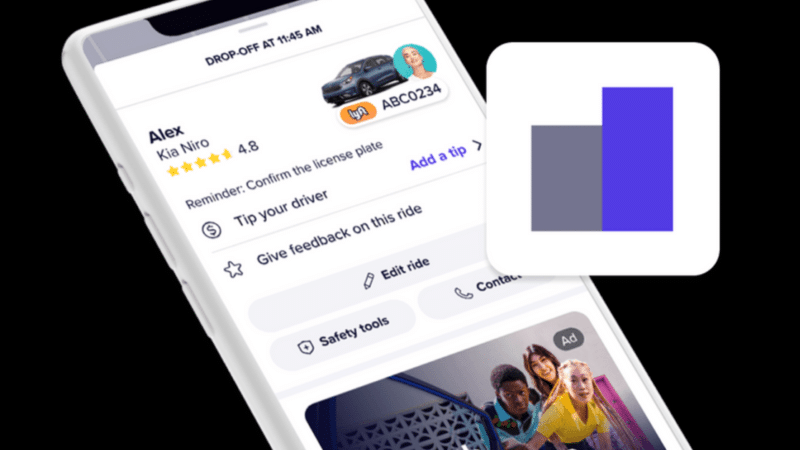
This week, rideshare company Lyft added significant measurement and targeting abilities to its ad platform, Lyft Media. Partnerships with key adtech companies allow Lyft Media advertisers to connect ad exposures during the use of the company’s services to outcomes like store visits and in-app purchases.
Over the last two years, Lyft has built out its ad platform to cover all parts of a customer’s experience. Ads can be shown in the Lyft app, on in-car tablets while the traveler rides in the Lyft car and through out-of-home advertising placed on bikes and bike docks in Lyft’s bikeshare network.
Measurement partnerships. Three new partnerships allow advertisers to measure Lyft Media campaign outcomes:
- Foursquare: Brick-and-mortar advertisers can now use location-based measurement powered by Foursquare Attribution to directly tie ad exposure to in-store visits. This allows advertisers to determine incrementality of foot traffic.
- NCS: The new partnership with NCS enables consumer packaged goods (CPG) advertisers to understand in-store and online sales lift by analyzing buy rates, penetration, and conversions by existing customers and new ones.
- Kochava: Lyft can now provide real-time attribution from their campaigns to digital outcomes using Kochava for Publishers. These outcomes include mobile app installs and post-install events such as in-app purchases, loyalty program registrations and website conversions.
Targeting partnership. Lyft Media also partnered with LiveRamp to add to its targeting capabilities. Previously, Lyft Media advertisers could break down Lyft customers into segments by destination, payment method and lifestyle. Now, advertisers can onboard their own customer datasets using LiveRamp’s privacy-focused identity technology.
Why we care. These additions to the Lyft Media ecosystem help meet digital advertisers’ demands for better measurement. We’re seeing those same demands play out in other areas like retail media networks. While Lyft Media isn’t technically an RMN (it doesn’t serve ads to customers outside of the Lyft customer journey, for instance), its ability to deliver ads while customers order rides and participate in the riding experience are similar.
Dig deeper: Retail media networks evolve with new in-store measurement standards and omnichannel strategies
The post Lyft Media expands measurement and targeting capabilities appeared first on MarTech.
**Lyft Media Enhances Advertising with Advanced Measurement and Targeting Features**
In the ever-evolving world of digital marketing, advertisers are constantly seeking innovative ways to reach their target audiences more effectively and measure the impact of their campaigns with precision. Lyft, one of the leading ride-sharing platforms, has recognized this need and is making significant strides in the advertising space through its dedicated division, Lyft Media. By introducing advanced measurement and targeting features, Lyft Media is empowering brands to connect with consumers in more meaningful ways while providing advertisers with valuable insights into campaign performance.
### The Rise of Lyft Media
Lyft Media, launched as a dedicated advertising arm of the ride-sharing company, has been steadily growing its influence in the advertising ecosystem. With millions of riders using Lyft’s services every day, the platform offers a unique opportunity for brands to engage with a captive audience during their rides. Lyft Media leverages this opportunity by offering a variety of advertising formats, including in-car digital screens, in-app promotions, and out-of-home (OOH) advertising on Lyft vehicles.
However, the true game-changer for advertisers lies in Lyft Media’s recent advancements in measurement and targeting capabilities. These enhancements are designed to provide advertisers with more granular data, better audience segmentation, and improved campaign performance tracking.
### Advanced Targeting Capabilities
One of the most significant improvements Lyft Media has introduced is its advanced audience targeting features. By leveraging its vast pool of first-party data, Lyft can offer advertisers the ability to target specific demographics, behaviors, and geolocations with precision.
#### 1. **Demographic Targeting**: Lyft Media allows advertisers to target users based on key demographic factors such as age, gender, and income level. This ensures that brands can tailor their messaging to resonate with the right audience, increasing the likelihood of engagement and conversion.
#### 2. **Behavioral Targeting**: Lyft collects data on rider behaviors, such as frequency of rides, ride preferences, and travel patterns. This data can be used to create highly targeted campaigns that are relevant to users based on their past behaviors. For example, a brand could target frequent business travelers with ads for travel-related products or services.
#### 3. **Geolocation Targeting**: Lyft’s geolocation data is a powerful tool for advertisers looking to reach audiences in specific areas. Brands can target riders based on their pickup and drop-off locations, allowing for hyper-localized campaigns. For instance, a restaurant chain could advertise to riders who are being dropped off near one of their locations, encouraging them to visit.
#### 4. **Contextual Targeting**: Lyft Media also offers contextual targeting based on the time of day, type of ride, or even the weather. This allows advertisers to deliver timely and relevant ads that align with the rider’s current situation. For example, a coffee brand might choose to advertise during morning commutes, while a streaming service could promote its content during evening rides.
### Enhanced Measurement and Attribution
In addition to improved targeting, Lyft Media has introduced advanced measurement tools that provide advertisers with deeper insights into the effectiveness of their campaigns. These tools are designed to help brands understand how their ads are performing in real-time and make data-driven decisions to optimize their campaigns.
#### 1. **Attribution Models**: One of the most critical aspects of advertising is understanding how ads drive conversions. Lyft Media’s enhanced attribution models allow advertisers to track the entire customer journey, from ad exposure to conversion. By integrating with third-party measurement partners, Lyft can provide advertisers with detailed reports on how their ads are influencing consumer behavior, whether that’s a website visit, app download, or in-store purchase.
#### 2. **Incrementality Testing**: Lyft Media offers incrementality testing, which helps advertisers measure the true impact of their campaigns by comparing the behavior of users who were exposed to the ads versus those who were not. This allows brands to quantify the incremental lift in key metrics, such as brand awareness, consideration, and sales, that can be attributed directly to their Lyft Media campaigns.
#### 3. **Real-Time Analytics**: Lyft Media’s dashboard provides advertisers with real-time analytics, enabling them to monitor campaign performance as it happens. This includes metrics such as impressions, click-through rates, and engagement levels. With this data at their fingertips, advertisers can make on-the-fly adjustments to optimize their campaigns for better results.
#### 4. **Cross-Channel Measurement**: Lyft Media’s integration with other digital platforms allows for cross-channel measurement, giving advertisers a holistic view of their campaign performance across multiple touchpoints. This means that brands can track how their Lyft ads are contributing to their overall marketing efforts, whether that’s driving traffic to their website, increasing app downloads, or boosting in-store visits.
### The Benefits for Advertisers
The combination of advanced targeting and enhanced measurement tools offers several key benefits for advertisers looking to leverage Lyft Media’s platform:
1. **Increased ROI**: With more precise targeting and better measurement

Recent Comments