
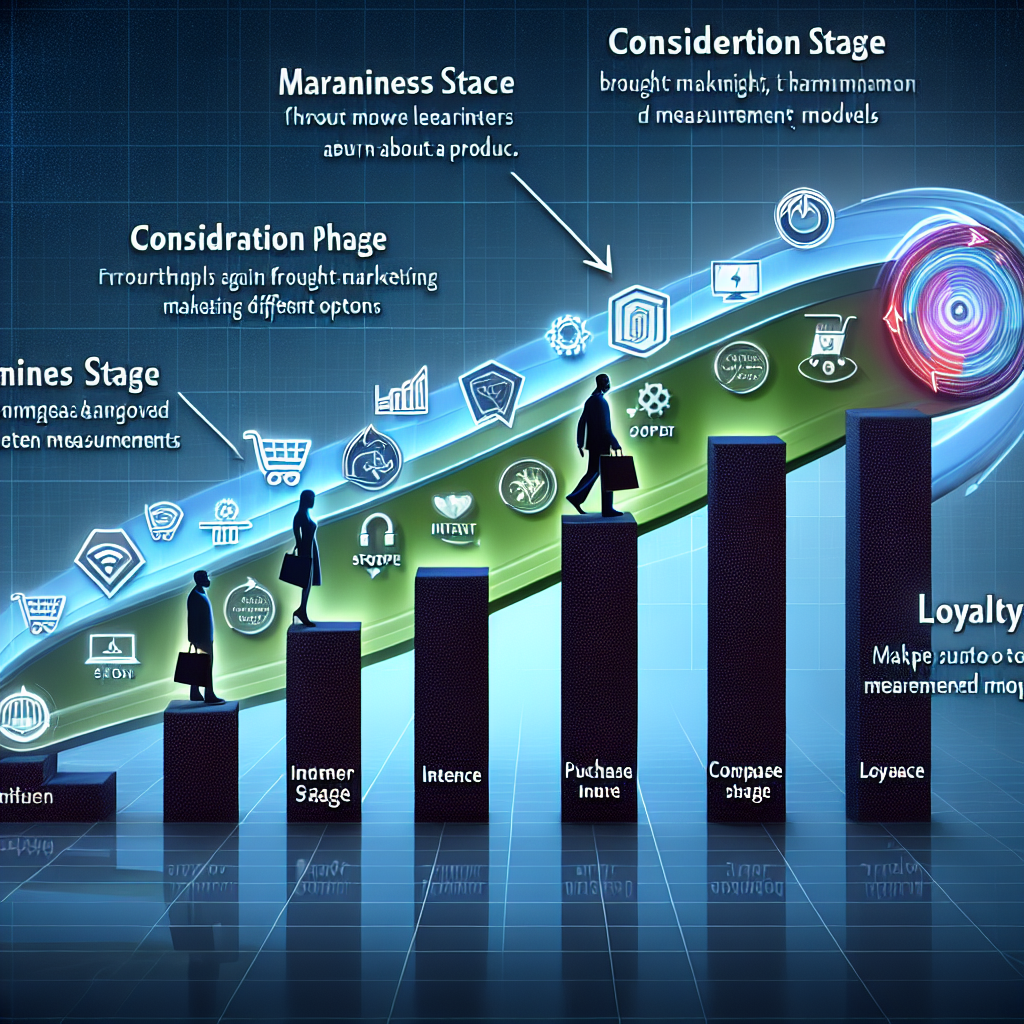

Traditional marketing tracking methods like unique phone numbers and coupon codes are becoming less effective. With stricter privacy regulations and consumers gaining more control over their data, marketers have turned to digital attribution using pixel-based tracking. However, this method overlooks the full customer journey by focusing only on the last interaction before conversion. To better understand marketing impact, distinguishing between attribution and measurement is important.
The limitations of digital attribution
Digital attribution involves assigning credit to specific touchpoints, often focusing on the last interaction before conversion. However, this oversimplifies consumer behavior by assuming the most recent channels are the primary drivers of conversion. It overlooks how different marketing channels influence decisions throughout the customer journey, from awareness to conversion.
The customer journey is rarely linear. It involves multiple touchpoints across various channels before a conversion occurs. In case studies with a consumer brand, traditional attribution methods missed the influence of offline media on sales. However, advanced Bayesian modeling showed that offline media and PR efforts significantly boosted both branded and non-branded searches. This highlights the limitations of last-touch attribution and the need for a more comprehensive measurement approach that captures the full customer journey.
Dig deeper: Measuring the invisible: The truth about marketing attribution
Advanced measurement models: A holistic view
Attribution typically assigns credit to specific interactions, while measurement evaluates the overall impact of marketing across the entire customer journey. Advanced models like Bayesian modeling offer deeper insights by considering how channels interact. These models turn data into actionable insights, helping businesses measure the combined effect of their marketing efforts rather than focusing on just one channel.
Real-world insights from consumer brands
In our work with consumer brands, Bayesian modeling revealed that even after offline media was turned off, it continued to drive actions like enrollments or purchases, showing that multiple touchpoints influence the customer journey over time, not just the final interaction. Digital channels like connected TV (CTV) and search also played key roles — insights that traditional attribution would have missed.
Case studies further confirmed this, with correlation and regression analyses identifying strong links between offline media spending and sales. Despite being uncredited in simple attribution models, offline media was a major driver of lower-funnel activities. Bayesian modeling quantified this with high certainty, showing offline media and PR as top contributors to sales in a consumer technology campaign.
Media mix models reinforced the value of comprehensive measurement. Offline media still positively affected consumer actions, even when turned off. Channels like CTV and Display exhibited strong growth, with CTV outperforming online video (OLV). Branded search, influenced by other channels, remained the strongest last-touch conversion driver, highlighting the need for a holistic approach to measuring performance across all channels.
Navigating the complexities of marketing with advanced models
Understanding the difference between attribution and measurement is crucial for marketers aiming to optimize their strategies. By prioritizing measurement, businesses can reveal the hidden interactions between channels and identify the true drivers of success.
As consumer brands shift their focus to higher lifetime value (LTV) outcomes, they are reassessing the importance of channels like CTV and social media. Saturation curves show that TikTok is great for raising awareness but has limited direct impact on conversions. This insight allows brands to adjust their media investments, shifting budgets from oversaturated channels like native ads to more effective strategies like display retargeting, optimizing the entire customer journey.
Dig deeper: 3 steps to navigating the complex customer journey
Key takeaways for marketers
To summarize, here are the key takeaways from the above:
1. Privacy concerns and market evolution
As privacy regulations grow stricter, traditional tracking methods are becoming less effective. Advanced measurement models provide an alternative by offering a deeper understanding of marketing impact without relying solely on user-tracking technologies.
2. The flaws in attribution
Digital attribution’s focus on recent touchpoints often fails to capture the full customer journey. By not accounting for the complex relationships between channels, attribution can lead to misleading conclusions about marketing performance.
3. The role of advanced models
Bayesian modeling and other advanced statistical techniques offer a holistic view by measuring the overall impact of marketing efforts. These models can identify the cumulative effects of various channels, providing a more accurate and actionable picture of what drives consumer behavior across the customer journey.
4. Real-world applications
Case studies involving consumer brands illustrate the benefits of shifting from attribution to measurement. By embracing advanced models, these companies gained valuable insights into the true drivers of their marketing success, leading to more informed decisions and optimized outcomes throughout the customer journey.
Conclusion
These real-world examples show that prioritizing measurement over attribution provides a more reliable way to evaluate marketing effectiveness. Advanced statistical models capture the complex interactions between channels and help businesses make informed decisions, leading to better marketing outcomes. By embracing these insights, marketers can navigate today’s digital landscape more confidently and effectively manage the entire customer journey.
Dig deeper: Measuring marketing’s impact: From metrics to growth
The post Unlocking the full customer journey with advanced marketing measurement models appeared first on MarTech.
# Maximizing the Customer Journey Through Advanced Marketing Measurement Models
In today’s highly competitive digital landscape, businesses are constantly seeking ways to optimize their marketing efforts and provide a seamless customer experience. One of the most effective ways to achieve this is by leveraging advanced marketing measurement models to maximize the customer journey. These models provide insights into how customers interact with a brand across multiple touchpoints and help marketers make data-driven decisions to improve engagement, conversion, and retention.
This article explores the importance of advanced marketing measurement models, the key types of models available, and how businesses can use them to enhance the customer journey.
## The Importance of Advanced Marketing Measurement Models
The customer journey is no longer linear. With the proliferation of digital channels, customers now interact with brands through multiple touchpoints, including social media, email, websites, mobile apps, and in-store experiences. As a result, understanding how each touchpoint contributes to the overall customer experience and conversion is crucial for optimizing marketing strategies.
Advanced marketing measurement models allow businesses to:
1. **Gain a Holistic View of the Customer Journey**: By analyzing data from various channels and touchpoints, marketers can gain a comprehensive understanding of how customers move through the funnel—from awareness to consideration to purchase and beyond.
2. **Allocate Marketing Budgets Effectively**: With insights into which channels and touchpoints drive the most value, businesses can allocate their marketing budgets more efficiently, ensuring that resources are invested in the most impactful areas.
3. **Optimize Campaign Performance**: By identifying which marketing activities are most effective at driving conversions, businesses can fine-tune their campaigns to improve performance and ROI.
4. **Enhance Customer Experience**: By understanding customer behavior and preferences, businesses can create more personalized and relevant experiences, leading to higher satisfaction and loyalty.
## Key Types of Marketing Measurement Models
There are several types of marketing measurement models that businesses can use to track and analyze the customer journey. Each model offers a different perspective on how marketing efforts contribute to customer actions and outcomes. Below are some of the most commonly used models:
### 1. **Single-Touch Attribution Models**
Single-touch attribution models assign 100% of the credit for a conversion to a single touchpoint in the customer journey. These models are simple to implement but may not provide a complete picture of the customer journey, as they fail to account for the influence of other touchpoints.
– **First-Touch Attribution**: This model gives full credit to the first touchpoint that introduced the customer to the brand. It is useful for understanding which channels are most effective at generating awareness.
– **Last-Touch Attribution**: This model assigns all credit to the final touchpoint before conversion. It is often used to identify which channels are most effective at closing sales.
### 2. **Multi-Touch Attribution Models**
Multi-touch attribution models distribute credit across multiple touchpoints in the customer journey, providing a more comprehensive view of how different channels and interactions contribute to a conversion.
– **Linear Attribution**: This model assigns equal credit to all touchpoints in the customer journey. It is useful for understanding the overall contribution of each touchpoint but may not accurately reflect the varying levels of influence each touchpoint has.
– **Time Decay Attribution**: In this model, touchpoints that occur closer to the conversion are given more credit, while earlier touchpoints receive less. This approach is useful for businesses that want to prioritize the most recent interactions.
– **Position-Based Attribution**: This model assigns a higher percentage of credit to the first and last touchpoints, while distributing the remaining credit among the middle touchpoints. It is useful for businesses that want to emphasize both the initial introduction and the final conversion.
### 3. **Algorithmic Attribution Models**
Algorithmic attribution models use machine learning and statistical analysis to assign credit to each touchpoint based on its actual contribution to the conversion. These models are highly customizable and can provide more accurate insights into the customer journey.
– **Data-Driven Attribution (DDA)**: This model uses historical data to analyze the impact of each touchpoint on conversion. It considers factors such as the order of interactions, the frequency of touchpoints, and the types of channels used. DDA is particularly useful for businesses with complex customer journeys and large datasets.
### 4. **Marketing Mix Modeling (MMM)**
Marketing Mix Modeling (MMM) is a statistical approach that analyzes the impact of various marketing activities on overall business performance, such as sales or revenue. MMM takes into account both online and offline marketing efforts, as well as external factors such as seasonality, economic conditions, and competitor activity.
MMM is particularly useful for businesses with large-scale, multi-channel marketing campaigns, as it provides insights into the effectiveness of each channel and helps optimize the marketing mix for maximum ROI.
### 5. **Customer Lifetime Value (CLV) Models**
Customer Lifetime Value (CLV) models focus on understanding the long-term value of a customer by analyzing their behavior

Recent Comments