

Collaborating with the right influencer can significantly boost your brand’s exposure and foster trust with your intended audience. However, establishing a partnership is merely the beginning. From outlining your goals and aims to crafting and implementing a campaign, extensive strategic planning is essential for managing an influencer marketing initiative.
Whether you are an experienced professional or just starting with influencer management, you may have some questions. How do you maintain oversight of your brand image while relying on an influencer’s creative input? How can you assess success and demonstrate return on investment (ROI)? In this article, we will discuss how to effectively manage an influencer marketing campaign. You will gain insights into the advantages and challenges of influencer management, how to pinpoint the right influencers, and strategies for cultivating long-term partnerships.
What is influencer management?
Influencer management encompasses the process of discovering, vetting, and collaborating with influencers to promote your business. Although brands may have distinct objectives, the primary aim is generally to collaborate with influencers to develop campaigns that capture attention, engage your audience, generate buzz, and extend your brand’s reach.
This management also entails monitoring the outcome of these campaigns to optimize ROI and maintain robust relationships with suitable influencers for future engagements.
The advantages of effective influencer collaborations
What can a meaningful collaboration with an influencer do for your brand? Here are the main advantages.
Increased brand visibility and exposure
Influencers earn their status by attracting thousands or even millions of engaged followers. Partnering with an influencer provides immediate access to their audience, enhancing brand awareness. While there are benefits to teaming up with well-known influencers, a Q1 2024 Sprout survey of 2,000 consumers indicates that a third of respondents say follower count does not influence their likelihood of engagement. For instance, nano and micro-influencers often focus on niche audiences but boast higher engagement rates due to their strong connections with followers.
Enhanced credibility through association with trusted influencers
Influencers bolster brand trust since consumers trust their recommendations. Partnering with an influencer can elevate your brand’s credibility through association and encourage potential consumers to try your offerings. Per The 2024 Influencer Marketing Report, close to half of consumers trust influencers just as much as they did in 2023, with nearly 30% expressing greater trust.
For instance, influencer Kyshawn Lane (@weeklyhomecheck) is celebrated for his home maintenance tips. Since audiences trust his expertise, they are more inclined to trust his product suggestions. In a sponsored post featuring Lysol, he recommends incorporating the brand’s sanitizer into their laundry regimen.

Heightened audience engagement and interaction
People follow influencers because they find them relatable; our influencer marketing report shows they align with their values and appear genuine. Influencers excel at boosting social media engagement, so collaborating with them can encourage more discussions, likes, and shares of your brand.
Higher sales and conversion rates
When influencers enthusiastically promote your brand, their followers are more likely to engage and make purchases, enhancing social media conversion statistics. Our influencer marketing report reveals that nearly half (49%) of consumers make purchases at least once a month as a result of influencer posts, and almost all (86%) have made a purchase inspired by an influencer at least once annually.
Access to innovative, creative content ideas
Influencers are attuned to the latest social media trends since their profession is built around crafting engaging, shareable content. They understand what captivates their audience, allowing them to generate unique sponsored content ideas that differentiate your brand. It’s akin to having a skilled chef cook in your kitchen; they bring forth new recipes and techniques you may not have thought of.
How to find the right influencers
There are influencers in every industry, on every social media platform, and across various budgets. However, pinpointing the ideal fit can be tricky. Here are some methods to help you discover the best influencer for your brand.
Choose influencers aligned with your brand goals
First, grasp your target audience and brand essence to know what to seek in an influencer. Then, assess potential partners by examining their prior work (past collaborations and organic content), engagement metrics, and follower demographics to discover your perfect match.
Utilize an influencer management tool
Influencer management platforms, like Sprout’s influencer marketing platform, maintain extensive databases with advanced search capabilities to efficiently identify influencers meeting your specific criteria. For example, Tagger’s profile discovery tool offers over 50 search filters.
In addition to these discovery features, Tagger provides:
- Find influencers: With a comprehensive database of over 10 million vetted social profiles, Tagger facilitates the identification of influencers who resonate with your target audience and campaign goals.
- Whitelisting: Allows brands to access influencers’ social accounts to manage and respond to comments or direct messages (DMs) linked to sponsored posts, ensuring consistent engagement.
- Boosting posts: Enhances influencer content by promoting posts with paid media through a brand or agency ad account, reaching broader audiences.
- Comprehensive data analysis: Sources posts from over 10 million vetted social profiles across diverse platforms, providing crucial insights to assess campaign efficiency and ROI.
- Sprout Social integration: Sprout Social allows tracking and reporting on essential performance indicators (KPIs) such as reach, clicks, leads generated, and sentiment analysis.
- Tagging structure: Organizes, tracks, and documents influencer activities to help substantiate ROI and enhance strategic planning.
- Adaptability: Keeps up with rapid shifts in social media, allowing brands to quickly adapt to emerging trends and technologies.

Search keywords to locate relevant influencers
If utilizing Google, you can search with phrases like “[region] [niche/industry] influencer” to discover local influencers. Additionally, searching relevant keywords and hashtags related to your products or services on social media can be effective. Social listening also enables brands to find influencers already creating pertinent content by monitoring keywords.
For instance, if you are a skincare brand targeting older women, you might search for hashtags like #MatureSkin or #Over40Skincare.
Establishing long-lasting partnerships with influencers
Like any vendor relationship, nurturing long-term influencer relationships offers various benefits. A sustained partnership means they consistently promote your brand, cultivating more trust and loyalty with their audience compared to a one-time campaign. Over time, they will gain a deeper understanding of your brand, leading to more impactful and genuine content.
According to our influencer marketing report, shared values, transparent budgets, and aligned target audiences are vital factors influencers consider when assessing potential brand partners.
If you want your influencer to remain involved long-term, ensure fair compensation (and timely payments) while involving them early in the process. Engaging them in creative brainstorming and even product and service development discussions will increase their investment in the campaign and help ensure their audience is enthusiastic about it as well.
For example, clothing brand Smash + Tess recently partnered with influencer Alicia Mccarvell (@aliciamccarvell) on a clothing line featuring rompers and dresses. In a promotional Instagram Reel, Alicia shared behind-the-scenes content of her trying on early versions of the collection while expressing gratitude to the brand and its founder “for their eagerness to listen, learn, adapt, and create with me.”

Since Alicia was included throughout the development, the partnership (and her promotion) appears more authentic and reliable.
Challenges in influencer management
Influencer management necessitates regular coordination and communication. Each party has their own schedules and preferences. It’s your responsibility to manage expectations, align everyone’s objectives, and track all moving parts.
Here are some common challenges that may arise in influencer marketing, along with strategies to address them.
Not adhering to the campaign brief
If an influencer doesn’t grasp the brief or overlooks essential elements, they may produce content that doesn’t align with your brand’s requirements. To avoid this, be explicit about your expectations. Provide a comprehensive campaign brief, schedule regular check-ins for questions, and share examples of the desired output.
Timing complications in campaigns
Timing can significantly influence a campaign’s success. For instance, if an influencer delays posting about a product launch, the campaign might lack sufficient visibility. Posting too often or not frequently enough can also affect outcomes. Thus, setting clear deadlines is crucial. Use scheduling tools for organization, and maintain consistent communication to make adjustments as necessary.
Subpar content quality
If an influencer’s content falls short, it may stem from inadequate resources or a lack of understanding of your needs. To prevent this, have the influencer submit drafts well in advance of the campaign launch, and provide feedback to help them refine their content.
High reach but low engagement
This issue can frequently occur with macro and mega-influencers who have vast followings but lower engagement. This situation can also arise with smaller creators if the campaign fails to connect with their audience or feels overly commercialized, poor quality, or hasty.
To avoid low engagement, collaborate with influencers whose demographics align closely with your target audience and who exhibit high engagement rates. Influencers have a deep understanding of their fans, so work with them to create content that genuinely captivates their followers.
Insufficient reporting after campaigns
Lack of quality reporting can result in missed opportunities to learn what strategies worked or didn’t. One approach to mitigate this is to establish fundamental influencer marketing metrics to monitor from the outset. For instance, Sprout’s influencer marketing tool, Tagger, allows for link tracking, enabling users to append UTM parameters and platform pixels to gather comprehensive performance insights.
Choosing an influencer management tool
In the end, the most effective method for managing an influencer marketing campaign is utilizing influencer marketing platforms. These solutions are tailored to simplify and organize every phase of a campaign.
They assist you in locating ideal influencers, managing contracts, communicating and collaborating with their teams, tracking campaign performance, and adhering to deadlines. Centralizing these vital tasks saves time, alleviates stress, and ensures a seamless execution of your influencer campaigns.
Here are three of our top tool recommendations.
Sprout’s influencer marketing platform, Tagger

Sprout’s influencer marketing platform, Tagger, serves as a comprehensive influencer campaign management tool. It features numerous time-efficient tools, including custom landing pages to attract, qualify, and capture prospective influencers, as well as social listening, competitive analysis, and reporting templates. The platform includes in-app portals for real-time discussions and integrates with Shopify, Dropbox Sign, Meta Advertising, PayPal, and Okta.
Heepsy

Heepsy provides tools for discovering and engaging with influencers. It offers access to influencer statistics including engagement rates, growth patterns, follower demographics, as well as interest and behavior data. Users can leverage Heepsy to analyze influencers’ past content to foresee future campaign performance and verify influencer legitimacy.
Pitchbox
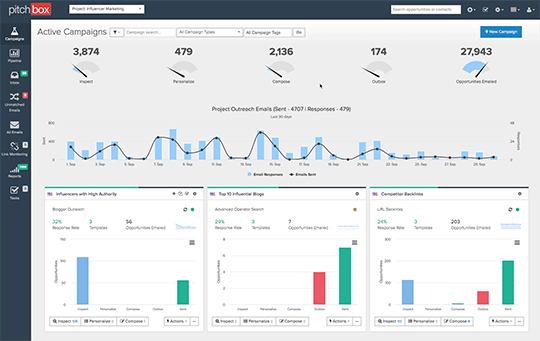
Pitchbox streamlines influencer outreach with customizable email templates and automated follow-up messages. It allows users to track their progress using campaign performance reports and custom analytics.
The secret to effective influencer management processes
Influencer management is a highly collaborative endeavor involving numerous stakeholders. From your marketing team to the influencer and their associates, getting everyone aligned can be challenging.
Fortunately, you need not create a process from the ground up. Influencer marketing tools come equipped with built-in functionalities and templates that can handle much of the workload for you. Discover which influencer marketing platform is best suited to manage your influencer marketing efforts.
The post Influencer management strategies: building successful brand partnerships appeared first on Sprout Social.

Recent Comments