
With an increasing number of organizations cutting back on diversity, equity, inclusion, and accessibility (DEIA) initiatives, a noticeable trend is emerging where companies are retreating from their commitments to social justice. Following the US federal government scaling down DEIA policies, leaders in the United Kingdom and Australia are warning about potential consequences for international businesses.
This raises an important question: is DEIA a thing of the past?
Experts from the Stanford VMware Women’s Leadership Innovation Lab argue that DEI is not dead; rather, it is undergoing a phase that social movements scholars refer to as “closed doors.” This term describes times when exiting the status quo necessitates deliberate strategies, including reimagining ways to foster survival and bolstering the resilience of those committed to driving change.
Cultural heritage months, such as Black History Month, are essential components of many DEI efforts for brands. However, in an environment where performative activism leads to skepticism, how can brands authentically honor Black History Month? Moreover, why is it crucial for brands to continuously support DEIA initiatives?
This article will delve into the notion that Black History Month is merely one facet of a broader commitment brands should make towards cultivating a diverse and inclusive workforce. We will underscore how major companies utilize Black History Month as a foundational element of their year-round DEIB strategies, accompanied by best practices for honoring cultural heritage months—from crafting Black History Month social media campaigns to collaborating with Black creators throughout the year.
What is the purpose of Black History Month?
Black History Month serves as a reminder to celebrate and acknowledge the accomplishments of Black Americans and individuals of African descent. As a cultural heritage month, it is a time to reflect on and honor the contributions of descendants of the African Diaspora. In the United States and Canada, Black History Month is celebrated in February, while it is recognized in the UK and Ireland throughout October. In Australia, it takes place in July and is known as Blak History Month, which honors the history of Aboriginal and Torres Strait Islanders.
Why cultural heritage months on social media matter
Celebrating cultural heritage months like Black History Month and Hispanic Heritage Month empowers brands to forge authentic connections and demonstrate their dedication to DEIA initiatives. By disseminating educational materials and providing historical context, brands can enhance awareness while cultivating a richer understanding among their followers. These celebrations also serve as a platform to elevate the voices of underrepresented communities and organizations, thereby bolstering the brand’s reputation as a socially responsible entity.
Additionally, marketers should consider a critical factor: cultural competency is essential in today’s social climate. The Sprout Social Index™ reveals that 93% of consumers believe brands should remain attuned to online culture.
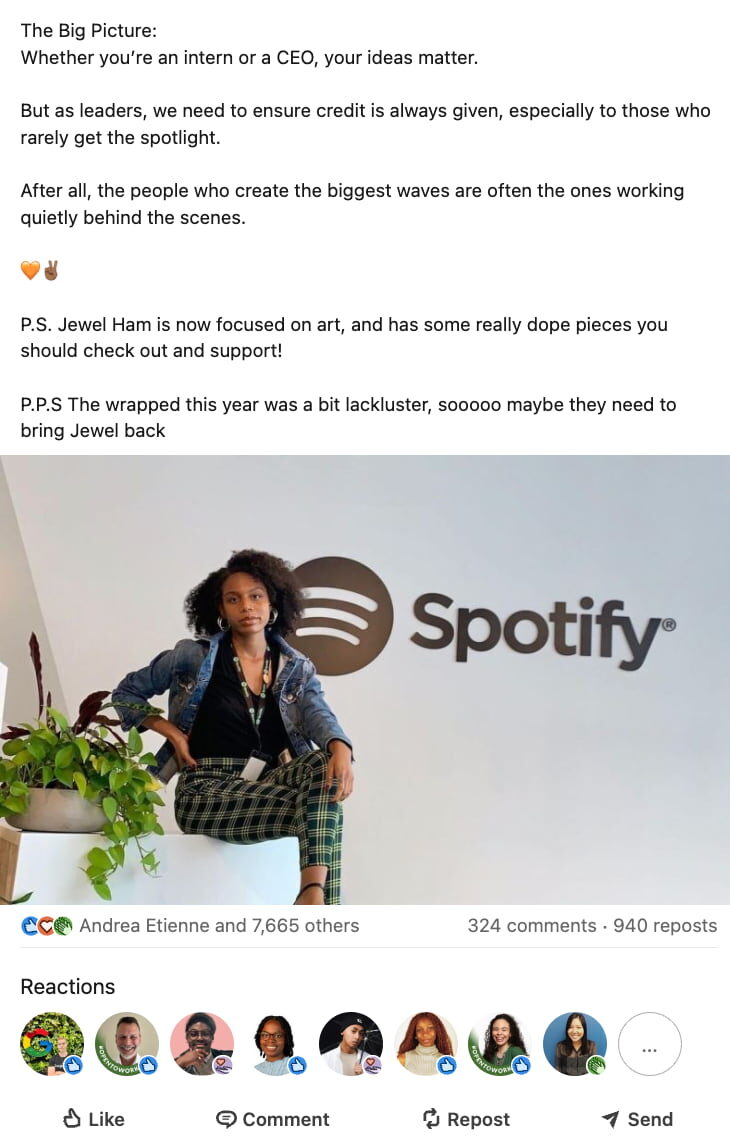
Reflecting on social media trends over the past few years, the influence of Black and brown communities on social media and internet culture cannot be overlooked. For instance, Jewel Ham conceptualized Spotify’s Wrapped as an intern back in 2019, which has since become an annual tradition on social media, inspiring numerous companies to create their own versions.
DEI as a business best practice
Why should brands embrace the celebration of cultural heritage months like Black History Month? It is critical for business success.
Cassandra Blackburn, Director of Diversity, Equity, and Inclusion at Sprout Social, articulates a strong business case for committed DEI efforts and the value they add to an organization.
“The most pivotal component of any business is its employees. They constitute your most precious asset. As an employer, you must cultivate diversity across various levels. Recognizing and valuing diverse communities is vital for employees to feel acknowledged, heard, and integrated into the company culture,” Blackburn states.
The necessity of treating DEI as a best practice is substantiated in a McKinsey & Company report, which found that executive teams with more gender and ethnic diversity are significantly more likely to exceed financial performance expectations.
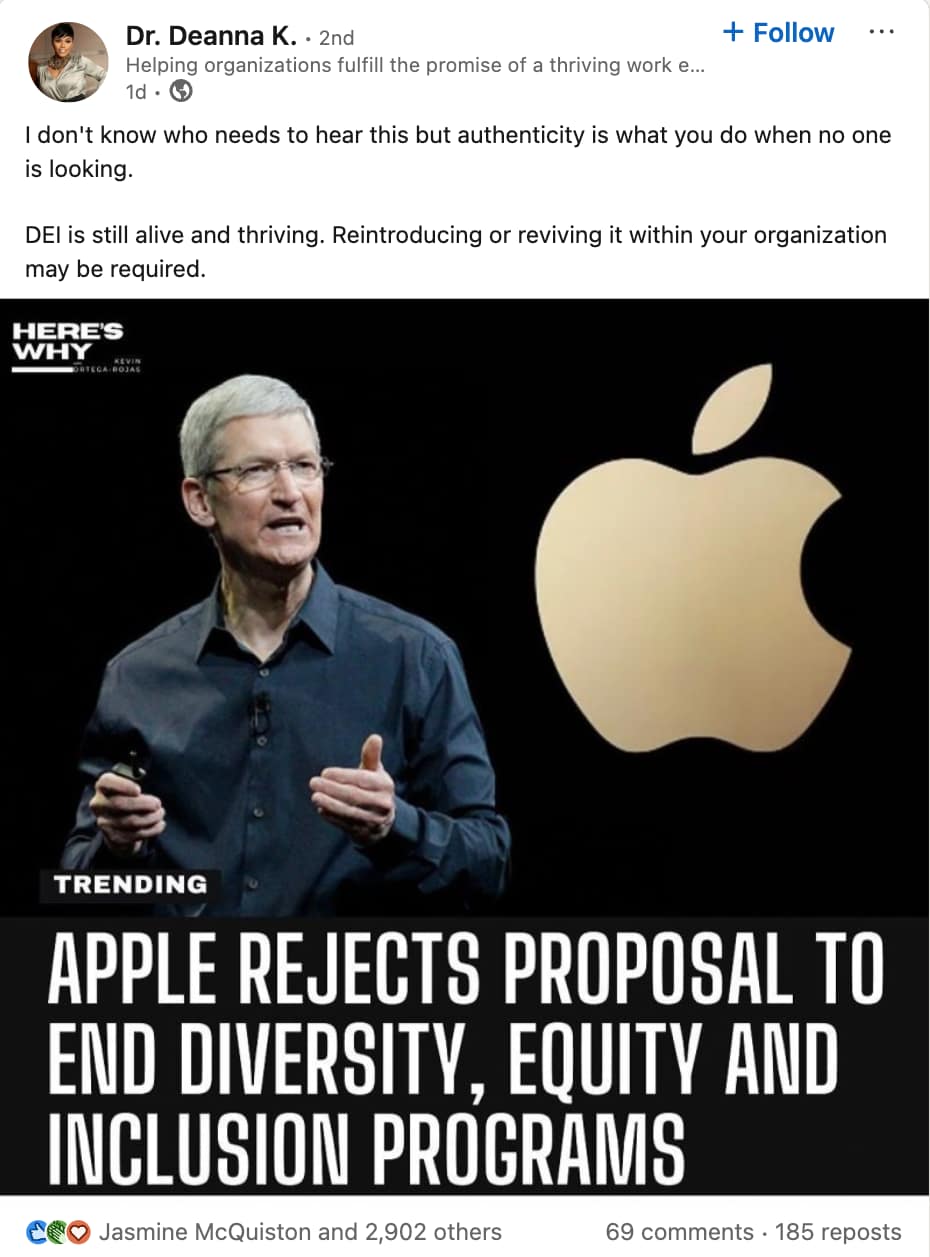
While leading companies are downsizing their DEI initiatives, others remain resolute in their dedication. For instance, 98% of Costco shareholders rejected a proposal urging the wholesale giant to “assess any risks linked to its diversity, equity, and inclusion practices.” In a message to shareholders from Costco’s board, they emphasized that diverse employees and suppliers foster creativity and innovation within their products and services, ultimately enhancing customer satisfaction. Likewise, Apple also urged shareholders to reject an “anti-DEI” proposal.
JPMorgan Chase CEO Jamie Dimon confirmed the firm will continue to advance its DEI initiatives alongside environmental, social, and corporate governance (ESG) commitments. At the World Economic Forum, he expressed the importance of ongoing engagement with the Black, Latine, LGBTQ+, and veteran communities.

These enterprise examples align with findings from a Deloitte 2023 Global Human Capital Trends report, which indicates that 86% of business leaders view embedding DEI into daily operations and team dynamics as essential for organizational success.
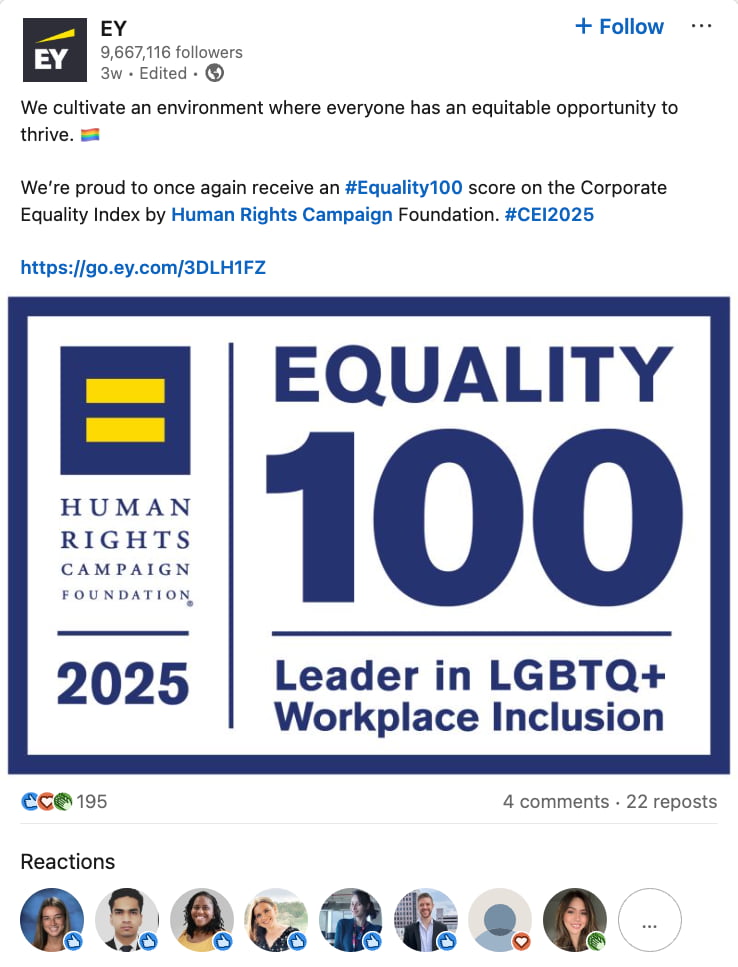
DEI is one of EY’s core values and holds Global Equality Standard (GES) certification. The UK-based firm is renowned for its efforts in fostering an inclusive culture and equitable opportunities that drive decision-making, innovation, agility, and resilience. EY runs various workforce initiatives that support neurodiverse individuals, women in leadership, and ethnic minorities in leadership roles. The company also consistently releases data demonstrating the business impact of DEI, including DE&I Interventions that Deliver. Their 2025 report shares insights from 11 leading diversity advocacy groups in the UK and presents strategies that have significantly enhanced workplace equity and inclusion spanning gender, ethnicity, disability, LGBTQ+ identities, and socio-economic backgrounds.
“As younger generations progress in their careers, the pressures faced by businesses will intensify if they fail to address the needs identified by these groups, particularly as [new generations] assume leadership roles and their voices gain prominence. If organizations do not adequately prepare, they risk facing challenges and potential failure,” Blackburn cautions.
5 best practices for celebrating Black History Month
Here are five effective practices for brands to implement:
1. Acknowledge Black history every day of the year
One of the pivotal best practices is to avoid confining recognition to just one month, which is applicable to all cultural heritage months. Brands must reflect on how they honor Black people, culture, and achievements consistently throughout the year.
“I want brands to recognize that this celebration is ongoing. It’s vital for them to be proactive in finding ways to commemorate, or else it may be seen as inauthentic,” Blackburn emphasizes.
Embracing Black History Month requires brands to move past marketing messages that merely profess solidarity while delivering little substance. If brands genuinely want to honor

Recent Comments