
Imagine this: a beauty influencer applies a new lip gloss shade during a live stream session. She responds to inquiries in real-time as thousands tune in. In just a few minutes, the product sells out.
Sounds like a dream? It’s a reality. This illustrates the impact of live social shopping, a retail phenomenon originating in China that is transforming social commerce globally. As this trend steadily grows in popularity beyond Asia, more brands and creators are recognizing its potential.
This article will dissect everything you need to know: what live social shopping entails, how it operates, the newest trends, and real-life brand illustrations. Additionally, we’ll explore what lies ahead for this developing sector. By the end, you’ll have a clearer understanding of whether live shopping is a beneficial strategy for your brand.
What does live social shopping mean?
Live social shopping is a virtual experience that merges live product showcases with the interactive nature of social media. Think of it as QVC tailored for Gen Z, where brands and influencers present their items through a livestream shopping venue. Viewers can shop the items through clickable links, pose questions, and interact with fellow viewers in the chat.
This trend is particularly captivating as an e-commerce evolution because it offers an engaging experience. Unlike conventional QVC-style television programming, live social shopping enables brands and influencers to connect directly with their audience.
For instance, in a live social shopping session, a fashion brand might feature a new dress while viewers inquire, “Does it fit true to size?” or “Can you show how it pairs with heels?” The host can promptly respond to these questions and model the dress with various footwear options to demonstrate its adaptability.
Live social media e-commerce is already widespread in China, but a McKinsey survey indicates that live commerce is gaining popularity around the globe. Forty-three percent of users in the U.S., 52% in Europe, and 64% in Latin America participate in live shopping events at least once a month.
How does live social shopping function?
A live social shopping event generally occurs on platforms such as TikTok, YouTube, or Instagram, or on specialized live shopping apps (details on these will follow).
Here’s a step-by-step guide for what to do before, during, and after the event.
Before the event
Initially, choose the products you wish to highlight and decide on a live shopping platform for the livestream. Many platforms facilitate viewer purchases without leaving the livestream, featuring tools like QR codes, pinned product links, and in-app checkout.
Moreover, choosing the right host is crucial. You need someone energized, comfortable on camera, knowledgeable about the products, and unfazed by possible technical or on-air issues. The host could be a brand representative, but collaborating with an influencer could help you reach a broader audience and establish credibility. This collaboration might also drive social media sales as their followers already value their recommendations.
We suggest promoting your event through your main marketing avenues and offering exclusive products or discounts to generate excitement. Additionally, get your setup ready with a clean backdrop, good lighting, and quality audio and video. Lastly, prepare some discussion points and practice what you intend to say.
During the event
It’s showtime! Once you’re live, your host must present and discuss the featured products while addressing questions and engaging with viewers. You might also want to have a few team members on standby to monitor the chat and handle any issues that arise.
To sustain excitement throughout the event (and avoid a one-sided sales pitch), consider incorporating audience interaction moments like polls, contests, and giveaways. To conclude, make sure to deliver a final call to action, like an exclusive post-event deal for live viewers.
After the event
Your responsibilities don’t end once the live stream concludes. After the event, analyze key metrics such as views, engagement, and sales to evaluate success and identify areas for improvement in future live shopping events. Continue engaging with participants post-event. Send follow-up messages or emails. Address any questions you overlooked, or share exclusive deals and resources to maintain their interest. Finally, consider repurposing the live stream recording as social content to create FOMO and motivate your audience to join the next event.
Different types of live social shopping platforms
Where you conduct your live event is just as important as what you’re promoting. Various platforms provide distinct tools, audiences, and shopping experiences, so finding the right match can be crucial.
Here are three prevalent live social shopping platforms to consider.
Social media networks with live shopping features
TikTok and YouTube provide live shopping capabilities that let brands and influencers showcase items in their livestreams, which viewers can conveniently tap and add to their carts without exiting the app. You can also go live on Facebook, Instagram, or X, but these sites lack live shopping capabilities. Instagram does provide Instagram Shopping.
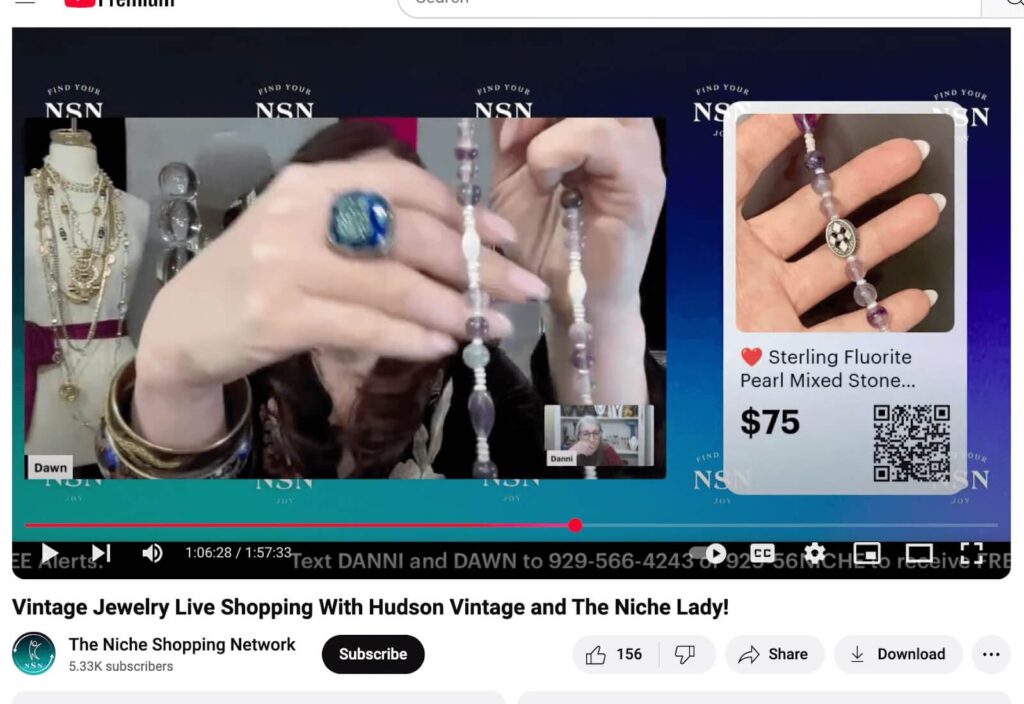 If you’ve never hosted a live social shopping event before, conducting one on a platform where you already have a presence is an excellent way to test the waters. Furthermore, most social media algorithms favor live content, enhancing your reach. However, you may have less control over the shopping experience.
Dedicated live shopping platforms and applications
In contrast to social media venues that offer live shopping as an ancillary feature, applications like TalkShopLive, Buywith, and Whatnot are specifically created for live, interactive online retail.

These platforms provide greater control and enhanced buyer intent since users are specifically there to shop. However, they lack the built-in audience or viral sharing capabilities of social media platforms, and setting them up may require more effort.
Self-hosted shopping platforms
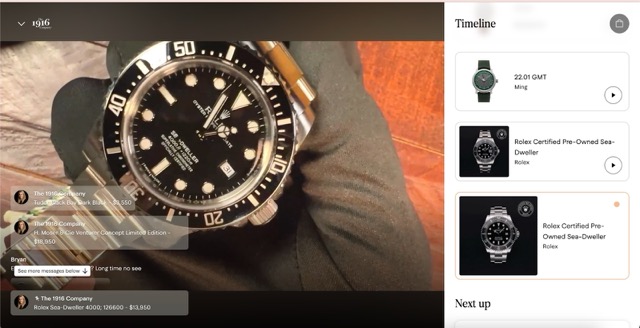
You might follow the lead of global watch and jewelry retailer The 1916 Company and establish your own live shopping application. On their platform 1916 Live, the brand conducts weekly livestreams where viewers can shop new arrivals prior to their website launch.
A self-hosted application grants you total control over branding and the shopping experience. You’re not dependent on third-party platform data or revenue-sharing expenses. However, this option demands the most setup and effort to engage your audience effectively.
Trends in livestream shopping
Livestream shopping centers around creating an engaging experience. The following trends capture shopper interest and transform these streams into must-see events.
Themed events and promotions
Linking your live shopping event to a special occasion creates excitement and urgency.
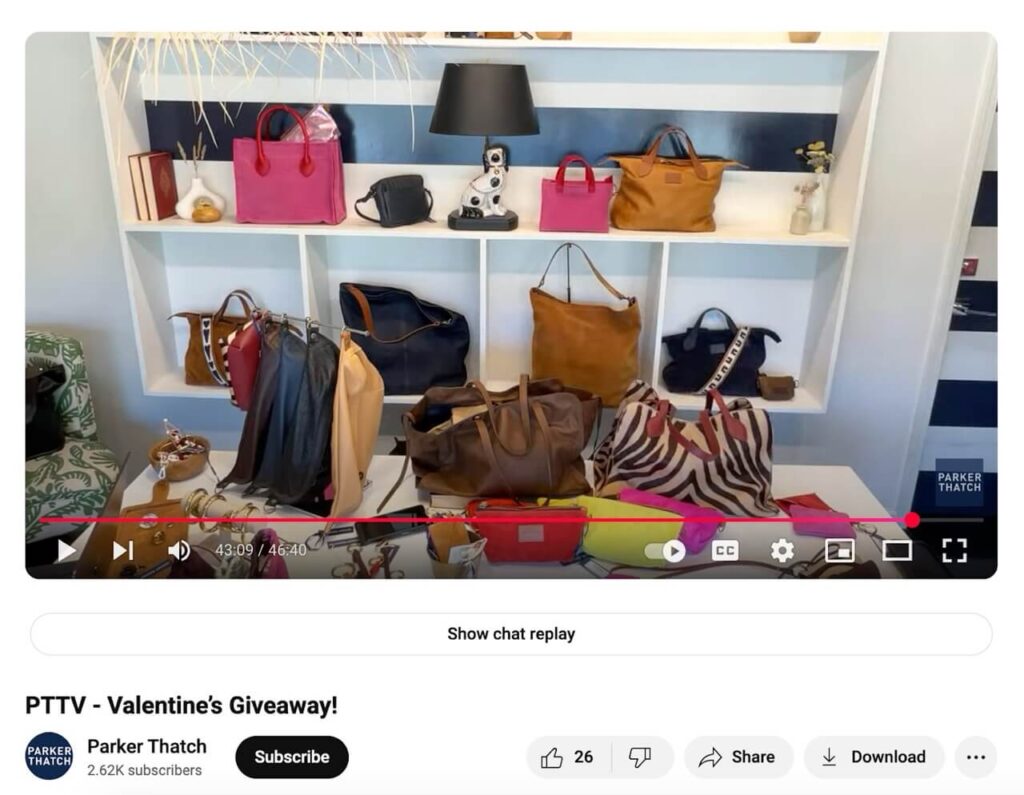
Handbag manufacturer Parker Thatch goes live every Friday on Instagram and YouTube to present new launches and respond to styling inquiries. With Valentine’s Day coinciding with a Friday this year, they hosted a special themed livestream. They showcased their most festive items and concluded the event with a giveaway.
Collaborations with creators
Working with an influencer for a live shopping event allows your audience to ‘hang out’ with their preferred online personality while shopping together in real time. This experience is significantly more enjoyable and intimate than a conventional sponsored post.
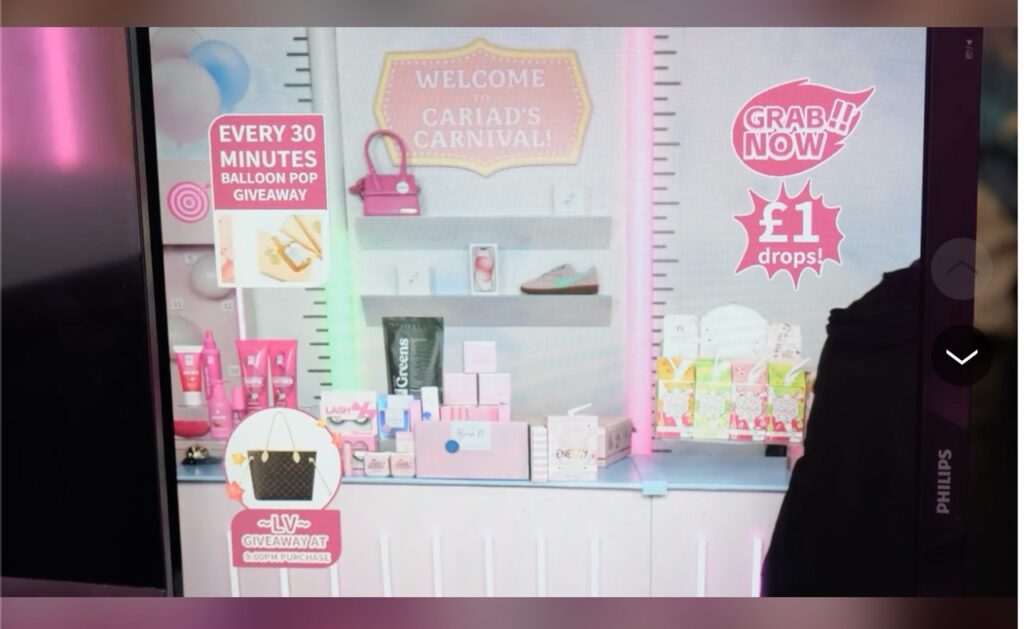
UK beauty influencer Cariad Ryan made TikTok Shop history by hosting a 12-hour live session, showcasing 26 TikTok Shop brands. The event featured an immersive carnival-themed set, brand-led product bundle giveaways, and representatives from P. Louise, Doll Beauty, and BPerfect serving as co-hosts.
Entertainment meets e-commerce
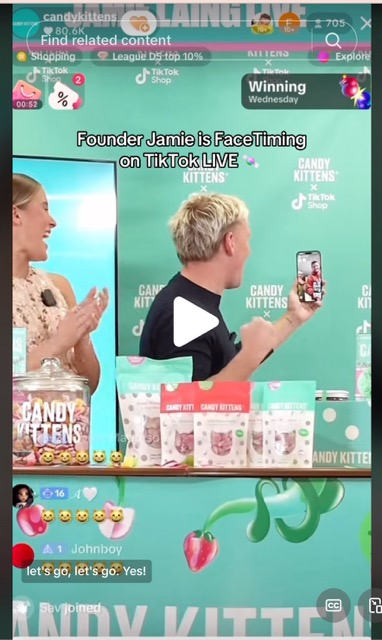
The founder of UK vegan candy brand Candy Kittens, Jamie Laing, knows how to attract an audience. With over one million followers on Instagram and three podcasts, his star quality helped the brand’s inaugural live event shatter all food category livestream records, demonstrating the strength of social commerce in the UK.
Exclusive offers and promotions drew viewers in, but Jamie’s charisma and energy made the event successful, incorporating fun personal touches like FaceTiming customers live during the event.
What lies ahead for live social shopping
As new technologies and trends develop, the future of live shopping is set to become even more interactive, immersive, and creator-driven.
Events powered by AI
AI is becoming more entrenched in our daily lives, and live shopping is no exception. It won’t be long before we witness livestreams facilitated by AI customer service chatbots that address customer inquiries, give recommendations, and aid in the checkout and payment processes.
We also anticipate that AI-generated captions and translations will make live social shopping more inclusive and accessible.
VR and AR integration in live shopping
While live shopping demonstrates products from various angles or on influencers, some guesswork is still involved for shoppers.
This is where augmented reality (AR) and virtual reality (VR) come into play. AR and VR could enable customers to visualize how a product would appear on them or in their home before buying.
Many brands, such as Warby Parker, already provide ‘virtual try-on’ features, making their integration into a live social shopping experience a logical next step.
From influencer to co-owner
Already prevalent in the beauty sphere, we are likely to see more brands creating product lines alongside influencers. For instance, in 2023, TikTok influencer Kat Stickler made headlines by joining natural water enhancer brand Stur as an investor and owner. She remarked: “I’ve admired the brand for so long; being able to add investor and owner to my resume is astonishing.”
Influencers already have a loyal audience and a demonstrated ability to drive sales. However, instead of merely promoting a brand, they’ll now have a genuine investment in its success. Consequently, brands benefit by collaborating with someone customers trust and will be excited to engage with live.
Reasons for brands to adopt live social shopping
Live social shopping transcends mere selling (although that’s a significant aspect!). It’s about forming connections. Through livestreams, brands and influencers can interact with audiences in real-time, merging the personal touch of traditional retail with the vast reach of digital platforms.
It also provides an avenue for brick-and-mortar stores to extend their in-store experience to a global audience. They can showcase their products, respond to questions, and foster community with their customers.
Before you commence streaming, we suggest taking a step back to consider how social commerce aligns with your overall marketing strategy. Take a look at our social commerce strategy interview guide to help you get started.
The post How live social shopping is driving brand results appeared first on Sprout Social.

Recent Comments