
Ecommerce may be thriving, but brick-and-mortar retail remains a critical brand touchpoint. Companies like Netflix and Wayfair are proving that physical stores aren’t just about transactions — they’re influential brand ambassadors that shape perception and loyalty.
The challenge is clear: How can brands create in-person experiences that draw people in and build lasting connections? The answer lies in what digital shopping lacks — an immersive, customer-centric experience that deepens emotional engagement in a way online interactions can’t.
Retail as the ultimate brand ambassador
For years, retail KPIs focused on revenue per square foot. But this thinking misses a key point — brick-and-mortar is not just about selling. In today’s digital world, it’s about branding and customer engagement.
Netflix is preparing to open physical stores by the end of 2025. This might seem out of step with its digital-first model, but it isn’t opening stores just to sell more subscriptions. Instead, it’s turning physical spaces into interactive brand experiences.
Imagine a store where you can enter the world of Stranger Things or have an immersive experience tied to Bridgerton. These spaces are designed to evoke emotional connections and drive engagement. It’s about creating an experience that sticks with people long after they leave.
This idea isn’t unique to Netflix. Other ecommerce-first brands like Warby Parker and Wayfair are also leaning into the experiential aspect of physical stores.
Warby Parker, which began as a digital-first company, now operates dozens of stores. It blends ecommerce convenience with in-store expertise, letting customers try on frames in real life while enjoying digital features like virtual try-ons. The store isn’t just another place to buy glasses — it’s an extension of the brand experience, serving as a product showroom and an embodiment of Warby Parker’s customer-first ethos.
Wayfair is also expanding its physical retail footprint to enhance customer engagement and brand presence. In May 2024, the company opened its first large-format store in Edens Plaza in Wilmette, Ill. The two-story, 150,000-square-foot space offers a comprehensive selection of home furnishings, decor, housewares, appliances and home improvement products. It also features an on-site restaurant, The Porch, providing customers with a holistic shopping experience.
Dig deeper: How to build trust and loyalty in retail with reception marketing
Moving beyond revenue-focused KPIs
If retail is a brand ambassador, businesses must consider how they measure success. Stores are as much about driving brand awareness, loyalty and advocacy as they are about sales. That’s why CMOs must rethink what success looks like for physical stores.
Instead of focusing solely on revenue, consider engagement metrics. How many people visit, participate in in-store experiences, share their visits on social media and return after their first visit?
Apple provides a strong example of how brick-and-mortar stores serve as brand ambassadors while maintaining a strong focus on product sales. Apple Stores serve as key touchpoints for new users to:
- Engage with the Apple ecosystem.
- Receive expert support.
- Experience the brand’s premium customer service.
By focusing on hands-on product interaction, personalized service through the Genius Bar and community-building events, Apple keeps physical retail at the core of its strategy — seamlessly blending sales with brand engagement.
Amazon, on the other hand, has taken an evolving approach to physical retail. While it launched multiple brick-and-mortar concepts — including Amazon Go, Amazon Fresh and Amazon 4-Star — the company scaled back several initiatives, suggesting physical stores must provide a unique value beyond convenience alone.
However, its investment in Whole Foods and continued refinement of Amazon Fresh indicate that the company sees a role for brick-and-mortar in categories like grocery, where immediacy and tactile shopping are essential. Amazon’s experience underscores that physical stores succeed when they complement, rather than replicate, the online shopping experience.
Dig deeper: Here’s how brand marketers can use immersive technology to build an effective retail experience
The future of retail: Brand experience and customer connection
At the heart of modern brick-and-mortar strategies is customer-centricity. For too long, physical stores were designed around efficiency and profitability. However, brands winning in this space put the customer experience front and center.
Everlane initially resisted opening physical stores, with its (former) CEO famously stating he would shut down before going brick-and-mortar. However, customer demand proved otherwise, and in 2017, Everlane opened its first store in New York City. As the company realized, customers still want to touch products before they buy. This shift fueled Everlane’s physical expansion and contributed to its most profitable year in 2023.
Physical stores aren’t making a comeback—they are evolving. The brands that thrive will be those that understand the true role of brick-and-mortar: to serve as brand ambassadors and customer experience hubs. Refining KPIs beyond revenue and focusing on customer-centric retail strategies can build long-lasting relationships and loyalty in ways that online channels can’t match.
For marketing leaders, this is the next frontier — a chance to rethink the purpose of physical spaces and unlock new opportunities to connect with customers. The question isn’t whether to open a store but how to make that store a true extension of the brand and a driver of customer loyalty.
Dig deeper: 7 ways to boost customers’ emotional connection and loyalty with your brand
The post Why digital brands like Netflix and Wayfair are betting on physical stores appeared first on MarTech.
# Why Digital Brands Like Netflix and Wayfair Are Expanding Into Physical Retail
In an era dominated by e-commerce and digital experiences, it may seem counterintuitive for online-first brands like **Netflix** and **Wayfair** to invest in brick-and-mortar stores. However, these companies are increasingly recognizing the value of physical retail as a way to enhance customer engagement, build brand loyalty, and create immersive shopping experiences. This article explores the key reasons why digital-native brands are expanding into physical retail and how this trend is reshaping the retail landscape.
## 1. Enhancing Customer Experience Through Physical Interaction
One of the biggest challenges of online shopping is the inability for customers to physically interact with products before purchasing. While digital brands have leveraged augmented reality (AR) and virtual reality (VR) to bridge this gap, nothing quite compares to the tactile experience of seeing, touching, or trying out a product in person.
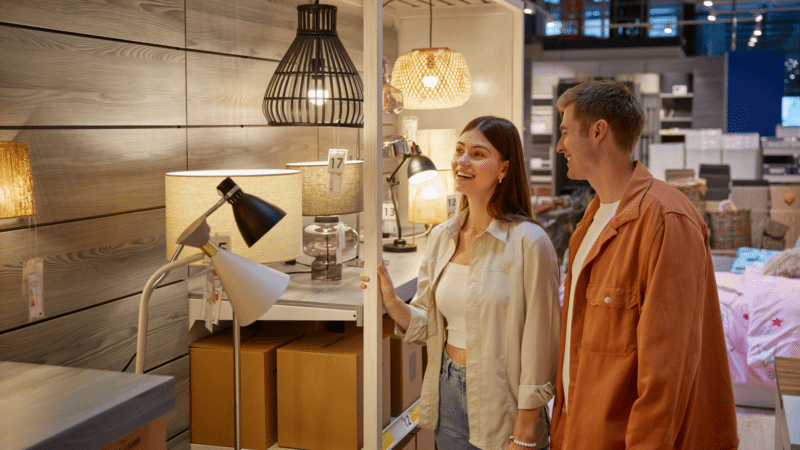
For example, **Wayfair**, a leading online furniture and home goods retailer, has announced plans to open physical stores where customers can see furniture and décor items firsthand. This move allows shoppers to assess product quality, test comfort, and receive in-person design consultations—something that is difficult to replicate online.
Similarly, **Netflix**, a streaming giant, is planning to open entertainment-themed retail locations called **Netflix House**. These spaces will allow fans to immerse themselves in experiences related to their favorite shows and movies, offering exclusive merchandise, themed restaurants, and interactive exhibits.
## 2. Strengthening Brand Loyalty and Engagement
Physical stores offer brands a unique opportunity to deepen their connection with customers. By creating memorable in-store experiences, companies can foster brand loyalty and encourage repeat business.
Netflix’s retail expansion is a prime example of this strategy. By offering fans a tangible way to engage with its content—whether through themed attractions, merchandise, or dining experiences—Netflix is strengthening its relationship with its audience beyond the digital screen. This approach mirrors the success of **Disney’s theme parks and retail stores**, which have long been a powerful extension of its entertainment empire.
## 3. Bridging the Gap Between Online and Offline Shopping
The rise of **omnichannel retailing**—where brands integrate online and offline shopping experiences—has become a key strategy for success. Many consumers prefer a hybrid shopping approach, where they browse online but complete their purchase in-store, or vice versa.
By opening physical stores, digital brands like Wayfair can offer services such as **buy online, pick up in-store (BOPIS)** or **in-store returns for online purchases**, making shopping more convenient for customers. This seamless integration of digital and physical retail helps brands cater to a wider range of consumer preferences.
## 4. Expanding Revenue Streams
Physical retail provides an additional revenue stream that complements online sales. While e-commerce continues to grow, brick-and-mortar stores still account for the majority of retail sales. By entering the physical retail space, digital brands can tap into new customer segments, including those who prefer in-person shopping or are hesitant to buy online without seeing products first.
For Netflix, retail locations could generate revenue not just from merchandise sales but also from **ticketed experiences, themed dining, and exclusive events**. This diversification helps mitigate risks associated with relying solely on subscription-based revenue.
## 5. Increasing Brand Visibility and Market Reach
Having a physical presence in high-traffic locations can significantly boost brand awareness. While digital marketing is effective, physical stores serve as **billboards for the brand**, attracting foot traffic and creating buzz.
For instance, **Amazon’s physical stores**, including Amazon Go and Amazon Fresh, have helped the company reinforce its brand presence beyond the digital realm. Similarly, Netflix’s retail locations could serve as experiential marketing hubs, drawing in both existing subscribers and potential new customers.
## 6. Competing with Established Retailers
As traditional retailers like **Walmart, Target, and Best Buy** continue to strengthen their online presence, digital-native brands are realizing the need to compete on multiple fronts. By establishing physical stores, companies like Wayfair can better compete with furniture retailers such as IKEA and Home Depot, which already have strong brick-and-mortar footprints.
## Conclusion
The expansion of digital brands like Netflix and Wayfair into physical retail is a strategic move aimed at enhancing customer experience, strengthening brand loyalty, and diversifying revenue streams. As the retail landscape continues to evolve, the integration of online and offline shopping experiences will become increasingly important.
By leveraging physical stores as **experiential hubs**, these brands are not just selling products but creating immersive environments that deepen customer engagement. As more digital-first companies explore brick-and-mortar opportunities, the future of retail will likely be a **hybrid model** that combines the best of both worlds.
Would you visit a Netflix-themed retail store or a Wayfair showroom? Let us know your thoughts!

Recent Comments