
Executing influencer marketing initiatives that resonate well while adhering to FTC regulations poses a significant challenge. It’s crucial for your influencer collaborations to appear authentic and captivating. Nevertheless, both brands and influencers are required to be transparent about these partnerships to evade substantial fines. Moreover, staying abreast of emerging marketing trends and evolving guidelines across various platforms adds another layer of complexity.
This article will elucidate the FTC’s influencer guidelines, their significance, and the branded content rules relevant to major social media platforms. We’ll also provide strategies for seamlessly integrating these regulations into your plans so your content remains compliant, authentic, and aligned with your brand.
Note: The content in this article does not, nor is it intended to, serve as formal legal counsel. Please review our full disclaimer before proceeding.
FTC guidelines for influencers and content creators
In August 2023, the Federal Trade Commission released revised guidelines for online endorsements and social media recommendations. These guidelines apply whenever an influencer or creator has a “material connection” with a brand, which is defined as a financial, personal, familial, or employment relationship.
Essentially, if a content creator is compensated to discuss a product, is gifted an item, or receives a discount, this must be disclosed in their communications. These guidelines promote honesty and transparency in endorsements, making it clear when an influencer is connected to a brand.
If an influencer wishes to recommend a product they purchased without any brand relationship, they are free to do so. However, when there is a material connection, these regulations come into play, and it is the duty of both the brand and the influencers to inform their followers.
FTC influencer guidelines do’s and don’ts
Here are some quick tips for ensuring FTC compliance in influencer brand partnerships.
DO:
- Be absolutely clear. If an influencer has received a product for free, a discount, or any other advantage, it must be disclosed—even if their opinion is sincere and unbiased.
- Place the disclosure at the forefront, with the endorsement message, where followers will see it right away.
- Align the disclosure with the media format. Think about how consumers engage with content and adjust the disclosure accordingly—for instance, in a live stream, repeat the disclosure periodically so that even those who join midway can hear or see it.
- Simplify your language. Use direct terms like “Thanks to [brand] for the complimentary product,” “Gifted by [Brand],” or “In partnership with [Brand]” or tags like #ad or #sponsored.
- Maintain consistent language with that of the endorsement and steer clear of jargon such as “comped” or “ambassador” that may confuse followers.
DON’T:
- Assume followers are aware of an influencer’s brand engagements.
- Conceal disclosures by placing them in areas that require extra clicks, such as profiles, “about me” sections, or at the conclusion of a post.
- Combine with other hashtags (e.g., #beauty #ad #faveproducts) or links where viewers might overlook them.
- Avoid vague terms or unclear abbreviations like “sp,” “spon,” or “collab.” Stick to clear identifiers like “ad” or “sponsored.”
- Share endorsements from influencers who haven’t tried, disliked, or cannot confirm the product or service. Only share genuine experiences.
- Publish endorsements that make claims for which you lack evidence. Health benefit claims or results must be supported by documentation.
- Incorporate influencer endorsements into any consumer review average ratings or lists without sufficient disclosure.
By adhering to these simple do’s and don’ts, brands and influencers can maintain transparency, foster trust with their audiences, and comply with FTC regulations.
Importance of the FTC influencer guidelines
The FTC’s guidelines for influencers are not merely a legal formality. They ensure that branded content is truthful and devoid of hidden agendas, allowing followers to receive the complete picture and assess the value of an influencer’s endorsement appropriately. Here’s why adherence to these guidelines is crucial:
Establishing trust with your audience
Picture a friend suggesting a restaurant, only for you to discover they received a complimentary meal for promoting it. This revelation could easily lead you to question their enthusiastic review, right? This encapsulates the rationale behind the FTC guidelines. By disclosing brand connections transparently, consumers are better equipped to make informed decisions, and influencers and brands can uphold their credibility.
According to our Q4 Pulse Survey, 59% of social media users indicate that the #ad label does not influence their purchasing decisions. However, for certain demographics, it makes a difference. A third (33%) of Gen Z respondents stated it increases their likelihood to buy, whereas about a quarter (26%) of Baby Boomers are less inclined to purchase after noticing the #ad label.
This data suggests that, for most social media users, including disclosures doesn’t negatively impact their experience or purchasing habits. Many younger consumers value transparent partnerships and perceive them as trustworthy endorsements.
Adapting to evolving influencer trends
Influencer marketing is in a state of flux, which means that guidelines surrounding influencer relationships must adapt accordingly. For instance, virtual influencers pose a challenge to FTC guidelines given they are not real individuals. Human influencers can share personal experiences regarding a product or service, whereas virtual influencers cannot.
FTC guidelines afford consumer protection by requiring clear disclosures for any paid relationships, regardless of who or what is promoting the product. This ensures that audiences remain informed, irrespective of changes in influencer marketing.
Risks of non-compliance
Both influencers and brands face serious repercussions—such as fines, legal expenses, and other penalties—if they fail to properly disclose their partnerships. For example, in 2020, a tea company agreed to a $1 million settlement after being found liable for misleading consumers by not revealing payments made to influencers endorsing its products.
There’s also the threat of backlash from consumers. In 2023, the FTC issued warning letters to health influencers on TikTok and Instagram who neglected to disclose paid endorsements for artificial sweeteners and sugary items. This fallout damaged trust with their followers, resulting in negative comments and coverage.
Influencer marketing rules by network
Every social media platform has its unique set of rules regarding disclosure requirements, and brands and influencers must grasp the specifics of each. However, utilizing a platform’s inherent disclosure mechanisms does not automatically ensure compliance with FTC regulations. Here’s a brief guide on maintaining content compliance across Instagram, Facebook, YouTube, and more.
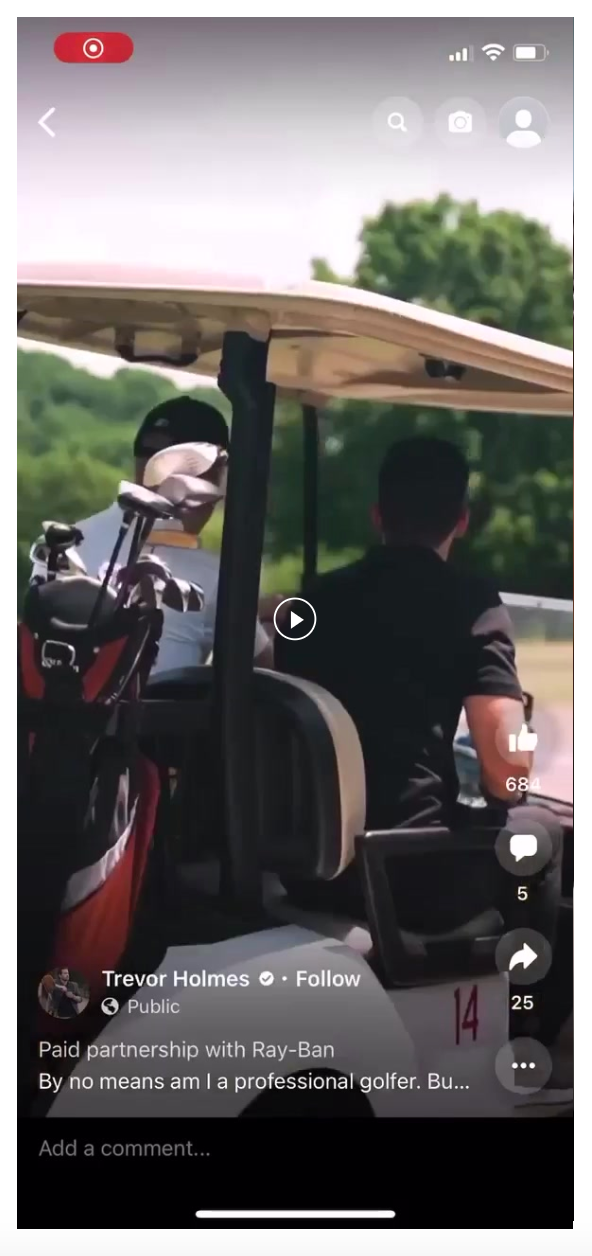
As outlined in their branded content policies, Instagram creators should only share branded content using the branded content tool, which applies a “Paid Partnership” label to posts, Stories, Reels, and live events. This label signifies when a brand or business has influenced the content in exchange for payment or gifts. Creators are required to utilize this tool for sponsored content to ensure transparency with their followers.
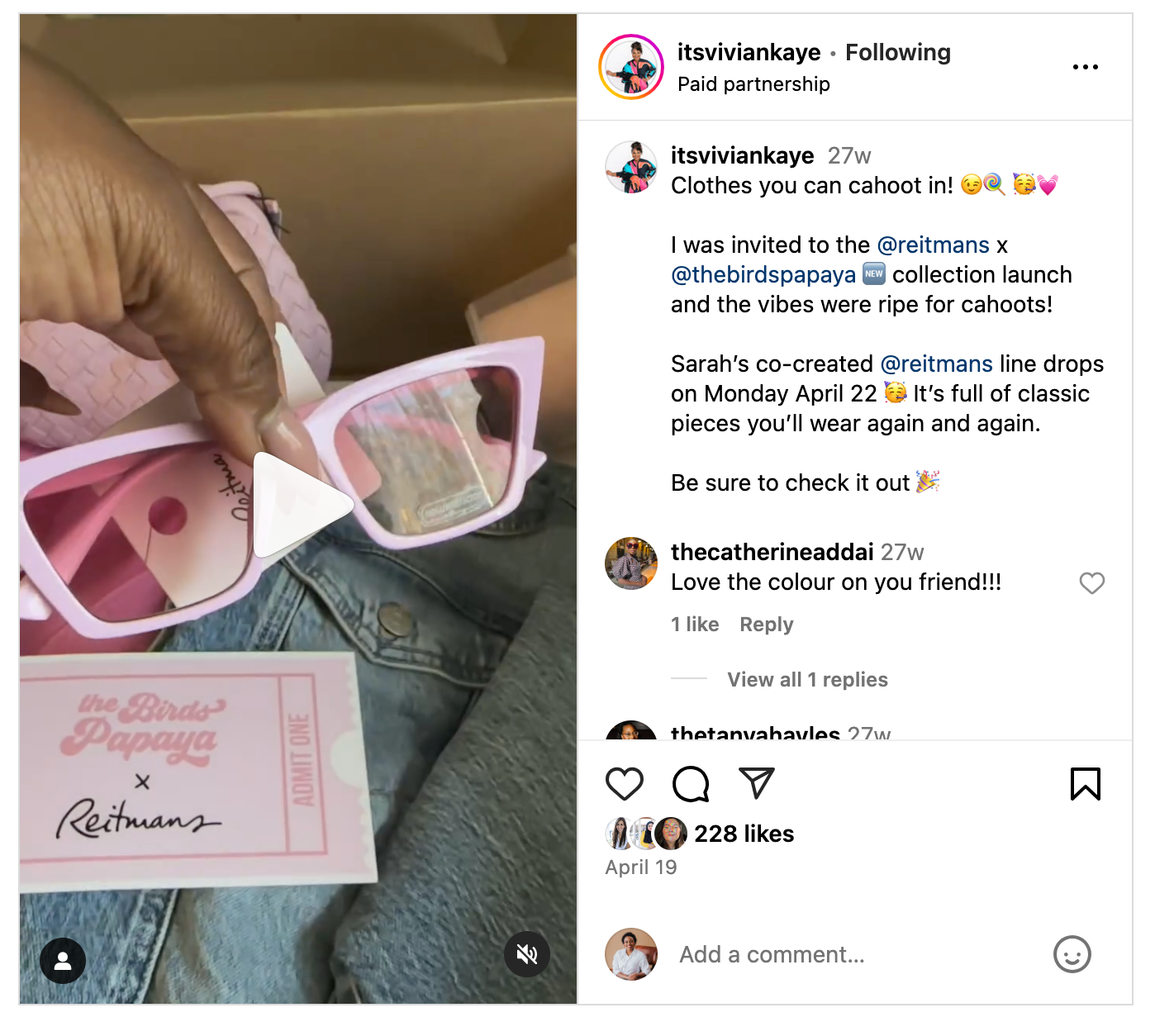
For Instagram posts, disclosures should be placed early in the caption, above the “more” button, ensuring they are visible without additional clicks. Avoid obscuring the disclosure amidst hashtags or lengthy captions. For Instagram Stories, it’s advisable to overlay the disclosure directly onto the image or video and keep it visible long enough for viewers to read. These practices help ensure the brand partnership is clear to the influencer’s audience.
TikTok
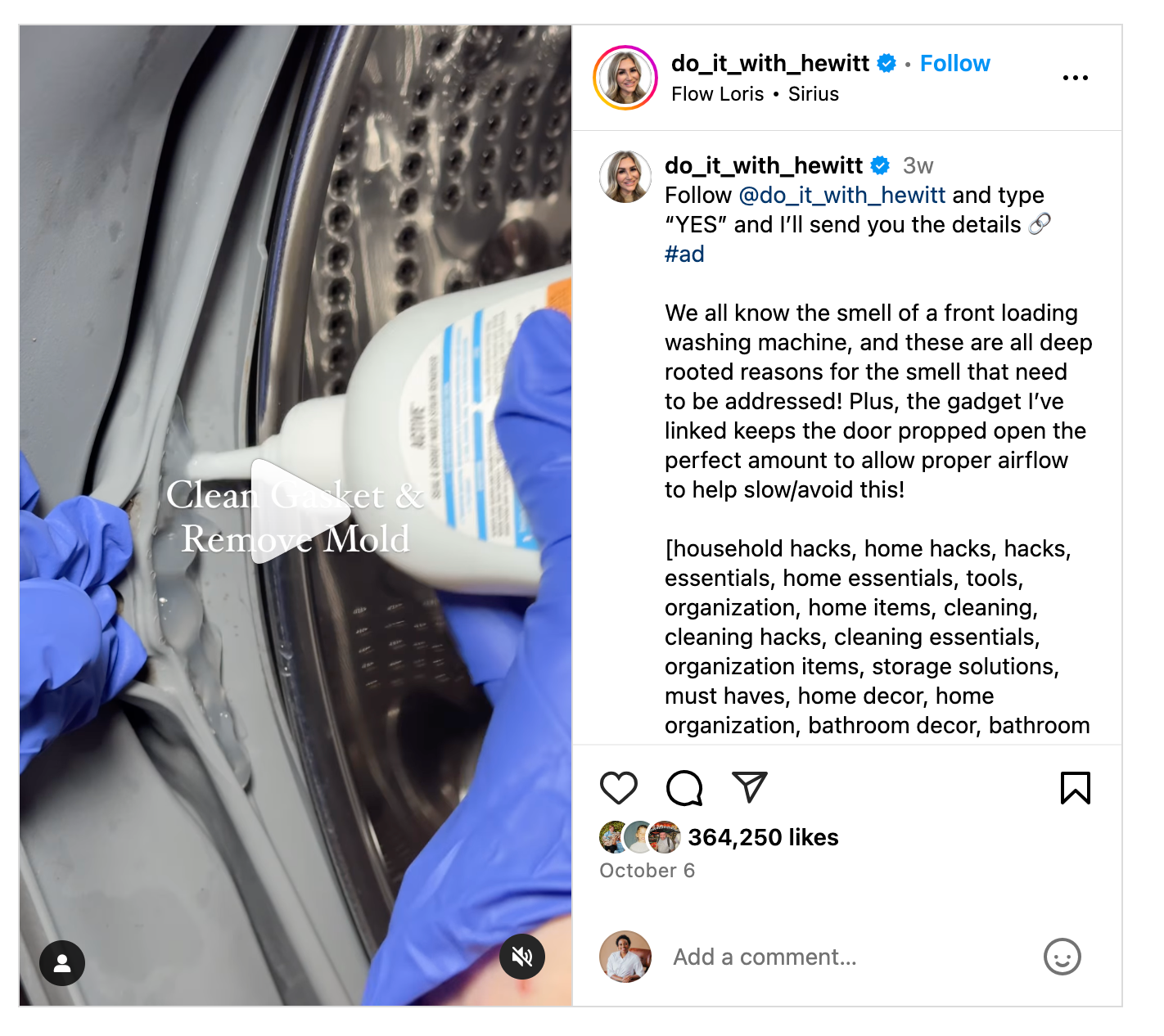
On TikTok, creators must employ the platform’s “commercial content disclosure” toggle for any branded content, which automatically adds a “paid partnership” tag to videos or live broadcasts. This label instantly identifies the content as sponsored or part of a collaborative effort. TikTok also mandates that creators explicitly mention the promoted product or service within the content so that viewers don’t need to check the creator’s profile or click links to understand the endorsement.
FTC guidelines suggest that video disclosures should be audible, visible, and positioned at the beginning of the content. For streams like TikTok LIVE, it’s best to repeat the disclosure at intervals to inform late viewers about the brand partnership.
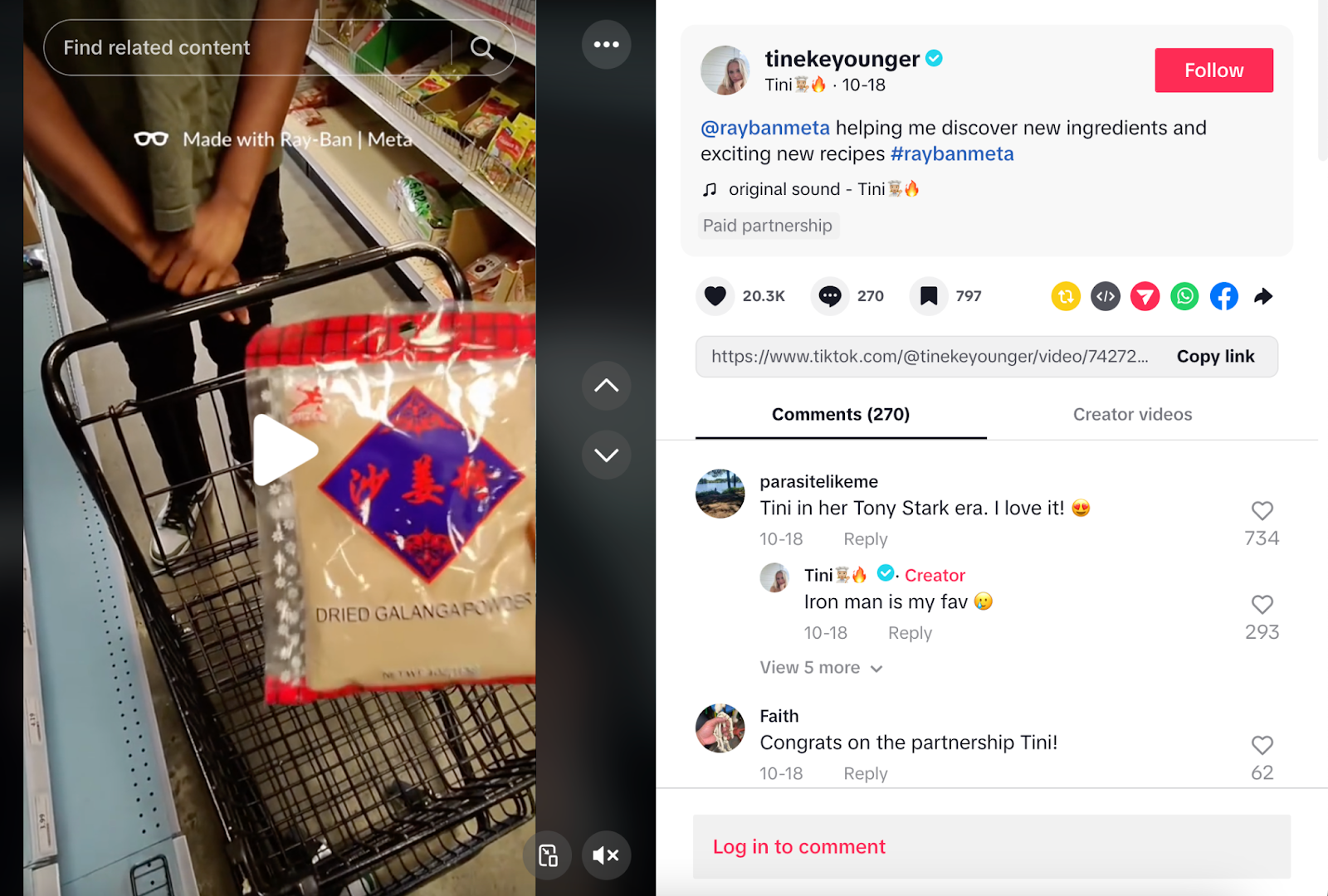
Since Meta oversees both Instagram and Facebook, they adhere to the same branded content standards. This requires creators on either network to use the branded content tool for sponsored posts, even if they were gifted the product or service they promote.
When disclosing a partnership in a Facebook post or caption, utilize clear language such as “Thank you [Brand] for the complimentary service” or tags like #ad or #sponsored near the caption’s start. Avoid ambiguous terms or hashtags like #ambassador or #partner, as they do not satisfy FTC expectations.
YouTube
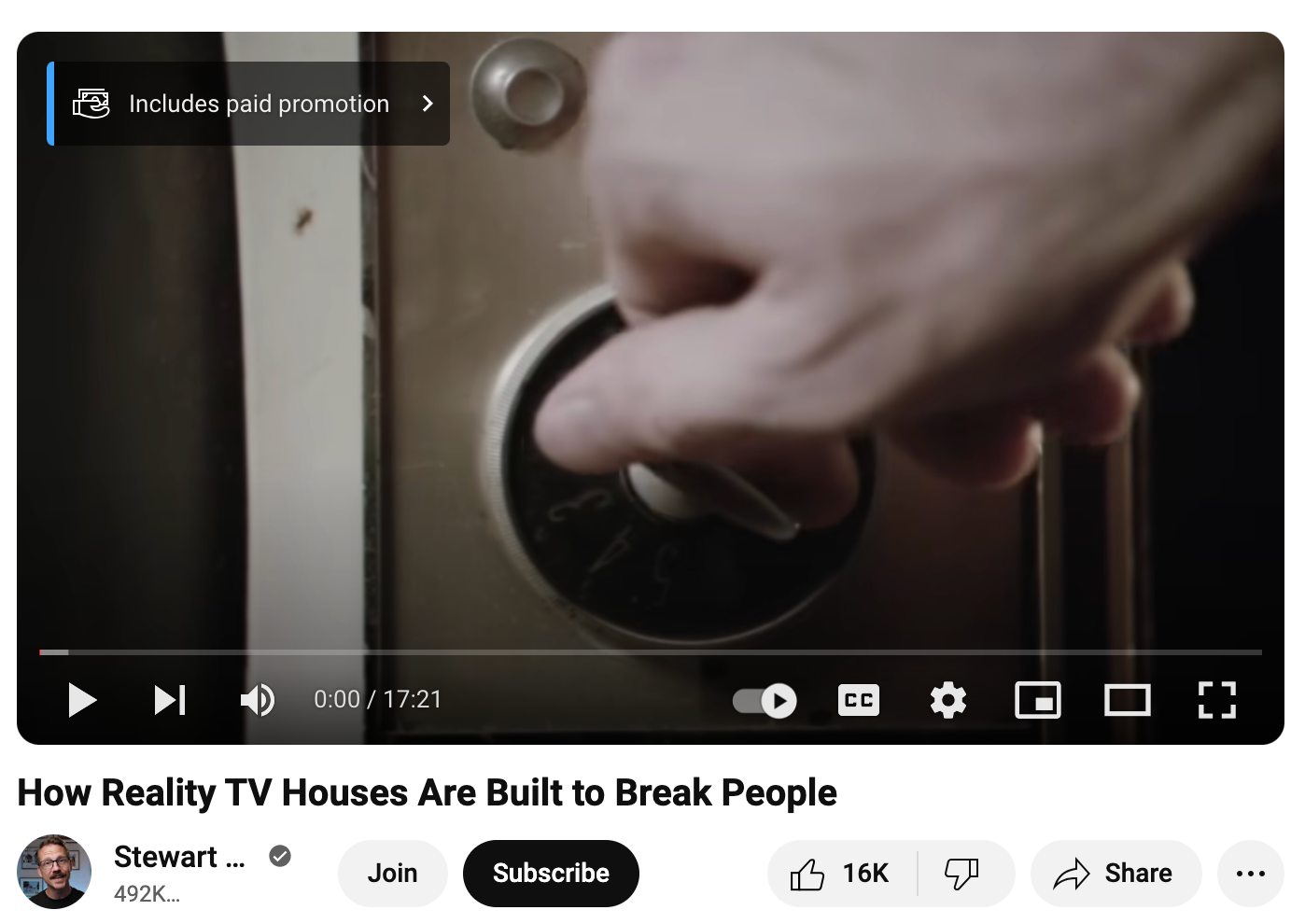
Simply adding #ad in the video description is insufficient. On YouTube, creators must disclose paid promotions, endorsements, or product placements within their videos. To comply, they must select the “paid promotion” checkbox in YouTube Studio’s video settings, which adds a disclosure that will appear in the initial 10 seconds of the video.
Disclosures should be clearly audible and visible in the video, included at the beginning. For longer videos, consider inserting another disclosure prior to the product endorsement to ensure the brand connection is clear throughout, even for viewers who may skip ahead.
X (formerly Twitter)
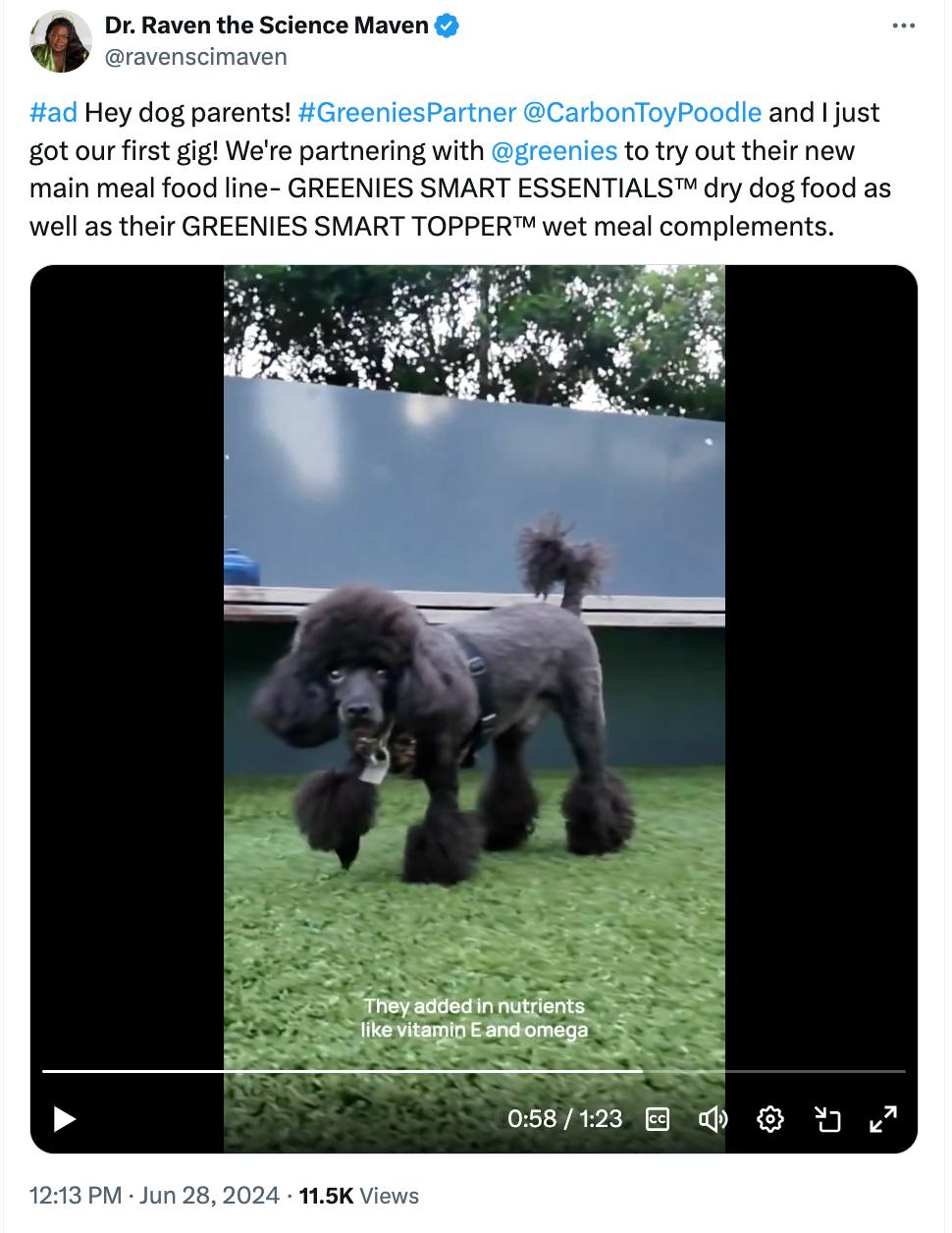
Per X’s paid partnerships policy, creators must disclose sponsored posts. The simplest method is to incorporate #ad directly into the post so followers quickly recognize it as branded content. With X’s character constraints, disclosures should remain concise, while avoiding ambiguous abbreviations.
The post should directly mention the product, service, or call-to-action without necessitating viewers to click links for further information. If space permits, consider including phrases such as “[Brand] Partner” or “[Brand] Ambassador” for added clarity in brand affiliation.
Incorporating FTC influencer guidelines into your social strategy
Conduct thorough research and assess potential influencers
Before partnering with influencers, confirm their values and style resonate with your brand’s ethos and audience. Review their previous content for consistency and look for any warning signs (such as missing brand partnership disclosures).
Sprout Social Influencer Marketing facilitates this process by providing detailed insights into influencer metrics, audience profiles, and engagement rates, enabling marketers to make informed decisions.
Establish clear standards regarding compliance
The FTC holds brands responsible for influencer compliance, so set precise guidelines from the outset. Include FTC compliance clauses in agreements and supply influencers with directives on disclosure requirements and acceptable content practices, such as the FTC’s Disclosures 101 for Social Media Influencers.
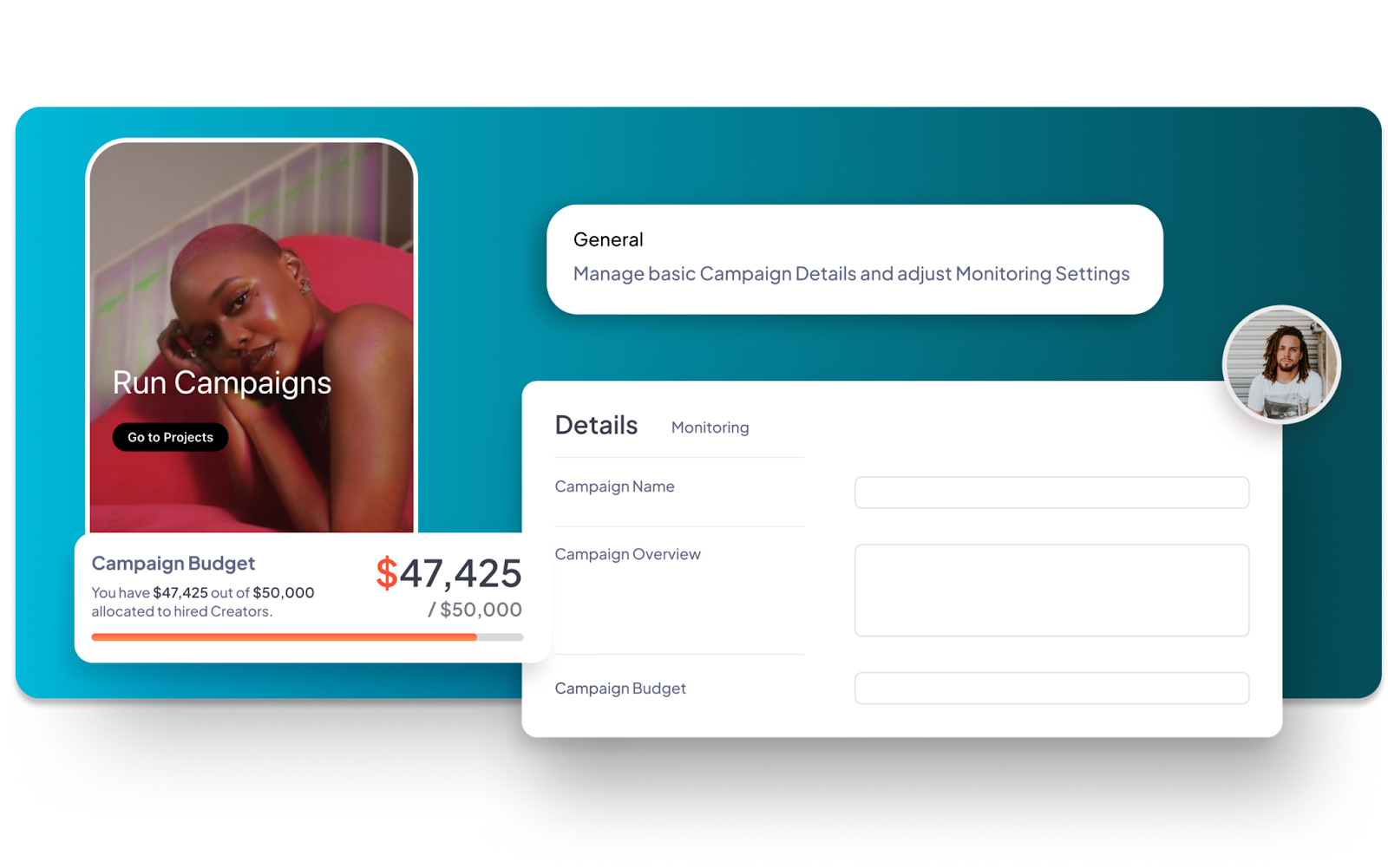
Sprout Social Influencer Marketing’s Creator and Collaborator portals facilitate the management of communication, feedback, and approvals in real time, ensuring all your influencer campaigns remain compliant and aligned with your brand.
Utilize pre-approval processes for time-sensitive content
With dynamic content such as Instagram Stories and TikTok LIVEs, instituting a pre-approval protocol can ensure everything remains legally compliant and on-brand without hindering content creation.
For instance, have influencers submit drafts of each Instagram Story slide with the necessary disclosure (#ad or “Sponsored by [Brand]”) ahead of time. If hosting a live stream, influencers could provide a brief outline of their talking points, indicating where brand disclosures will be mentioned (e.g., “This is a paid partnership” at the outset and every five minutes).
Adhere to best practices for various content formats
- Images and Static Posts: Ensure disclosures are clear and upfront. Do not obscure them among excessive hashtags. Utilize straightforward phrases like #ad at the caption’s beginning so viewers notice it right away. Additionally, consider adding a text overlay on the image directly alongside the caption disclosure, particularly on platforms where the visuals take precedence.
- Videos: Integrate audio and visible disclosures within the video, not solely in the description. This way, every viewer can readily identify the brand partnership—even if watching without sound. Repetition of disclosures ahead of brand mentions in lengthy videos allows all viewers to recognize the sponsored nature of the content, even those who skip through or do not complete the entire video.
- Live broadcasts: During live sessions, repeat the disclosure at intervals to update new viewers. This is especially essential for extended streams where audiences may enter and exit at various times. For segments with several product demonstrations, mention the disclosure at both the start and end of each showcase so that all participants understand the context.
Optimize your process with an influencer marketing platform
The future of influencer compliance begins here
What lies ahead for the future of influencer marketing? Only time will reveal the answer. As the landscape evolves, so too must consumer protections. The FTC’s objective is straightforward: to uphold integrity and transparency in advertising. Consequently, brands and marketers need to remain flexible and proactive. Implementing the right processes will help you navigate compliance as guidelines change.
This is why leveraging a dedicated influencer marketing platform like Sprout Social Influencer Marketing is invaluable. With Sprout, you gain access to tools that facilitate tracking disclosures, managing campaigns, and directly communicating with influencers within a streamlined interface.
Request a demo of our influencer marketing platform to discover how effortless it can be to manage compliant, successful influencer campaigns.
Disclaimer
The content in this article does not, nor is it intended to, serve as formal legal advice; all information, content, and materials are for general informational objectives and are subject to alterations. Information contained on this website may not represent the latest legal or other data. Adhering to any guidelines provided in this article does not ensure compliance or lessen your legal exposure. You should consult with your legal team or attorney for advice regarding any specific matter, including how to meet FTC requirements, and should refrain from acting based on any information in this article without seeking independent legal counsel. Utilizing or accessing this article or links or resources on this site does not establish an attorney-client relationship between you and Sprout Social or any contributors to www.sproutsocial.com. Any references to third-party websites are for general informational objectives only. Such websites are beyond our jurisdiction, and we bear no responsibility for any content or links present within. Sprout Social does not endorse or comment on the compliance or legality of any content or examples featured in this article. All liability for actions taken or not taken based on this article’s content is expressly disclaimed. More information about social media disclosures can be accessed at ftc.gov.
The article FTC influencer guidelines, explained: Tips for engaging influencers appeared first on Sprout Social.

Recent Comments