
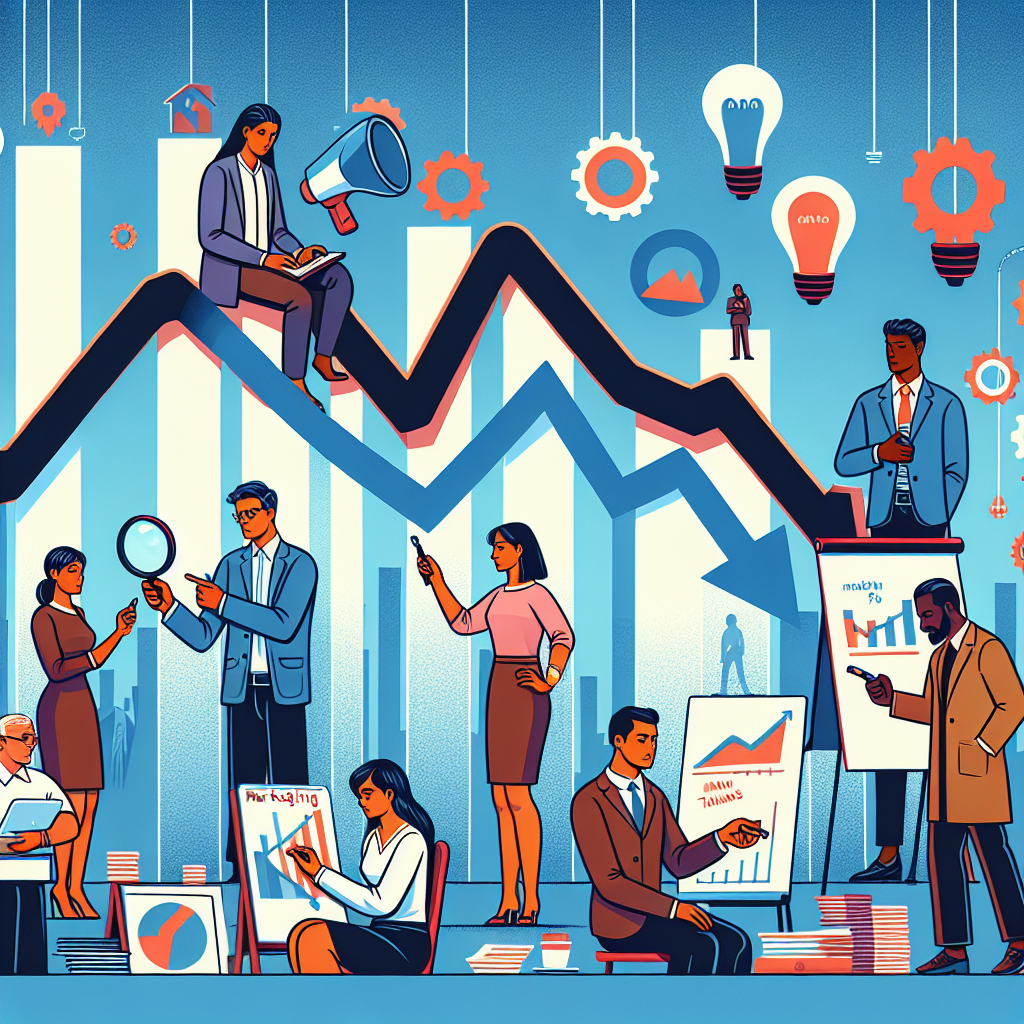

If you’ve been around the corporate world long enough, you might remember when “failing up” was the latest concept in corporate success. It describes the ability to rise above failure and move on, to share your experiences with others, understanding the point of failure, learning from it and moving on.
Like most corporate cliches, it came and went. Fortunately, it never became an acronym. But “failing up” came back to my mind recently involving a side business that a close friend and I invested in a year ago. (No, it is not my email agency!)
This month, we shuttered that business. It failed for many reasons. The entire experience was, well, an experience. We both learned a lot, but it didn’t help us keep the doors open. Now, we’re closing this chapter and moving on.
Although this business failure happened apart from my work in email, it also brings me back to what I’ve learned over 27 years of working in all aspects of our industry, from being a newcomer in digital marketing to leading an email agency today, surrounded by amazing people and doing work that helps companies achieve their goals.
When failure is an option
This whole experience of trying something new and having it fall flat is like so much of what happens in our work as marketers. We feel defeated when it seems we can’t get a leg up on our challenges. We stick with easy, safe projects instead of risking the unknown to try new things.
That’s the wrong approach. Risk is part of life. You have to take risks regularly to keep learning, push the boundaries of what you know, test what you don’t know and grow as a result.
Now that we’re knee-deep in 2025 and trying to navigate another year and challenges ranging from the mundane to the insane, avoiding risk seems more attractive than ever. But that opens us up to another risk — stagnating or even falling farther behind because of our fear of failure.
Let’s think instead about failure as something we have to accomplish and not avoid. Here are three ways to approach failure. Each one reminds us that failing can make us stronger, better and smarter.
1. Testing
When our agency talks with potential and new clients and we bring up the subject of testing, we often hear the same thing over and over:
“We tested that once and it didn’t work.”
Oh, man. If I gave up every time an email test didn’t work, I’d be unemployed permanently.
Here’s the thing about testing: Tests are designed to fail sometimes — to help you discover what works and what doesn’t. The hypothesis you’re trying to prove is either “yes” or “no.” When you run a test and it appears to fail, the failure isn’t isolated to that one test.
If a test fails, run it again. Try to see if you can replicate the failure. This ensures that your result isn’t a fluke. Then evolve it based on what you learned.
When you set up a test, you must incorporate the failures and successes to ensure your results are valid. Testing just once isn’t enough.
But that’s one reason people shy away from testing: They don’t want to fail. It might not be just their own fear of failure. Maybe the boss doesn’t like failure, either, and one failed test could mean the end of trying new things.
Whatever the reason, we hesitate to invest time, energy and souls in something new because we think we’ve wasted all those resources. But if we’re good marketers, those failures can teach us the direction we need to follow, to a destination we never could have reached if we didn’t risk everything, including failure and try.
Yes, testing has many downsides. But it has twice as many upsides. When I talk about testing, I’m not saying you should limit yourself to testing easy things like the subject line. Your subject line is just one component of your email message, and your message is one component of your campaign.
Embrace your testing failures along with your winners. Every test I’ve done has had many failures, but I learned from them and made them into successes.
Dig deeper: Why testing is a marketer’s most powerful tool
2. Change
Organizational change is a risk, whether it means a shakeup in team structure and management or the introduction of new technology and processes that disrupt the established flow of business.
We see this every day in our agency because we help companies manage the migration process from one ESP to another. These moves are already risky for companies because they involve key business platforms. The more we depend on data, the more entangled our systems become because they work across different systems, vendors, processes and queries.
A platform migration is a risk. Big change inside an organization is a risk to your job, revenue and organizational stability. But change has to be part of your business regimen. You can’t avoid change and its accompanying chance of failure because when you do, you become stale. You’re stuck in the quagmire of past practices.
As I mentioned above, testing is entrenched in the need for change. Change can bring failure, but you’re doing it for the potential of large success. You can mitigate the chance of failure by thinking through the process like a chess master, evaluating each move, anticipating what could go wrong, and developing plans to mitigate or protect yourself from that failure.
You can bring people in to help you manage that change, to create an atmosphere of team effort and group consensus and buy-in and manage up.
Yes, you could fail. But then you get up and assess what you learned, make changes and try it again now that you’re smarter.
Dig deeper: How to survive (and learn from) email marketing mistakes
3. Career
Over the years, I’ve left jobs, lost jobs and even been downsized. Sometimes, it was out of my control. Other times, I was not smart about office politics. Whenever I left a company or got let go, I seriously reflected on why it happened. What was my fault? What could I have done differently?
It’s easy to blame the company when they show us the door. Sometimes, it’s the company’s fault, and sometimes, it’s ours.
Sometimes, failure is an option, and it happens in every part of our lives. Careers are no different. Some people move from one company to another and make the same mistakes over and over because they didn’t take the time to understand the control they have in changing those outcomes.
Don’t let fear of failure dominate your career path. Build on it with every experience. If you’re in a position where you don’t feel appreciated or fulfilled, if slogging through the day makes you miserable, then look for change. But take ownership of your role in it.
Dig deeper: The surprising truth about how to achieve your marketing goals
Wrapping up
Yes, losing a business is devastating, even if it’s a side hustle you take on in your off hours to help you save up for a comfortable retirement. When our business closed, I had to say goodbye to some talented people. I wish we could have found another way to solve the problems, but failure is a cold, hard fact of business. Sometimes, things just don’t work out.
I learned a lot from this failure through self-reflection, which I didn’t do earlier when I was younger and dumber. But along the way, as I gained experience, I learned that you have to look inward, whether you’re doing A/B split or multivariate testing on an email campaign, adding new technology, replacing systems or moving from one job to another. That self-reflection — and overcoming the fear of failure — can shape every aspect of your experience.
If you know things need to change, whether you must prove to your boss that a new initiative will pay off or find a new job, you face the risk of failing. But don’t let that stop you from trying something new. Be smart. Plan your moves. Create a contingency plan if something fails. Look for lessons from both your successes and failures.
I remember an incident from my work for an ESP when I messed up so big it got my CEO’s attention. He called me on the carpet about it.
“That was a big mistake,” he said. I thought his next words would be, “You’re outta here, pal!” Instead, he said, “What did you learn?”
I told him. He replied, “I don’t care that you failed. Just don’t do it again.” And I never did.
Anybody want a cup of coffee?
The post Why marketing success requires failure (and how to handle it) appeared first on MarTech.
# The Role of Failure in Marketing Success and Strategies for Managing It
Failure is often seen as a setback, but in the world of marketing, it can be a powerful tool for growth and innovation. Many of the most successful marketing campaigns and strategies have emerged from lessons learned through failure. Understanding the role of failure in marketing success and developing strategies to manage it effectively can help businesses refine their approaches, improve customer engagement, and drive long-term success.
## **The Role of Failure in Marketing Success**
### **1. Failure as a Learning Opportunity**
Marketing is an experimental field where businesses test different strategies to see what resonates with their audience. When a campaign fails, it provides valuable insights into what doesn’t work, allowing marketers to refine their approach. By analyzing failures, businesses can identify weaknesses in their messaging, targeting, or execution and make necessary adjustments.
### **2. Encouraging Innovation and Creativity**
Some of the most groundbreaking marketing campaigns have come from companies willing to take risks. However, risk-taking inherently involves the possibility of failure. When businesses embrace failure as part of the creative process, they foster an environment where innovation thrives. This mindset encourages marketers to think outside the box and develop unique campaigns that stand out in a crowded marketplace.
### **3. Strengthening Customer Relationships**
Failure in marketing can sometimes lead to stronger customer relationships. When a company acknowledges its mistakes and takes steps to correct them, it demonstrates transparency and accountability. Customers appreciate brands that are honest and willing to improve, which can enhance trust and loyalty in the long run.
### **4. Refining Targeting and Messaging**
Not every marketing campaign will resonate with its intended audience. Failure helps businesses understand their customers better by highlighting mismatches in messaging, tone, or delivery. By analyzing failed campaigns, marketers can fine-tune their targeting strategies to ensure they reach the right audience with the right message.
## **Strategies for Managing Marketing Failure**
### **1. Adopt a Growth Mindset**
A growth mindset encourages marketers to view failure as an opportunity for improvement rather than a defeat. Instead of focusing on the negative aspects of a failed campaign, businesses should analyze what went wrong and use those insights to refine future strategies.
### **2. Conduct Post-Mortem Analyses**
After a failed campaign, conducting a thorough post-mortem analysis can help identify the reasons behind its shortcomings. Key questions to consider include:
– What were the campaign’s objectives, and were they realistic?
– Did the campaign reach the intended audience?
– Were there any executional errors?
– How did customers respond, and what feedback did they provide?
By answering these questions, businesses can gain a clearer understanding of what needs to be improved.
### **3. Test and Iterate Before Full-Scale Launch**
One way to minimize the impact of failure is to test marketing strategies on a smaller scale before committing to a full-scale launch. A/B testing, focus groups, and pilot campaigns can provide valuable insights into what works and what doesn’t, allowing marketers to make adjustments before investing heavily in a campaign.
### **4. Stay Agile and Adapt Quickly**
Marketing trends and consumer preferences change rapidly. Businesses that remain agile and adaptable can quickly pivot when a campaign isn’t performing as expected. By monitoring key performance indicators (KPIs) in real time, marketers can make data-driven decisions to adjust their strategies and improve outcomes.
### **5. Learn from Competitor Failures**
Businesses don’t have to experience failure firsthand to learn from it. Observing competitors’ failed marketing campaigns can provide valuable lessons on what to avoid. Analyzing industry case studies and staying informed about marketing trends can help businesses make more informed decisions.
### **6. Maintain Transparency with Customers**
If a marketing campaign fails publicly, addressing the issue with honesty and transparency can help maintain customer trust. Acknowledging mistakes, apologizing when necessary, and outlining steps for improvement can turn a failure into an opportunity to strengthen brand credibility.
### **7. Foster a Culture of Experimentation**
Encouraging a culture where failure is accepted as part of the learning process can lead to greater innovation. When employees feel safe to take risks without fear of harsh consequences, they are more likely to develop creative and effective marketing strategies.
## **Conclusion**
Failure is an inevitable part of marketing, but it doesn’t have to be a roadblock to success. By embracing failure as a learning opportunity, businesses can refine their strategies, foster innovation, and build stronger customer relationships. Implementing effective failure management strategies—such as conducting post-mortem analyses, testing campaigns before full-scale launches, and staying agile—can help businesses turn setbacks into stepping stones for future success. In the ever-evolving marketing landscape, those who learn from failure and adapt accordingly are the ones who achieve long-term growth and impact.

Recent Comments